tree day
Guide
Recycling symbols explained?
The chasing-arrows triangle on plastic identifies the resin type, not a guarantee that a local program accepts the item. Read labels as clues, then check the provider’s rules for that specific packaging.
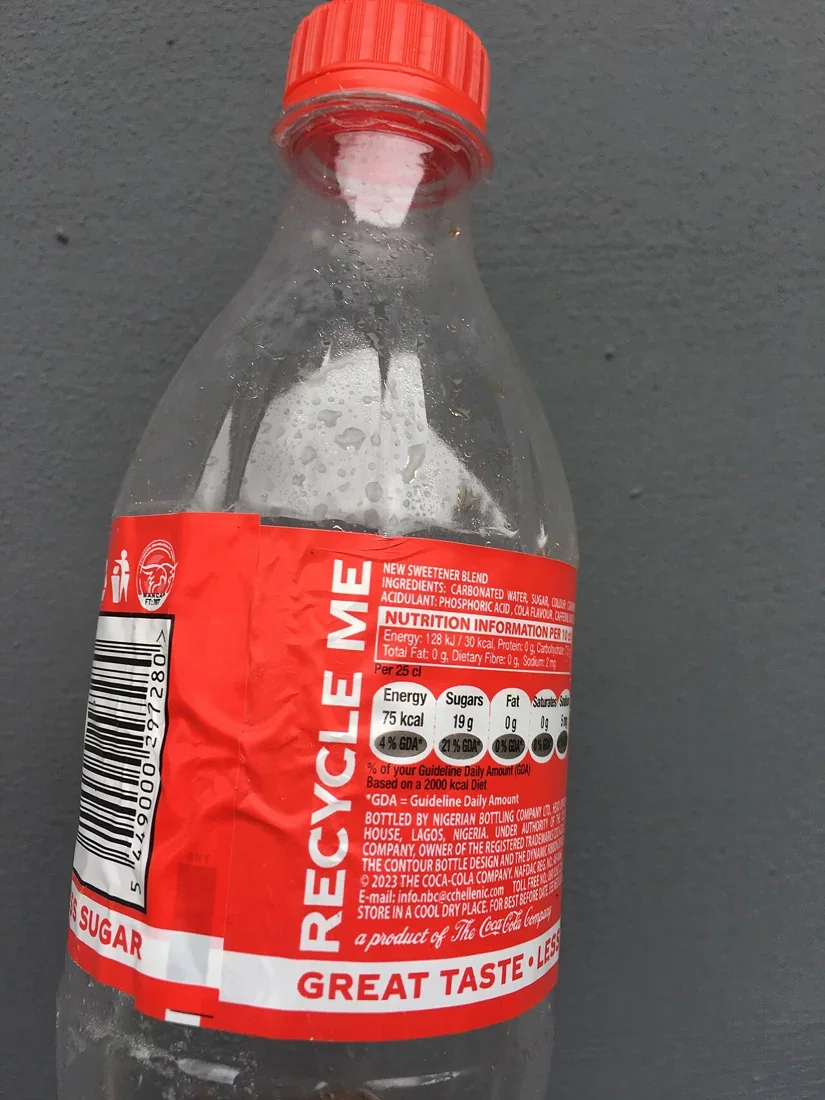
The small triangle on the bottom of a plastic container can look like a clear instruction to recycle, but it is not a curbside promise. In the United States, that symbol commonly identifies the type of plastic resin used to make the container. Whether a local program collects it depends on the item and the system available nearby. The label is a clue; the local collection guide is the decision rule.
What the number tells you
A resin identification code places a number inside a triangular chasing-arrows design on many plastic products. The number identifies a category of plastic resin. That information can help a recycling program or processor distinguish materials, but it does not tell you whether the product is accepted in your community’s bin. EPA explicitly cautions that the triangle resembles the recycling symbol but does not necessarily mean the container is collected locally. [1]
This distinction matters because “plastic” covers materials with different properties, shapes, colors, labels, and market value. A program might accept a particular bottle shape but reject a container made from another resin, even if both display a number. Some collection rules are based on what local sorting equipment can identify and what processors will take. So the number answers “what kind of plastic is this?”; it does not answer “where should I put it?”
Read the whole package, not one mark
Packaging may carry several symbols or claims: resin identification, a recycling instruction, compostability information, or a brand-specific take-back label. These marks have different meanings. A manufacturer’s claim may describe a possible recycling route somewhere, while your local curbside program may not offer that route. A compostable label likewise does not mean the item belongs in plastic recycling; EPA warns that compostable plastics can disrupt recycling when mixed with conventional plastics. [1]
Shape and material combination also matter. A bottle, a flexible film pouch, a foam tray, and a takeout cup can behave differently in collection and sorting even if they look related. A cap may be accepted with a bottle in one program; elsewhere instructions could differ. The useful habit is to use product symbols to identify or investigate the material, then confirm the exact package type against the local provider’s accepted list.
A practical example at the sink
Imagine a household rinsing a yogurt tub whose bottom shows a number in a triangle. The number helps identify the resin category. The household still needs to check whether the local program accepts that type of tub, whether the lid belongs with it, and whether the container should be emptied or rinsed. If the local guide lists bottles but not tubs, the triangle does not override the guide. If the guide accepts tubs of that material, follow its preparation directions.
This is also why “recyclable” can be a technically true but incomplete package claim. The material may be recyclable under some collection or processing conditions, yet those conditions may not exist nearby. EPA’s common-recyclables guide recommends checking local rules for plastics and other materials because programs differ. [1] Treat a symbol as a prompt to verify, not as a final sorting instruction.
When symbols point to another route
Some products need a dedicated drop-off rather than the household cart. Batteries and electronics, for example, should generally go through special collection channels, according to EPA guidance. [1] Plastic bags and films may have retail collection options but should not be put in household recycling bins under the EPA’s general guidance. [1] These examples show why recognizing a symbol is only part of the job: the right destination may depend on the object’s function, size, and material.
A common mistake is to sort by the triangle alone or assume that a package’s environmental icon guarantees a local route. Instead, identify the item, check your waste provider’s current directions, and look for a special collection if the item is excluded from curbside service. Save the relevant local guide where you sort waste. When a package’s mark and the guide seem to conflict, ask the provider which instruction applies to that exact item.
Follow the evidence
Primary sources used in this story. Practical examples are illustrative unless a source states otherwise.
Read our editorial standards. Have a correction? Identify the article and relevant source in your feedback to the site owner.