tree day
Guide
What can be recycled?
Paper, cardboard, metal cans, glass containers, and some plastic containers are commonly recyclable, but acceptance depends on the local program. Batteries, electronics, food scraps, and hazardous products need different routes.
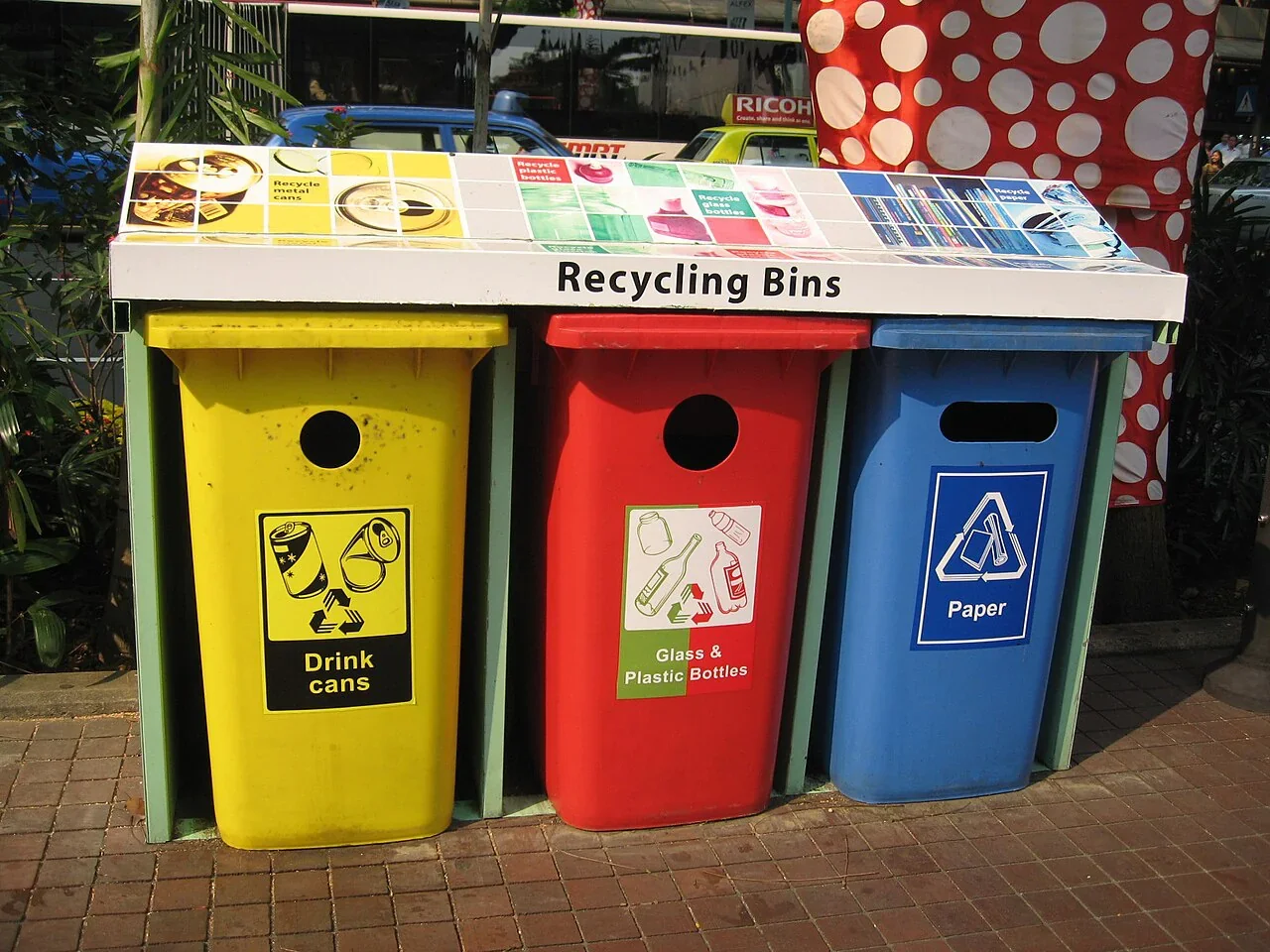
A familiar container is not automatically recyclable in the bin at your curb. Paper, cardboard, metal cans, glass bottles, and some plastic containers are common candidates, but local programs set the accepted materials and preparation rules. The safest habit is to sort by material, check your local list, and keep items that need special handling out of ordinary recycling.
Start with the local list
Recycling depends on collection and processing infrastructure. A community may accept a material if it has a way to collect, sort, and send it to a suitable processor; another community may not. The U.S. EPA’s guide to common recyclables repeatedly advises checking local rules because programs differ, including for paper, plastics, glass, aluminum, and metal. [1] That means a general guide is a starting point, not a promise about what belongs in your own cart.
Look for your city, county, waste hauler, or recycling provider’s current list. Check the exact item and its condition: “plastic” is not one material, and a rigid bottle may be treated differently from a film bag or foam tray. When the instructions are unclear, use the provider’s contact channel instead of guessing. A wrong item can complicate sorting or contaminate a load, while a special collection may exist for something that cannot go curbside.
Everyday paper, containers, and metal
Many programs collect paper and cardboard, including newspapers and boxes, but details vary. EPA says cardboard boxes should be flattened, and food scraps should be removed from pizza boxes; it also notes that pizza boxes with grease can still be recyclable. [1] Paper takeout containers depend on how much food residue remains. A clean-enough container is one without substantial food contamination, but local instructions should settle doubtful cases.
Glass food and beverage containers, aluminum cans and foil, and some metal items may be recyclable where accepted. Broken glass should not go in the recycling bin under EPA’s general guidance because it can injure workers and damage equipment. [1] Metal caps may need to be separated from glass bottles. Plastic bottles and caps can often be left together, but cups, tubs, utensils, bags, and foam have different rules. Don’t infer acceptance from the chasing-arrow triangle on a plastic item; that symbol identifies resin type, not local collection.
Special streams matter
Batteries, electronics, household chemicals, and many light bulbs should not be tossed into routine household recycling. EPA says batteries, including common rechargeable types, generally need special handling and should go to designated collection points; electronics also are not curbside recyclables and may be accepted at specific drop-off sites. [1] Check the local household hazardous waste program or retailer take-back options for products such as paint, pesticides, or solvent. Keep these items separate until you know the correct route.
Plastic bags and films are another common mismatch: EPA notes that they may be recyclable through retail or other collection points but do not belong in the household recycling bin. [1] Compostable plastic also should not be mixed into ordinary plastic recycling; it needs a composting program that specifically accepts it. Food itself is not recycled as packaging, though a local compost collection or home composting system may accept food scraps. EPA recommends reducing food waste and composting where feasible. [2]
A quick decision routine
For each item, ask three questions: What material is it? Is it clean and empty enough for the local program? Does the provider list this exact form as accepted? If any answer is uncertain, keep it out of the recycling cart until you can check. This pause is especially useful for mixed-material packaging, small pieces, plastic film, and items with food or liquid left inside.
A common mistake is putting an item in the bin because it looks recyclable or carries a familiar symbol. Another is sending a battery or electronics item through ordinary collection because it contains valuable materials. Recycling works best when the object reaches a system built to handle it. Your next action can be simple: save the local program’s accepted-items page or printed guide, and use it the next time an unfamiliar item is ready to go.
Follow the evidence
Primary sources used in this story. Practical examples are illustrative unless a source states otherwise.
Read our editorial standards. Have a correction? Identify the article and relevant source in your feedback to the site owner.