tree day
Guide
What is wishcycling?
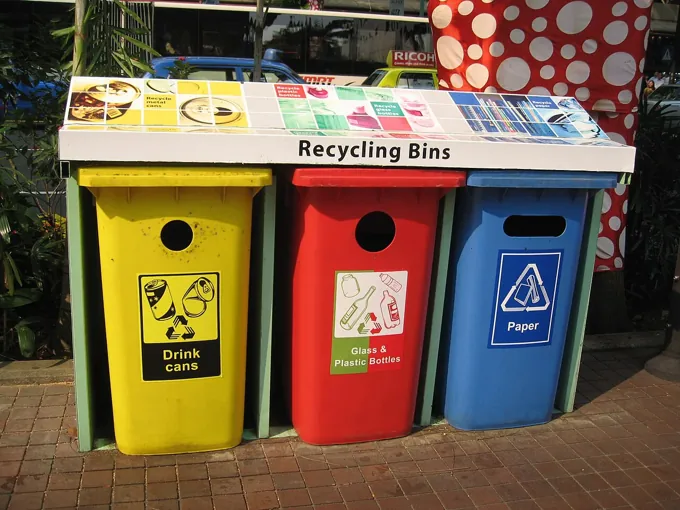
Wishcycling is putting an item in the recycling bin because you hope it belongs there. Learn why that guess can cause trouble and how to check uncertain items without abandoning recycling.

Wishcycling is the hopeful guess that an item belongs in the recycling bin, even when you are unsure whether the local program accepts it. A takeout cup, plastic wrapper or broken glass may look recyclable, but appearance alone does not decide where it goes. The useful habit is to check the material and local rules before sorting. That small pause helps keep recycling streams usable and gives you a better answer for next time.
Why a good intention can make a mess
Recycling depends on materials being collected and sorted in ways a particular program can handle. If an unaccepted item goes into a mixed bin, it may be removed during sorting or interfere with other materials. The exact consequences vary by facility, but the central problem is simple: a recycling symbol or an item’s familiar shape does not prove that it can be processed locally. The U.S. EPA advises checking community guidance, including for plastics and paper products. [1]
Wishcycling often happens because the choice feels virtuous and the bin is nearby. A person might drop a plastic utensil into a recycling cart along with a food container, assuming both are the same kind of plastic. EPA guidance says plastic utensils cannot be recycled through the programs it describes, while containers depend on the plastic type and local acceptance. Treating similar-looking objects as equivalent is the mistake. [1]
Use a short check before tossing
Start with the local recycling provider’s accepted-items list. Look up the item’s form and material, not just the general word on its label: plastic film, a rigid tub, a glass jar and a paperboard carton may have different routes. When guidance is unclear, contact the provider or use its lookup tool if available. EPA notes that local programs may differ from its general information. [1]
Then check whether the item is clean enough for that program. Food residue can make some paper and plastic containers unsuitable; EPA recommends scraping or rinsing accepted containers so they are “spatula-clean.” That does not mean every dirty item becomes recyclable after washing: first confirm that the material is accepted. [1]
A practical example: the lunch cleanup
Imagine clearing a lunch table with a paperboard box, a plastic cup, a fork and a napkin. The box may qualify if food scraps are removed and the local program accepts that kind of paperboard. The cup needs a check for its material and local rules. EPA says plastic cups depend on their type and local acceptance; plastic utensils are not recyclable according to its guidance. The napkin’s route also needs local confirmation rather than a guess based on its paper content. [1]
A simple sorting routine makes the decision easier: scrape food into the appropriate waste or compost route, set aside items you have confirmed are accepted, and check the uncertain ones before placing them in a bin. If there is no clear answer, follow the local program’s disposal guidance. This avoids turning uncertainty into contamination and helps you learn the rules for commonly used items.
What the recycling symbol can—and cannot—tell you
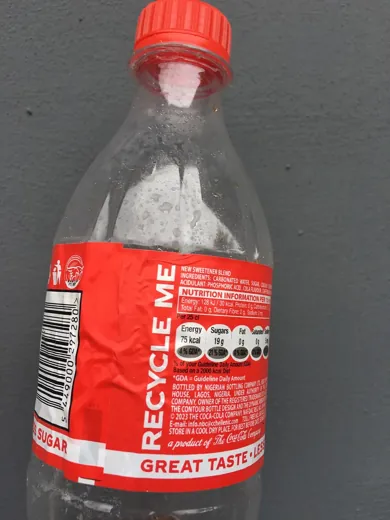
A resin identification number on a plastic container identifies the type of plastic used to make it. It can help when you are comparing that item with a local accepted-materials list. It does not, by itself, mean curbside collection is available. EPA makes that distinction explicitly. [1]
The same principle applies beyond plastics. A material can be technically recoverable yet not be collected in your community. Recycling markets, collection methods and sorting equipment differ. When you are deciding between two products, checking local acceptance is more useful than relying on a broad claim on packaging. For a wider purchase decision, consider whether you need the item at all and whether it can be reused; EPA’s purchasing guidance recommends considering reduction and reuse alongside end-of-life management. [2]
A better habit for repeat offenders
Keep a short note on your phone or near the bins for items that regularly cause doubt: film, cups, cartons, lids or small metal pieces. Add answers from your local provider, and update the list if collection instructions change. For unusual items, look up the specific material rather than assuming it behaves like a familiar package. EPA lists drop-off options for some materials, such as plastic bags and film, that should not go in household recycling bins. [1]
The trade-off is that a quick check takes a little longer than tossing everything together. But one useful lookup can prevent repeated guessing, and it may reveal a separate drop-off route. Start with the item you most often hesitate over, confirm the local rule, and use that answer the next time it appears.
Follow the evidence
Primary sources used in this story. Practical examples are illustrative unless a source states otherwise.
- US EPA: How do I recycle common recyclables? ↗
- US EPA: Institutional purchasers of greener products and services ↗
Read our editorial standards. Have a correction? Identify the article and relevant source in your feedback to the site owner.