tree day
Guide
What is a circular economy?
A circular economy aims to keep products and materials useful for longer through prevention, repair, reuse, and recovery. Here is what that means in ordinary household choices and where the idea has limits.
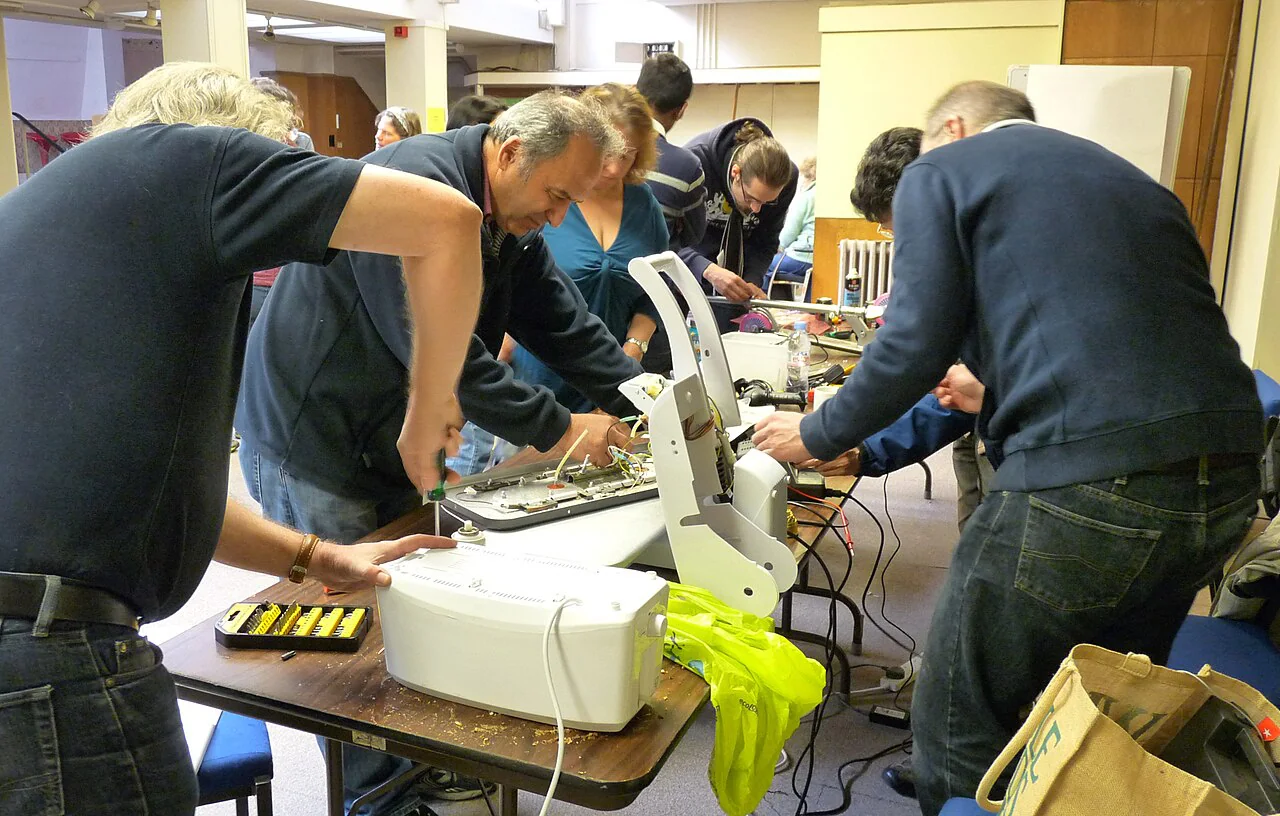
A circular economy is an approach to making and using things that tries to prevent waste and keep products and materials in circulation. In everyday terms, it favors buying only what is needed, using items longer, repairing them when practical, and recovering materials when reuse is no longer possible. It is a useful way to think about decisions, though the label alone does not tell you whether a particular product is a good choice.
Follow the material through its life
A product begins before it reaches a shop. Materials are extracted or grown, parts are made, the item is packaged and transported, and someone uses it. Eventually it may be repaired, passed to another user, recycled, or discarded. The EPA describes these stages as part of a product's life cycle and advises purchasers to consider impacts such as resource use, pollution, waste disposal, and ecosystem damage [1].
The circular approach looks for ways to reduce the need for new inputs at each stage. A chair that can be repaired and used for another decade avoids an immediate replacement. A tool borrowed for one afternoon does not need to become a rarely used household purchase. Packaging that is unnecessary can be avoided before anyone has to sort it. These choices do not erase all impacts, but they can reduce demand for new materials and the burden of disposal.
The order of choices matters
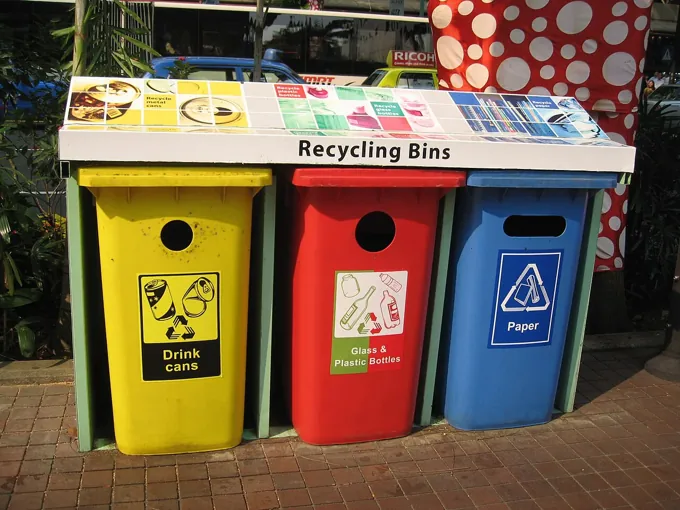
The familiar phrase reduce, reuse, recycle can help because recycling is only one part of the picture. Reducing means preventing an unnecessary purchase or avoiding avoidable waste. Reuse means keeping an item in service, perhaps through donation, resale, refill, or a second household. Recycling processes material so it can become feedstock for another product, if the material is collected and accepted by a suitable system.
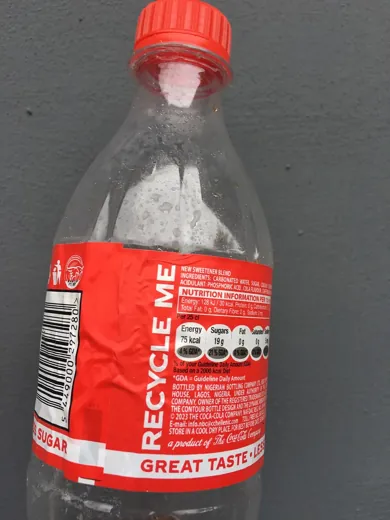
Recycling is useful, but it does not make every product circular. The EPA notes that local programs accept different materials and that resin identification symbols do not necessarily mean a plastic item is recyclable in a community [2]. A material may be technically recyclable yet have no convenient collection route nearby. That is why preventing waste and extending use can be more reliable first moves than assuming a recycling label will solve the end-of-life problem.
A kitchen routine as a concrete example
Imagine a household that regularly throws away wilted greens and buys duplicate pantry items. A circular response does not begin with a new bin. The household can check its refrigerator and pantry before shopping, plan meals around what should be used soon, and buy quantities that match likely meals. EPA recommends meal planning, shopping with a list, storing food appropriately, and using leftovers to prevent wasted food [3].
If a small amount of edible produce remains, it might be used in soup or another meal, provided it is still safe and suitable. If food scraps cannot be prevented, composting may divert them from trash where a household has an accepted method. The steps have different roles: planning prevents waste, using leftovers extends the value of food already purchased, and composting handles scraps that remain. The same thinking applies beyond food: borrow a rarely needed item, maintain a frequently used one, and check local guidance for materials that cannot be reused.
Watch for burden shifting
A product can solve one problem while worsening another. The EPA cautions that choosing a bio-based product may reduce fossil fuel inputs but can have other impacts, such as effects on water or soil from growing and harvesting feedstocks [1]. Similarly, a package marketed as compostable may not fit a local collection system, and a new reusable item only helps if it actually replaces repeated disposables. Circularity is a question about the full chain, not a synonym for “natural” or “recyclable.”
Claims deserve scrutiny. Look for information about what the product is made from, how long it is meant to last, whether repair is possible, and which verified standard or ecolabel supports any environmental claim. EPA suggests that labels should address relevant impact areas and be backed by respected standards or third-party verification [1]. A broad green claim without details is less useful than specific, checkable information.
Use the idea as a practical filter
For a household decision, ask four questions: Do I need this item? Can I borrow, share, or buy it used? Can it be maintained or repaired? If it becomes unusable, is there a credible local reuse or recovery route? The answers will differ for a refrigerator, a takeout container, and a winter coat. Circular economy thinking does not require every possession to have a perfect afterlife; it encourages attention to the avoidable steps before disposal.
A realistic next move is to choose one recurring waste stream and trace it backward. If food is often discarded, adjust shopping and storage. If a cupboard fills with rarely used gear, consider borrowing or lending. If packaging is the frustration, seek a refill or lower-packaging option only when it fits local availability and household needs. Start with the purchase or routine that creates the most needless waste for you, then change that one decision.
Follow the evidence
Primary sources used in this story. Practical examples are illustrative unless a source states otherwise.
- US EPA: Institutional purchasers of greener products and services ↗
- US EPA: How do I recycle common recyclables? ↗
- US EPA: Preventing wasted food at home ↗
Read our editorial standards. Have a correction? Identify the article and relevant source in your feedback to the site owner.