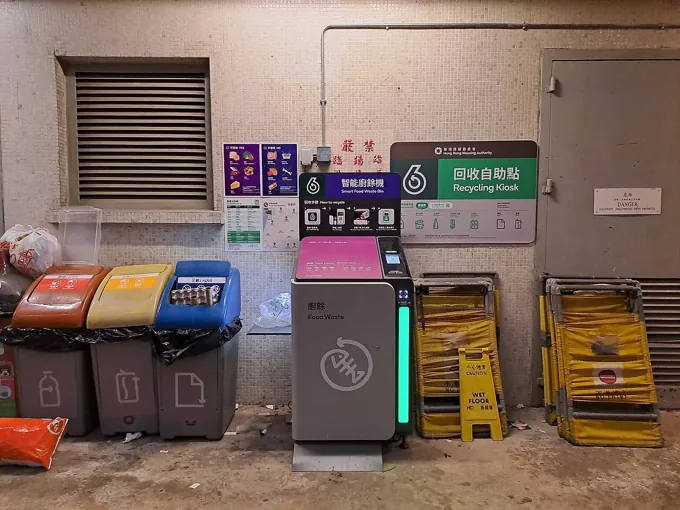
Recycling rules differ because communities have different collection systems, sorting equipment, processors, and markets. A material’s theoretical recyclability does not guarantee a local route, so residents need the current instructions for their provider.
A food waste audit is a short, structured record of what food a household discards, how much and why. It turns a vague sense of waste into a practical picture that can guide changes in shopping, storage and meal routines.
A broken appliance is not automatically destined for the curb. Compare the likely repair, remaining useful life, energy and material impacts, and safe end-of-life options before deciding.
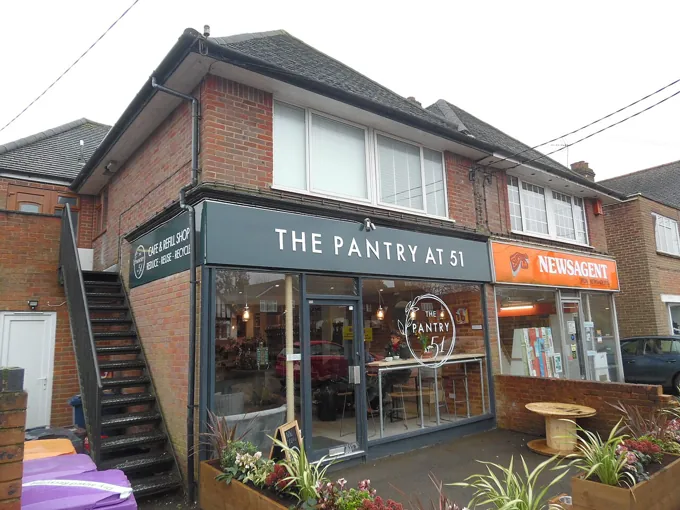
Refill shops let you buy measured amounts of goods into reusable containers, which can cut packaging and make quantities easier to control. Here is how the system works and how to decide whether a refill trip suits your routine.
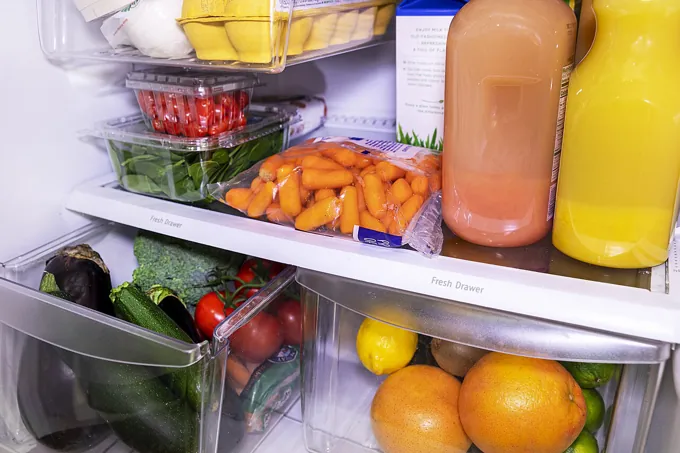
Vegetables last longer when storage matches their needs for temperature, humidity, light and airflow. Use the refrigerator’s drawers and a cool, dry pantry thoughtfully, while checking guidance for the particular vegetable and your home conditions.
A lower-waste kitchen begins with the food and packaging already moving through your home. Start by noticing what gets discarded, then change one repeatable habit in shopping, storage or cooking rather than replacing everything at once.
Plan meals around the food you already own, the number of meals you will eat at home, and quantities you can finish. A flexible plan that includes a use-first meal and realistic leftovers can reduce waste without requiring a rigid weekly menu.
A successful swap event sets clear item rules, limits how much each person brings, and gives leftovers a planned destination. Start with the audience and venue, then design a fair flow that leaves people with useful goods rather than another pile to sort.
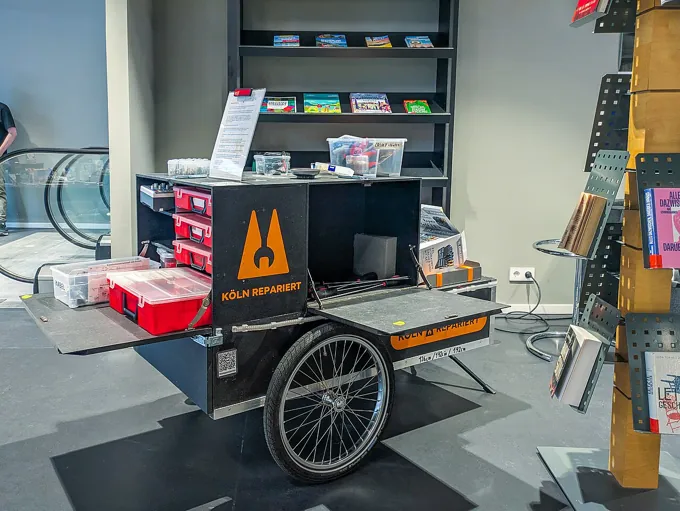
A repair café works best as a small, clearly scoped event where visitors and volunteer repairers assess items together, share skills and decide when a repair is unsafe or impractical. Plan intake, tools, safety boundaries and the next step for unrepairable goods.
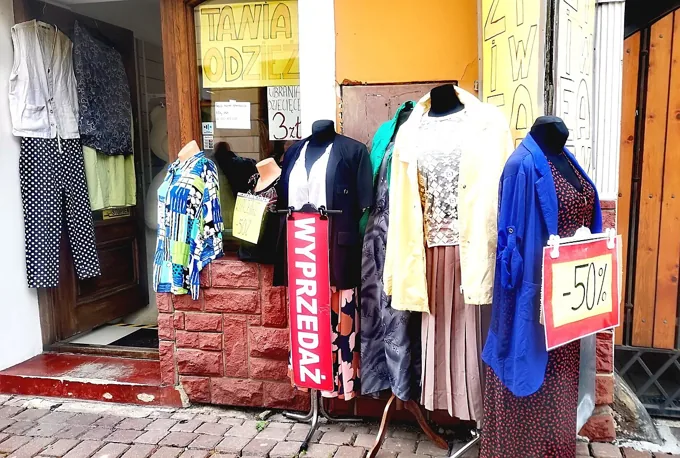
Second-hand buying is most useful when it replaces a new purchase you needed, suits your real use and lasts long enough to avoid another replacement. Check fit, condition, repair needs and transport before you commit.
Date phrases on food packages can describe quality, stock rotation or intended use, and they do not all mean the same thing. Learn what the common wording suggests, then use current food safety guidance for decisions about whether a particular food is safe.
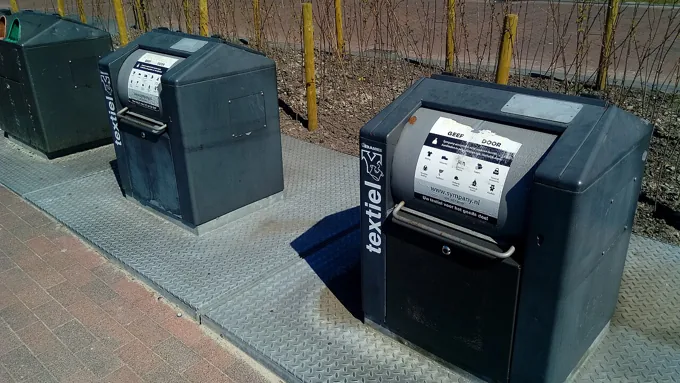
Choose donation for wearable clothing that someone can use; reserve textile recycling for worn, damaged or otherwise unusable items when a local program accepts them. A quick condition check and a call ahead can prevent unusable donations.
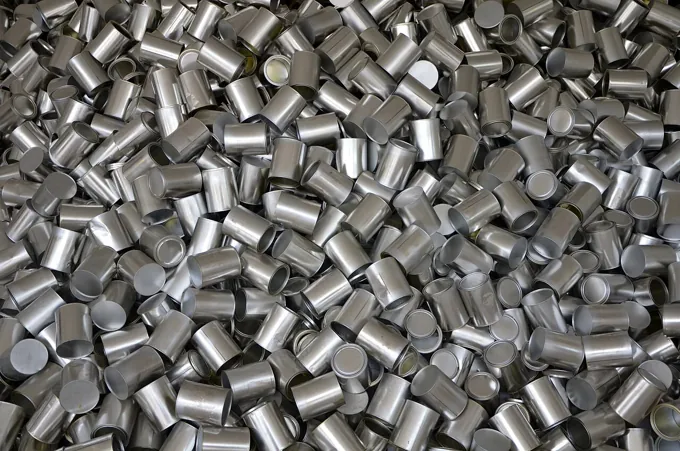
Both aluminium and steel cans can enter metal recycling, but local collection rules decide the route. Learn how to identify the common can types, prepare them and avoid assuming every metal item is accepted curbside.
 tree day