tree day
Guide
How to buy second hand responsibly?
Second-hand buying is most useful when it replaces a new purchase you needed, suits your real use and lasts long enough to avoid another replacement. Check fit, condition, repair needs and transport before you commit.
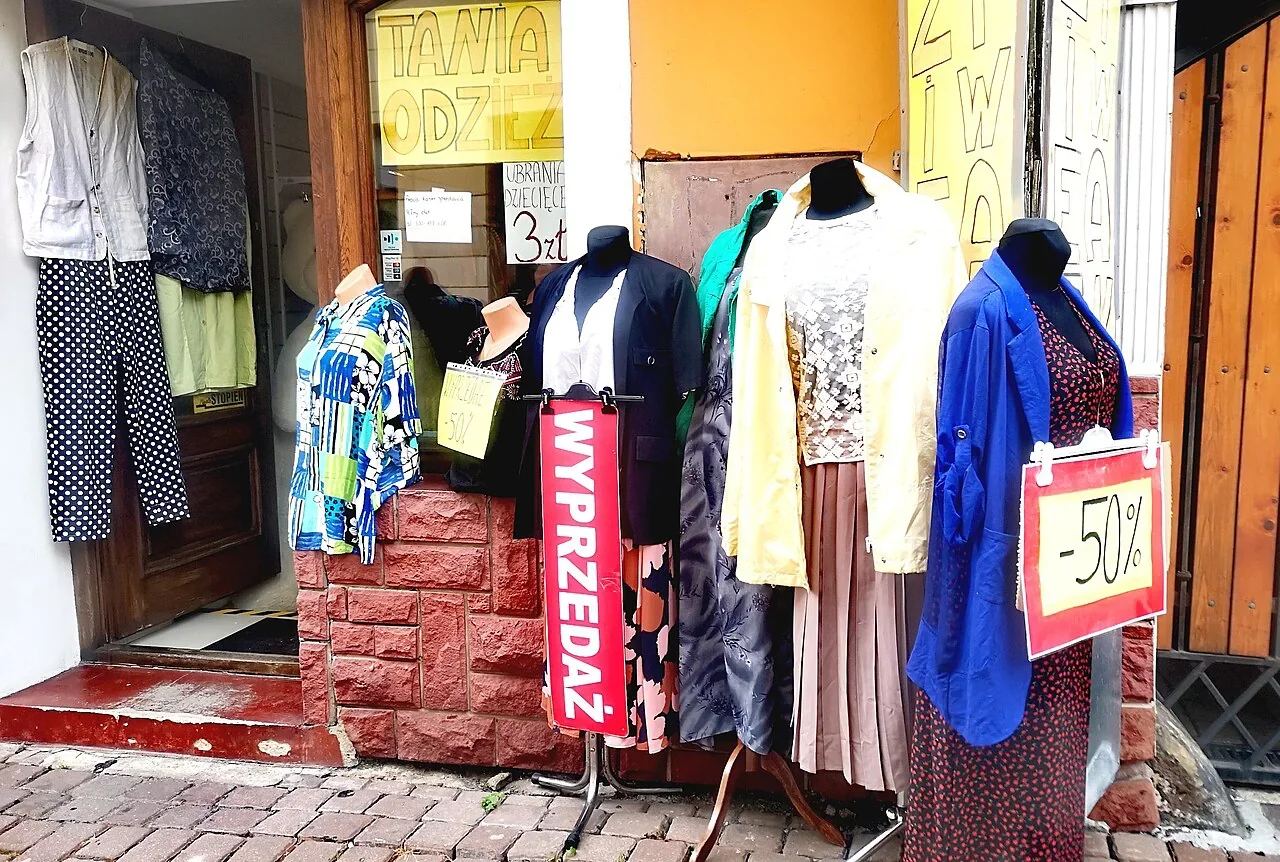
The most responsible second-hand purchase is usually the one that fills a real need and gets used often. A low price or a “pre-loved” label does not make an unnecessary item harmless: production, shipping, packaging and eventual disposal still matter. Before browsing, decide what problem the item should solve, then judge whether this particular piece can solve it reliably.
Set the need before opening the app
Write down the item, the use and any must-have features. “A warm rain layer for walking to work” is more useful than “a good jacket.” Check your closet or storage first; a second-hand purchase that duplicates something serviceable can still add clutter and encourage more buying. If the need is occasional, consider borrowing or renting where practical.
The EPA’s sustainable purchasing guidance says to consider impacts across a product’s life, including raw materials, manufacturing, packaging, transportation, use, and what happens when it is broken or no longer needed. It also recommends asking whether reducing or reusing products could lower impacts. [1] That makes reuse a strong starting point, while leaving room to consider whether you genuinely need this particular item.
Inspect for the kind of wear that matters
For clothing, check seams, stains, closures, odor and whether alterations would make it fit. For furniture, inspect joints, stability, water damage and whether it will fit through the doorway. For electronics, ask about age, included accessories, charging, reset status and whether the essential functions work. A flaw matters most when it affects safety, durability or the purpose you need the item for.
Ask clear questions and request close photographs if shopping remotely. If a seller cannot answer whether a device powers on or a chair is structurally sound, treat that uncertainty as part of the price. Avoid assuming that a bargain is repairable without checking parts availability, repair cost or your own willingness to do the work.
Compare the whole trip, not just the tag
Second-hand can avoid demand for a newly made item, but the outcome depends on what you buy and how you obtain it. A nearby shop you visit during an existing errand may have little additional transport cost; a single item shipped across a long distance can add packaging and delivery. These are practical considerations rather than a precise emissions calculation, since the references do not quantify a specific purchase.
Consider durability as well as price. A sturdy item that meets your need may be better value than a cheap one requiring immediate replacement. For a hypothetical example, if you need a desk lamp and find a used one that works with a standard bulb and has an intact cord, it may be a better fit than a decorative lamp that cannot light your workspace. Do not use or buy damaged electrical equipment; arrange safe inspection or choose another.
Choose a seller and transaction you can trust
Prefer listings with specific condition notes, return terms and clear photos. For high-value goods, use a safe payment method and follow the platform’s rules for meeting or delivery. Check that the seller has not omitted a defect you can see. If the price is unusually low for a branded item, consider authenticity and provenance rather than assuming it is a lucky find.
Buy only what you can store, maintain and eventually pass on or dispose of responsibly. EPA’s life-cycle framing includes use and end-of-life management, so a purchase decision should include a plausible next step when the item wears out. [1] For a household item, that might mean choosing a repairable design or confirming that your community has an appropriate collection route.
A small test before checkout
Pause and ask: Would I buy this if it were not discounted? Does it meet the need better than what I own? Can I check its condition, and can I live with the repair or care it requires? If the answer is uncertain, save the listing and return later instead of treating scarcity language as a deadline.
Next, compare one second-hand option with one alternative: keep what you have, borrow, repair, or buy new if that is the only safe and suitable choice. The goal is not to buy second-hand at every opportunity. It is to make the purchase you do make work hard, for long enough to matter.
Follow the evidence
Primary sources used in this story. Practical examples are illustrative unless a source states otherwise.
Read our editorial standards. Have a correction? Identify the article and relevant source in your feedback to the site owner.