tree day
Guide
What is a food waste audit?
A food waste audit is a short, structured record of what food a household discards, how much and why. It turns a vague sense of waste into a practical picture that can guide changes in shopping, storage and meal routines.
A food waste audit is a simple review of food that leaves a household uneaten: what it was, how much there was, and why it was discarded. You do not need specialized equipment to begin. A brief record over several days can show whether the main issue is overbuying, forgotten leftovers, spoilage or food prepared in excess.
Record the pattern, not a perfect dataset
For a week, keep a note near the kitchen bin or use a phone note. Each time food is discarded, record the item, an approximate amount and the reason. Categories might include spoiled before use, leftover after a meal, too much prepared, or an ingredient that was bought for a recipe that never happened. Exact weighing can add detail, but rough, consistent observations are usually enough to identify repeated causes.
Include food discarded during preparation if it is edible and would otherwise have been used, but do not treat every peel, bone or inedible part as avoidable waste. The purpose is to understand where household routines lose usable food, not to score every scrap.
Why a household audit helps
A general intention to waste less does not identify which habit should change. If a household’s record shows mostly wilted produce, a storage or shopping adjustment may help. If it shows containers of uneaten dinner, the issue may be portion planning or the absence of a next meal for leftovers. The audit connects a proposed action to an observed cause.
The EPA’s home food waste guidance describes a toolkit intended to help people figure out how much food is wasted at home and what they can do to waste less. It recommends small shifts in shopping, preparation and storage as ways to reduce waste. [1]
Turn one finding into an experiment
Imagine the week’s record shows that nearly every discard is a half-used bag of greens. For the next week, buy a smaller amount, plan a meal that uses the greens early, or change their storage. Choose one or two adjustments and note whether the amount discarded changes. If the greens still go unused, the timing of the planned meal may be the issue, so revise the meal slot rather than adding more storage rules.
For leftover-heavy households, a different experiment might be to reserve one lunch for leftovers and put those containers at the front of the refrigerator. For overproduction, cook a smaller amount or serve a first portion with the option of more. A good experiment is modest, observable and easy to repeat for another week.
Keep the audit manageable
A detailed log can become a burden, so record only what you will use. An approximate amount such as “one serving” or “a quarter bag” is often more practical than weighing every ingredient. If several people share cooking, agree on a quick way to record discards so the result reflects the household rather than one person’s view.
Avoid drawing a firm conclusion from one unusual week, such as travel, guests or a disrupted schedule. Note unusual circumstances and repeat the observation if needed. The audit is a household tool, not a scientific study; its value comes from making everyday patterns visible enough to guide a useful change.
Decide what happens to scraps
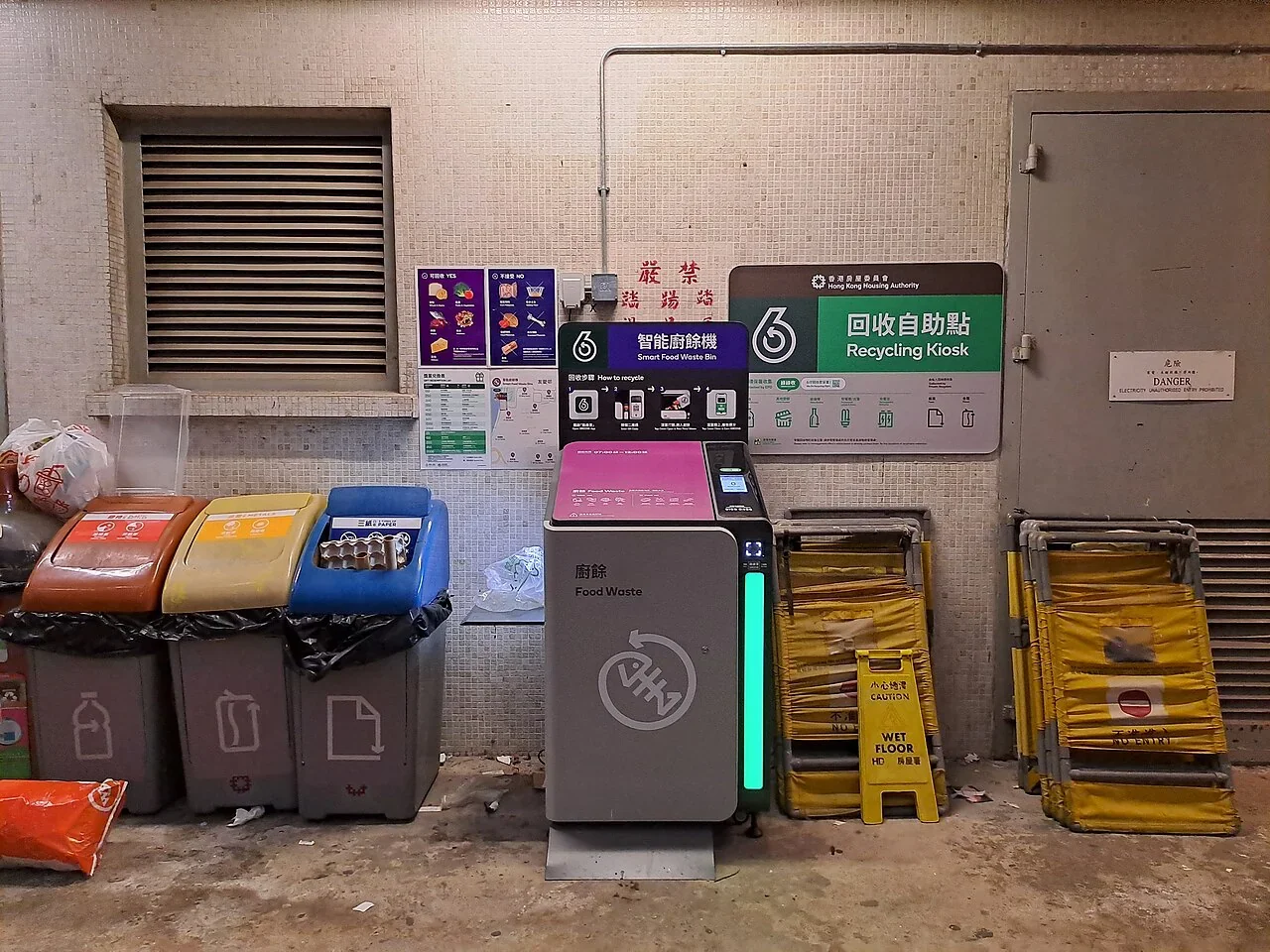
An audit can also distinguish prevention from disposal. If food scraps remain after you have reduced avoidable waste, composting may be available. The EPA says food cannot be recycled and recommends composting as an environmentally friendly disposal method; local collection programs determine what materials they accept. Check local instructions before placing scraps or compostable packaging in a bin. [2]
At the end of the first week, identify the most common avoidable category and choose one response. Repeat the log briefly after trying the change. If the same item remains a problem, adjust the purchase amount, storage or meal plan based on what the record shows. The next step should follow the evidence in your own kitchen.
Follow the evidence
Primary sources used in this story. Practical examples are illustrative unless a source states otherwise.
Read our editorial standards. Have a correction? Identify the article and relevant source in your feedback to the site owner.