tree day
Guide
Refill shops explained?
Refill shops let you buy measured amounts of goods into reusable containers, which can cut packaging and make quantities easier to control. Here is how the system works and how to decide whether a refill trip suits your routine.

A refill shop sells products by amount rather than by a sealed package: you bring or choose a container, fill it with the quantity you want, and pay by weight or volume. The approach can reduce disposable packaging and help avoid buying more than you will use. It works best when the shop carries items you already need and its container rules fit your habits.
What happens at the dispensers
Many refill stores offer dry foods such as beans, grains, spices, nuts or cereal, and some also sell liquid soaps and household cleaners. A typical visit begins with weighing an empty container so its weight can be subtracted later. You fill it from a dispenser, record the product and tare weight as the store requests, then pay for the contents. Some shops provide containers; others ask customers to bring clean ones.
The details matter. A store may require a staff member to weigh containers before filling, use a particular label, or restrict which containers can hold liquids. Ask before you start, especially if you are using a jar with a narrow opening or a bottle that has held another product. The shop’s own directions help keep its scales accurate and its goods clean.
Why buying by amount can help
A package size can dictate how much enters a household, even when the recipe calls for less. With a refill, a cook might buy only the cup of lentils needed for a dish, or a small amount of a spice used occasionally. That can make a pantry more manageable and lower the chance that an unfamiliar ingredient sits unused for months. The benefit comes from matching the purchase to a real use, not from buying loose goods automatically.
Reusable containers also avoid some single-use packaging. Yet the overall choice depends on the product and the way it is sold, transported and used. The EPA advises considering products across their life cycle and looking at whether reducing or reusing can prevent waste; a refill is one practical reuse pattern, rather than a guarantee that every product has the same environmental footprint. [1]
A small, realistic first trip
Imagine a household that eats oatmeal most mornings and has a clean, lidded jar at home. Before going, someone checks whether the shop sells oats, measures the jar’s capacity, and notes how much the household usually uses before the next shopping trip. At the store, they follow the shop’s weighing steps and fill only that amount. At home, the jar goes where breakfast is prepared, making the contents easy to remember and reach.
That simple test avoids turning a new habit into a pantry makeover. Start with one or two staples already on the shopping list. If the shop is on an existing route, the trip adds little effort; if it requires a special drive, buying more at once may not be the most convenient option. The goal is a useful routine, not a collection of attractive jars.
Trade-offs beyond the container
Refill stores may cost more or less than nearby packaged options, depending on the product, location and quantity. Compare the price for the amount you will actually use, and consider freshness, selection and travel. Buying a large amount because the unit price looks appealing can recreate the same overbuying problem that smaller packages were meant to solve.
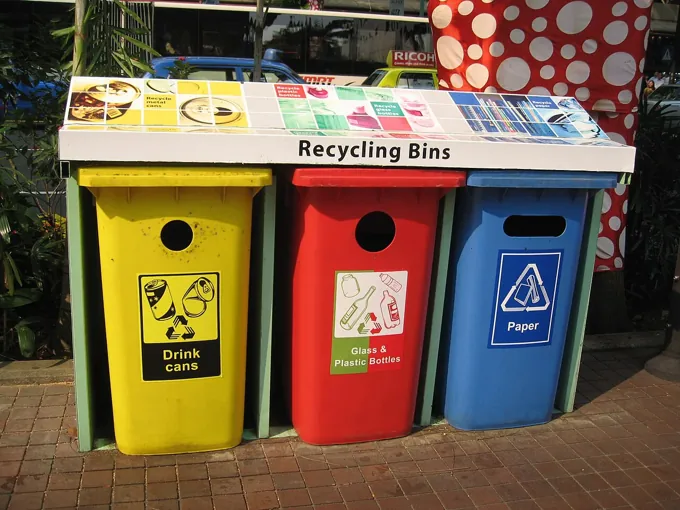
Refill is also not identical to recycling. Recycling rules vary by community and material; the EPA notes that local programs may accept different items and that a plastic resin number does not itself mean a container is accepted curbside. A refillable jar can remain in use, while a disposable package may or may not enter a local recycling stream. [2]
Make the system easy to repeat
Keep a short list of products that are practical to refill and containers that fit them. Label jars clearly at home, and check the shop’s current instructions before carrying containers in. For food, use clean, dry containers and keep ingredients protected after the trip. If a store does not offer a needed item, buying it in a package you can use fully is a sensible choice; the point is to avoid waste in the pattern you can sustain.
After a few visits, notice what actually gets used and what takes extra effort. Keep the refill stops that fit naturally into shopping, and skip those that leave you with excess or an inconvenient detour. That turns the idea into a household choice based on use, not an all-or-nothing rule.
Follow the evidence
Primary sources used in this story. Practical examples are illustrative unless a source states otherwise.
- US EPA: Institutional purchasers of greener products and services ↗
- US EPA: How do I recycle common recyclables? ↗
Read our editorial standards. Have a correction? Identify the article and relevant source in your feedback to the site owner.