tree day
Guide
How to store vegetables to reduce waste?
Vegetables last longer when storage matches their needs for temperature, humidity, light and airflow. Use the refrigerator’s drawers and a cool, dry pantry thoughtfully, while checking guidance for the particular vegetable and your home conditions.
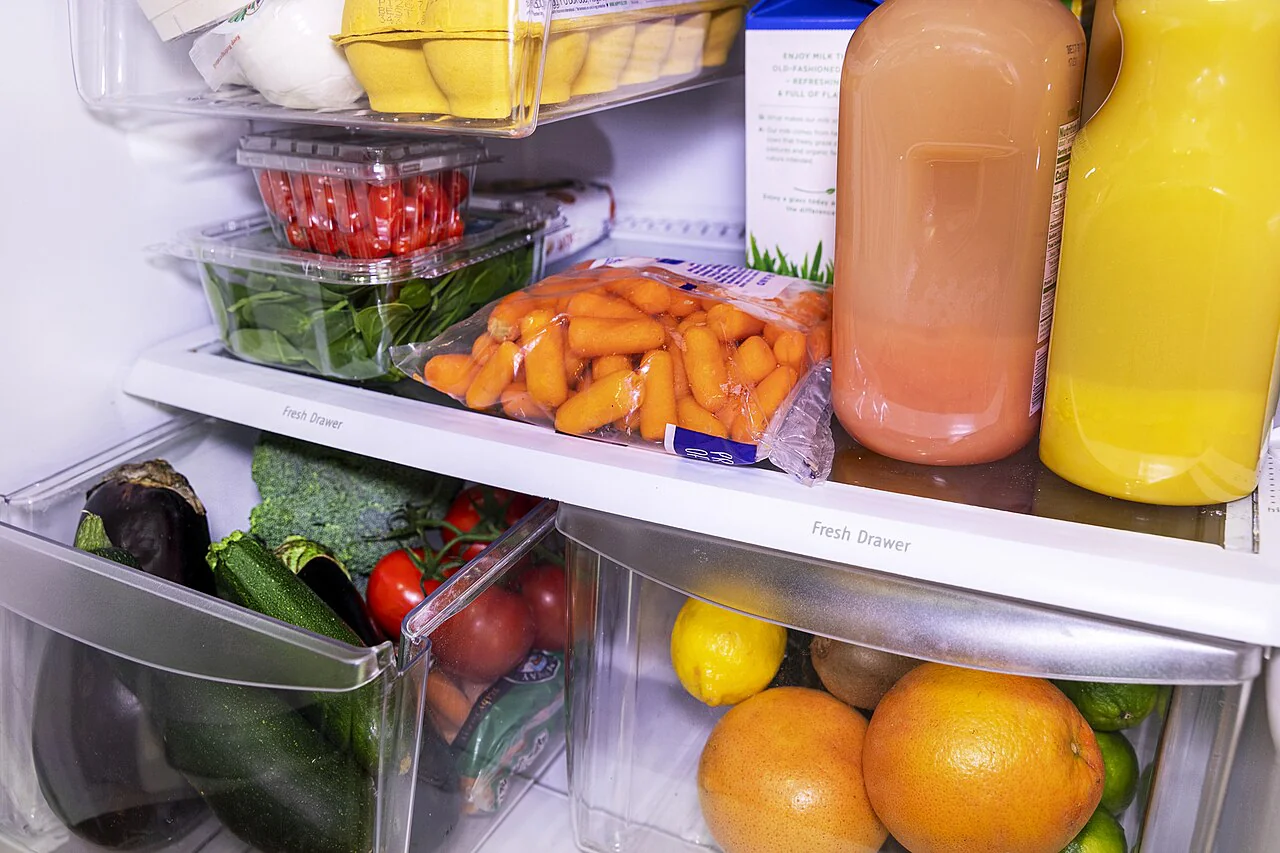
Store vegetables according to what they need: many leafy or wilting vegetables benefit from the refrigerator, while some sturdy crops keep better in a cool, dark, dry place. There is no single storage method for every vegetable. A useful first step is to separate produce by its likely storage needs and keep the items you plan to use soon easy to see.
Sort by where it belongs
Many vegetables that wilt, including leafy greens, carrots, cucumbers and broccoli, are typically stored in the refrigerator’s higher-humidity drawer. Vegetables that tend to rot, such as mushrooms and peppers, may do better in a lower-humidity drawer. EPA guidance offers these as general storage tips to help produce stay fresh longer, but individual produce and refrigerator conditions can vary. [1]
Potatoes, eggplant, winter squash, onions and garlic are examples of produce often suited to a cool, dry, dark and ventilated location rather than a crowded refrigerator drawer. Keep them away from heat and moisture, and check them periodically so one deteriorating item does not go unnoticed. The right spot is a household-specific one: a warm, damp cupboard will not serve the same purpose as a ventilated pantry. [1]
Keep ripening effects in mind
Some fruits release ethylene as they ripen, which can speed ripening in nearby produce. The EPA names apples, bananas, pears, stone fruits and avocados among ethylene-producing examples and advises storing them apart from other produce. In a small kitchen, separation can be as simple as keeping them in a different bowl or drawer rather than placing everything together. [1]
This does not mean every vegetable needs an elaborate storage system. Start with the combinations that seem to shorten the life of food in your own kitchen. If a bowl of fruit sits beside delicate vegetables and the vegetables often soften quickly, try moving the fruit and observe whether the pattern changes.
Manage moisture and visibility
Moisture can contribute to spoilage, but the right handling depends on the vegetable. EPA recommends waiting to wash berries, cherries and grapes until just before eating to reduce mold risk; for vegetables, follow food-specific handling guidance and avoid storing produce wet when that encourages deterioration. A clean, dry storage container or produce bag can help keep items organized without sealing in unwanted moisture.
Visibility matters as much as the drawer setting. Keep soon-to-be-used vegetables near the front or in a dedicated use-first area. A household that repeatedly finds limp greens behind jars might place them in a clear container at eye level and plan one early-week meal around them. Better storage extends the opportunity to eat the food, but the meal plan still has to create that opportunity.
Use drawers as adjustable tools
Refrigerator drawers may have humidity controls, but settings and airflow differ across models. Treat them as adjustable spaces rather than assuming a label guarantees ideal conditions. If produce repeatedly becomes soggy or dries out, change one variable at a time: move it to another drawer, use a different container, or buy a smaller quantity. That makes it easier to identify the cause.
Temperature also varies within a refrigerator. EPA guidance describes lower shelves as colder and the door as warmer, advising that milk and eggs not be kept in the door. For vegetable storage, use the drawer or shelf that maintains suitable conditions and does not hide items from view. [1]
Let the shopping quantity match storage
Even good storage cannot rescue a quantity that the household will not use. If a particular vegetable is often discarded, buy less, plan two uses, or choose frozen produce for a backup meal where that suits the recipe. EPA recommends buying only what is needed and notes that buying bulk quantities is helpful only when the food is used before it spoils. [1]
Check produce regularly and move sound vegetables into a planned dish before they deteriorate. If you are unsure how a particular vegetable should be stored, use reliable food-specific guidance rather than applying a general drawer rule. A small adjustment to location, moisture or purchase size is usually a more useful next step than rearranging every shelf.
Follow the evidence
Primary sources used in this story. Practical examples are illustrative unless a source states otherwise.
Read our editorial standards. Have a correction? Identify the article and relevant source in your feedback to the site owner.