tree day
Guide
Aluminium vs steel cans recycling?
Both aluminium and steel cans can enter metal recycling, but local collection rules decide the route. Learn how to identify the common can types, prepare them and avoid assuming every metal item is accepted curbside.
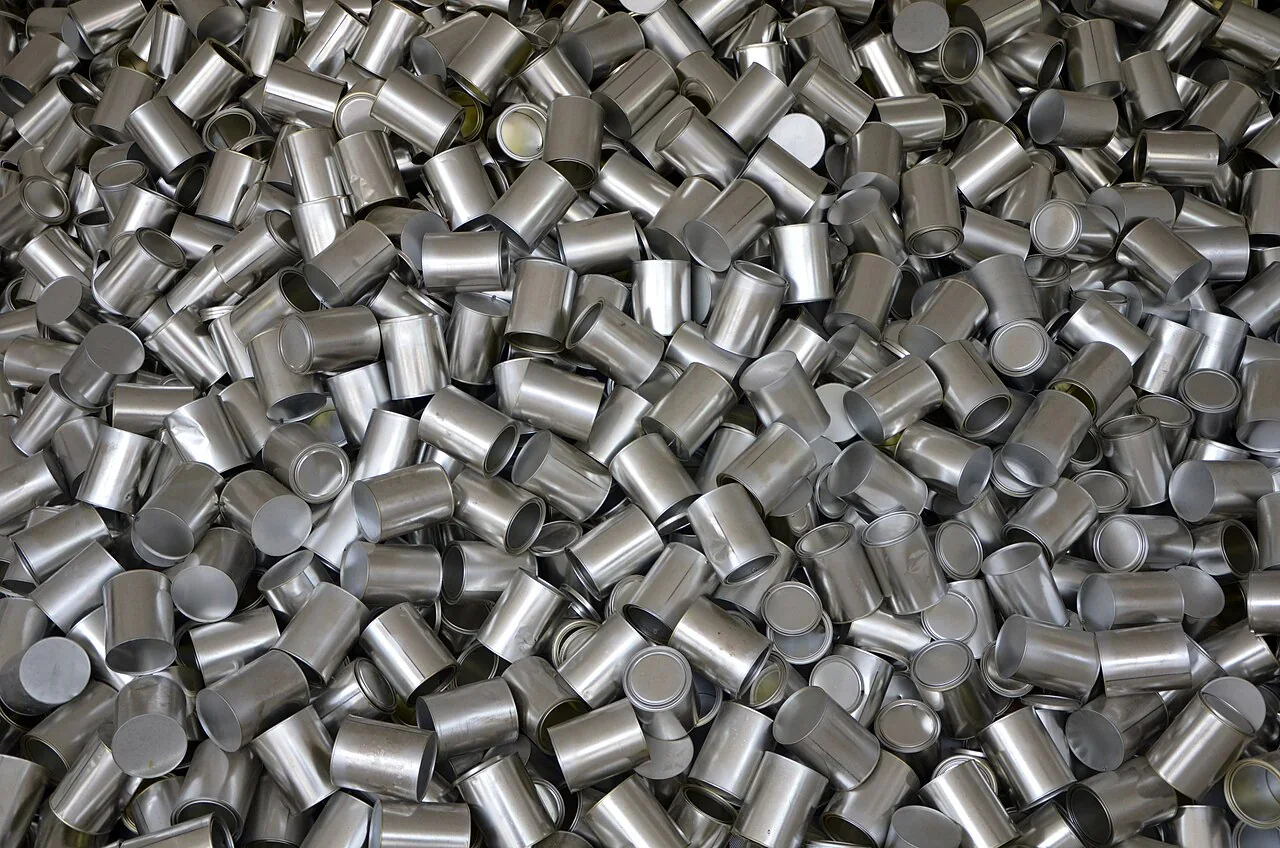
Both aluminium and steel cans are recyclable materials, but your local program determines which cans it collects and how to prepare them. For ordinary food and drink cans, the useful first step is to check the community’s accepted-metal list. Then empty the container and follow the program’s directions about lids, crushing and sorting. Metal content alone does not guarantee that every item belongs in the curbside cart.
Two metals, one local question
Aluminium is a nonferrous metal; steel is a ferrous metal, meaning it contains iron. EPA’s national materials information tracks these categories separately, but it says metal recycling options depend on locality. The categories can help explain why cans may be sorted differently, yet they are not a substitute for the rules of your specific collection service. [1]
The word “can” also covers different objects: beverage cans, food cans, aerosol containers and specialty tins may have different handling instructions. Check the item type as well as the metal. If the label or shape does not make the material clear, consult the local program’s accepted-items guide instead of guessing from weight or appearance. [1]
Preparation that avoids common trouble
Empty the can and check local guidance for whether to rinse it or leave the lid attached. EPA says aluminum foil can be recycled if food residue is removed, and generally advises not crushing aluminum cans in single-stream programs because crushed cans can be harder to detect during sorting. In multi-stream areas, crushing is not an issue according to its guidance. Follow the local provider if it gives a specific instruction. [1]
Those directions are specifically about aluminum cans. Do not apply them automatically to steel cans or other metal packaging. A local program may ask residents to leave containers whole, separate lids or use a designated collection point. The safe habit is to make the item identifiable and follow the accepted list for that material.
A pantry cleanout example
Imagine you have an empty beverage can and a can that held beans. If your program accepts both types, empty them and prepare them according to the provider’s instructions. The first may be aluminum and the second steel, but you do not need to establish that by guesswork if the local guide lists both beverage and food cans. Keep non-can metal objects, such as cookware or scrap pieces, out unless the program confirms they are accepted.
If the program’s guide lists aluminum but says nothing about steel cans, check before placing the food can in the cart. EPA provides general metal guidance and points out that programs differ by locality. A quick online lookup or call to the local service is more reliable than inferring acceptance from the fact that both metals have recycling markets. [1]
Why “metal is metal” is not enough
A recycling facility handles material through a particular collection and sorting system. The fact that a material can be recovered somewhere does not establish that a local cart is designed to collect it. That is a broader lesson in recycling: EPA advises checking local rules for metal, as it does for paper, plastic and glass. [1]
Similarly, do not assume that a triangular symbol or a general recycling message gives complete instructions. For a household decision, the important question is whether the exact item is accepted and how the program asks you to present it. If no curbside route exists, the local agency may identify a separate collection option.
Make the decision easy next time
Keep the accepted-materials list accessible near your kitchen recycling area. If the provider accepts both aluminum and steel cans, use the routine it recommends and avoid unnecessary extra steps. If it distinguishes them, label a separate container only if that makes sorting easier and does not create a storage problem. Recheck the list when service instructions change. [1]
A common mistake is to crush every can to save space. EPA’s aluminum guidance cautions against crushing cans in single-stream collection because they may be harder to detect. Another is to assume local acceptance from a national generalization. Check your route, leave cans as directed, and sort only what the local program can use. [1]
Follow the evidence
Primary sources used in this story. Practical examples are illustrative unless a source states otherwise.
Read our editorial standards. Have a correction? Identify the article and relevant source in your feedback to the site owner.