tree day
Guide
How to plan meals to reduce waste?
Plan meals around the food you already own, the number of meals you will eat at home, and quantities you can finish. A flexible plan that includes a use-first meal and realistic leftovers can reduce waste without requiring a rigid weekly menu.
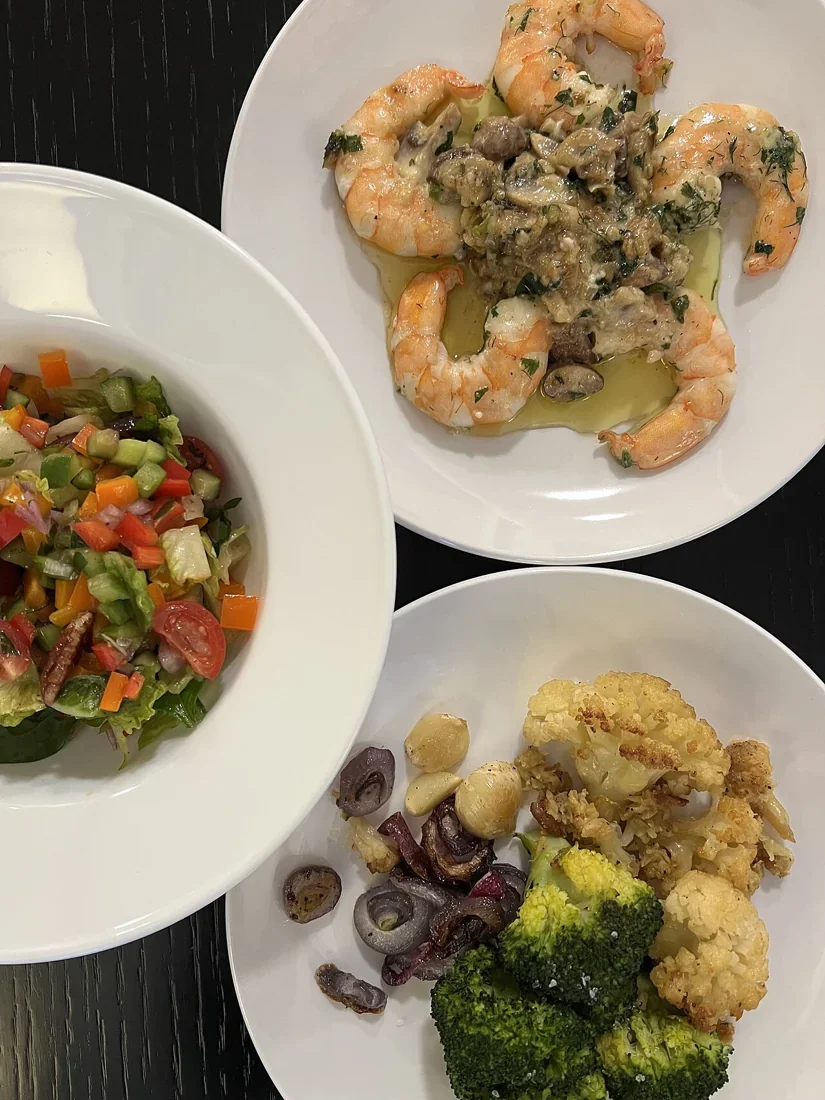
A waste reducing meal plan starts with the refrigerator and calendar, not a stack of recipes. Check what needs using, count how many meals you will eat at home, then choose dishes that share ingredients or intentionally create leftovers. This approach prevents duplicate purchases and gives perishable food a likely destination before it enters the shopping bag.
Inventory meets the week ahead
Take a quick look through the pantry, refrigerator and freezer before planning. Note opened packages, produce that is nearing the end of its useful window, and frozen items that could become a meal. Then check the week: dinners out, late work nights, planned leftovers and days when cooking is unlikely. A plan built around the actual calendar is more likely to be followed than one that assumes every evening is free.
The EPA recommends checking what is already on hand, planning meals with the week in mind and making a shopping list based on how many meals will be eaten at home. It suggests including quantities so purchases match the meals planned. [1]
Build meals from overlapping ingredients
Choose a few flexible ingredients that can appear in more than one dish without making every meal identical. A bunch of herbs might season a grain bowl early in the week and a soup later; a bag of carrots could serve as a side and then become part of a stew. The useful overlap is limited: buying one ingredient for several realistic uses is different from inventing a long list of recipes to justify a bulk purchase.
Be specific about quantities. If two recipes together need one onion and half a bunch of greens, write that down. For ingredients sold in larger packages, identify a second use before buying, or choose a smaller amount if available. EPA guidance notes that buying in bulk only saves money when all the food is used before it spoils. [1]
Leave a slot for the unexpected
A rigid plan can break when a meeting runs late or someone changes dinner plans. Build in one flexible meal that can use leftovers or pantry staples, and avoid filling every night with a recipe requiring fragile ingredients. Frozen vegetables, grains, beans or another household staple can make a backup meal possible without buying special items that may go unused.
For example, a household could plan four dinners, one dinner out and one evening for leftovers, leaving one night open. If the week stays on track, the open slot can become a simple meal from ingredients already at home. If plans change, the flexible night absorbs the shift. The point is to make the plan resilient enough that one disruption does not strand several perishable ingredients.
Plan for leftovers before cooking
Decide whether a dish is meant to serve one meal or more. If there will be extra, choose where it will go next: a labeled lunch container, a planned second dinner, or portions for the freezer. Store leftovers promptly and keep them visible so they do not disappear behind new groceries. If a recipe regularly makes more than the household wants, scale it down next time or plan an intentional use for the remainder.
Portion sizes are personal and circumstances vary, so avoid assuming everyone will eat the same amount. Serving a moderate first portion with the option of more can help reduce plate waste. If guests or children have different appetites, plan for that variability rather than trying to predict each plate exactly.
Turn the list into a feedback loop
After shopping, keep the list somewhere visible and mark meals as they happen. If a plan changes, move the most perishable ingredients into another meal rather than letting them wait for the original recipe. At the end of the week, note what remained unused and why. Perhaps the planned lunch was unrealistic, or one recipe called for too much produce; next week’s quantities can reflect that.
A meal plan is a guide, not a contract. The useful measure is whether it helps the household buy and prepare food that gets eaten. Start with a few meals and one use-first dish, then refine the list based on what actually happened.
Follow the evidence
Primary sources used in this story. Practical examples are illustrative unless a source states otherwise.
Read our editorial standards. Have a correction? Identify the article and relevant source in your feedback to the site owner.