tree day
Guide
Repair vs replace appliances?
A broken appliance is not automatically destined for the curb. Compare the likely repair, remaining useful life, energy and material impacts, and safe end-of-life options before deciding.
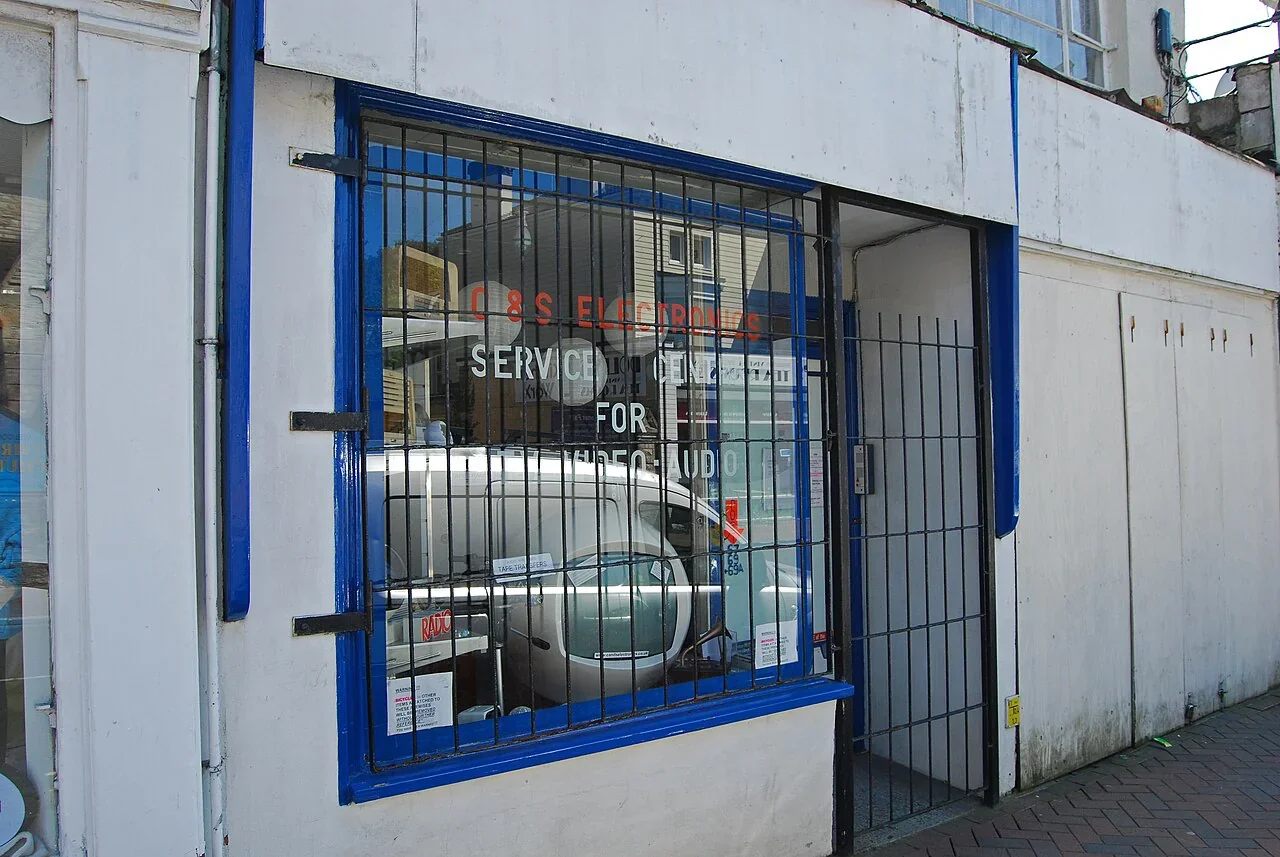
When a refrigerator stops cooling or a washer starts leaking, the useful first question is not simply how old it is. Ask what failed, whether the fault can be repaired safely, and what condition the rest of the appliance is in. Repair often keeps a functioning product in use and avoids buying another one; replacement can make sense when damage is extensive, parts are unavailable, or continued operation is unreliable.
Start with the failure, not the age
Write down the symptom: a refrigerator that runs constantly, a washer that will not drain, an oven that heats unevenly. Note when it began and whether anything changed beforehand. A clear description helps a qualified technician narrow the problem and provide a more useful estimate. Do not open panels or handle wiring if you are not equipped to do so; unplugging an appliance does not make every internal component safe.
Ask whether the fault is isolated or a sign of broader wear. A worn seal, clogged filter, loose handle, or replaceable control may be a limited repair. Corrosion, repeated failures, or damage to a major sealed system can point to a more involved job. The distinction matters: a modest repair can extend useful service, while repeated expensive fixes may only postpone replacement.
Compare the whole decision
Set the repair estimate beside the cost of a suitable replacement, including delivery, installation, and removal where relevant. Then consider expected reliability, warranty terms, fit in the available space, and whether the replacement offers a feature you actually need. There is no universal age or dollar threshold that settles the choice for every appliance and household.
Environmental impact also runs through several stages: raw-material sourcing, manufacturing, packaging, transport, use, and what happens when a product breaks or is no longer needed. The EPA advises considering a product across its life cycle and avoiding choices that solve one problem while creating another elsewhere [1]. Keeping an appliance working can avoid an immediate purchase, but an inefficient or unsafe appliance may create other costs during use. Compare the particular models and the actual fault rather than assuming that either repair or replacement is always greener.
A refrigerator example
Imagine a household refrigerator has stopped cooling and a technician estimates a repair at $280. A comparable replacement would cost $1,100 before delivery. Those figures are hypothetical; they illustrate the comparison, not market prices. If the fault is a replaceable part, the cabinet and other components are sound, and the technician expects the repair to restore dependable operation, the $280 may preserve years of service while avoiding a new purchase.
Now imagine the diagnosis instead finds extensive damage and the refrigerator has had several recent breakdowns. A repair could be only the first of several bills, and food safety depends on reliable cooling. In that case, replacement may be the more practical decision. The household should compare energy use using available product information, check that the new unit fits its actual needs, and arrange responsible handling of the old appliance. The point is not to calculate an invented environmental score; it is to make the reasoning visible.
Avoid predictable mistakes
One common mistake is treating a high repair quote as the only cost. A cheap replacement may be a poor fit, difficult to install, or less durable than a repair to a sound appliance. The reverse mistake is paying for repair after repair because the first bill was manageable. Ask the technician what the estimate includes, whether parts and labor are covered, and what uncertainty remains after diagnosis.
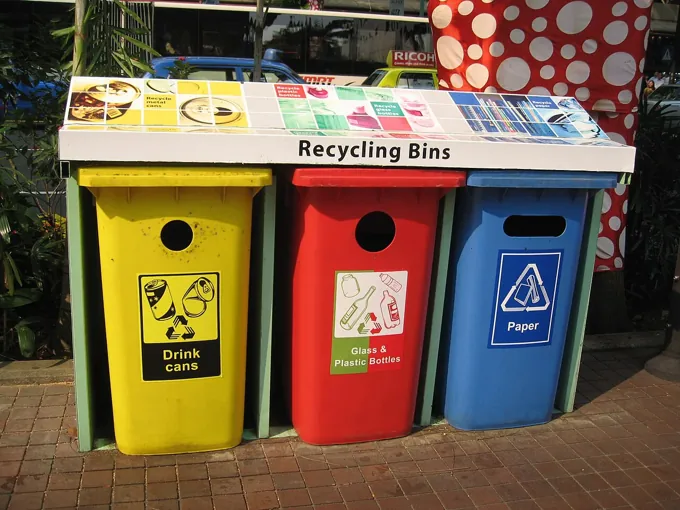
Another mistake is putting a broken appliance into curbside recycling. Collection rules differ, and some items need a specific drop-off or retailer program. The EPA says electronics are not accepted in curbside recycling and recommends checking local facilities or manufacturer and retailer options; it also advises deleting personal information from electronics before recycling [2]. For a large household appliance, check local waste guidance and ask the seller or service provider about removal and recovery options.
Make the next call useful
Before choosing, gather the model number, describe the symptoms, and request a diagnosis and written estimate from a qualified repair provider. Ask how likely the repair is to last, whether the part is available, and whether further faults may become apparent during the work. If replacing, compare products on the features and use that matter in your home, then confirm the old unit's accepted collection route before delivery.
This approach leaves room for practical judgment. A repair is valuable when it restores dependable use without disproportionate expense; replacement is reasonable when the appliance is unsafe, repeatedly failing, or no longer suited to the household. Make the decision on the specific appliance in front of you, then choose the repair estimate or replacement plan that best fits your needs.
Follow the evidence
Primary sources used in this story. Practical examples are illustrative unless a source states otherwise.
- US EPA: Institutional purchasers of greener products and services ↗
- US EPA: How do I recycle common recyclables? ↗
Read our editorial standards. Have a correction? Identify the article and relevant source in your feedback to the site owner.