tree day
Guide
How to organise a repair cafe?
A repair café works best as a small, clearly scoped event where visitors and volunteer repairers assess items together, share skills and decide when a repair is unsafe or impractical. Plan intake, tools, safety boundaries and the next step for unrepairable goods.
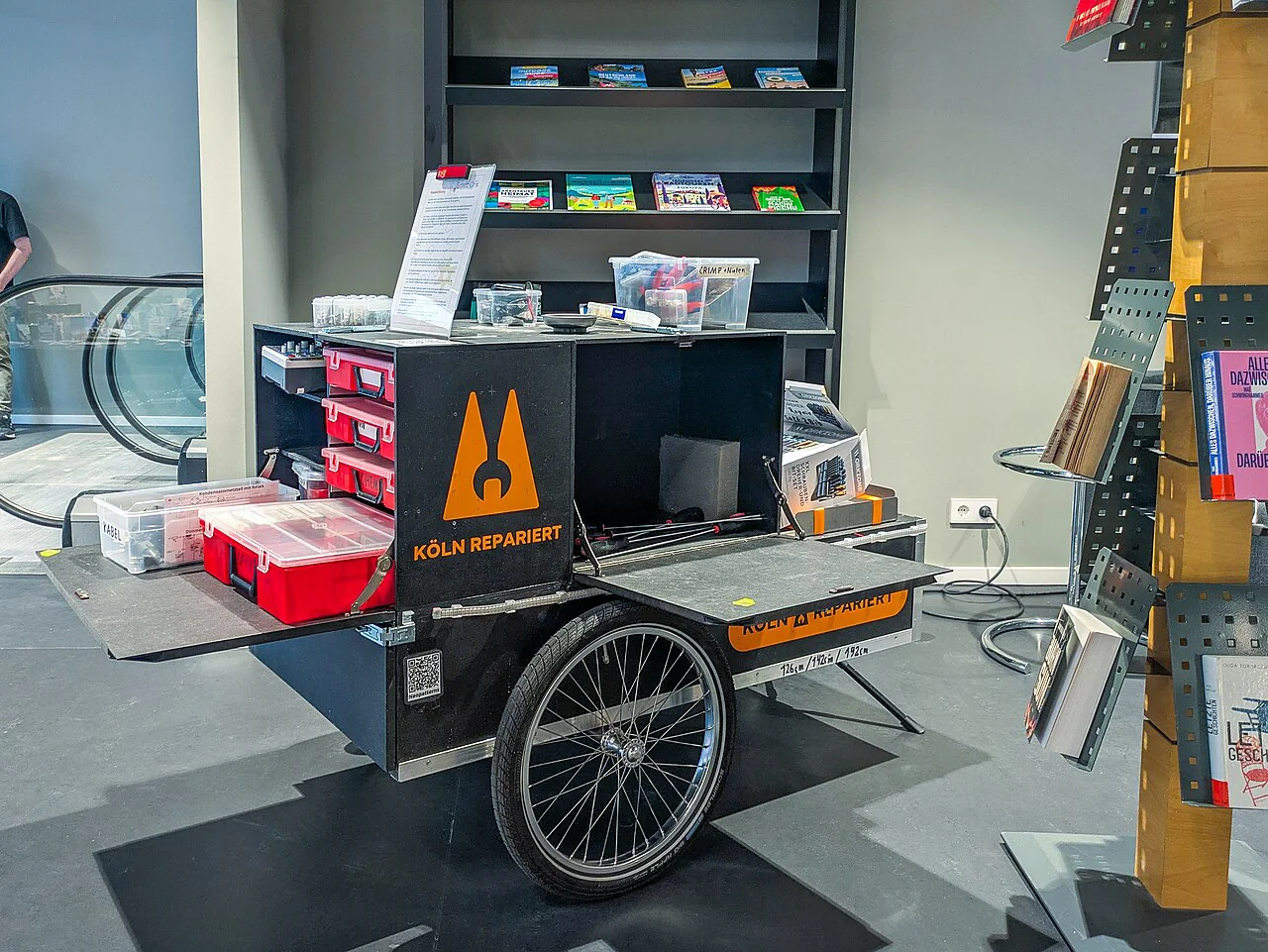
Start a repair café with a manageable promise: bring a few kinds of household items, and volunteers will help assess whether repair is possible. It should not promise that every object will leave fixed. A clear scope, safe work area and honest intake process make the event useful even when the result is advice, a diagnosis or a referral rather than a repair.
Pick a scope volunteers can support
Choose a venue and event length, then list the item types your volunteer team can realistically assess. A first event might focus on clothing, small furniture and non-powered household objects; electrical work should be offered only by people qualified and equipped to handle it safely. Explicitly exclude hazardous materials and work involving live electrical systems, gas, structural building components or high-risk machinery.
Recruit repairers before announcing a wide invitation. Ask what tools they have, which repairs they are comfortable attempting and what they will decline. A volunteer who can sew a seam should not be expected to repair every textile, and a general tinkerer is not automatically qualified to diagnose electrical faults.
Design intake around consent and triage
Use a short form to record the item, the problem, relevant safety concerns and the visitor’s contact details if needed. At the table, ask the owner to describe what happened and what they have already tried. Agree on the intended work before opening an item, especially if repair could alter its appearance or void a warranty. Keep ownership with the visitor and make clear that volunteers may stop if a repair seems unsafe or beyond their skill.
A simple status card helps: waiting, being assessed, repaired, needs parts, or not suitable. This prevents a crowd from forming around one workbench and lets people see that a useful outcome can include learning what failed or finding a specialist.
Set up a safe, calm room
Use sturdy tables, good lighting, accessible walkways and separate areas for intake, repair and waiting. Keep sharp tools controlled and put first-aid supplies where the event lead can find them. Do not allow children or visitors to handle tools without appropriate supervision. If an item has a damaged plug, exposed wiring, fuel, chemicals or a battery that appears swollen or damaged, do not improvise a fix; direct the owner to qualified local guidance or an appropriate collection service.
Ask the venue about insurance, accessibility, power use, cleanup and waste handling. Have a named event lead who can pause work, redirect a queue or close an activity. A brief volunteer check-in before doors open should cover roles, boundaries and how to respond when an item cannot be accepted.
Make repair a shared lesson
The most valuable moment may be showing someone how to sew a button or tighten a loose chair fitting, with the owner participating where safe. Explain what you are doing in plain language and ask before taking over. The aim is to build confidence and share practical knowledge, not to turn visitors into an audience for expert performance.
Bring common supplies only after volunteers identify likely needs, and invite visitors to bring parts or manuals when they have them. Avoid purchasing a large stock of components before you know what breaks in your community. For a hypothetical first event, a volunteer team could log that several lamps need the same replaceable part, then decide whether that pattern justifies sourcing it next time.
Close the loop after the event
Track simple counts: items assessed, repairs completed, referrals made and reasons work stopped. Do not claim that every item was diverted from disposal; attendance or repair attempts do not prove what would otherwise have happened. Use the notes to adjust the next event’s scope, staffing and supplies.
For items that cannot be repaired, help owners identify an appropriate local route. EPA guidance notes that electronics are not accepted curbside but may be taken to specific collection sites, and recommends checking local facilities for options. [1] That is a useful handoff when a device is beyond safe repair. Set a date for a short volunteer debrief and choose one improvement before promoting the next café.
Follow the evidence
Primary sources used in this story. Practical examples are illustrative unless a source states otherwise.
Read our editorial standards. Have a correction? Identify the article and relevant source in your feedback to the site owner.