tree day
Guide
Donating clothes vs textile recycling?
Choose donation for wearable clothing that someone can use; reserve textile recycling for worn, damaged or otherwise unusable items when a local program accepts them. A quick condition check and a call ahead can prevent unusable donations.
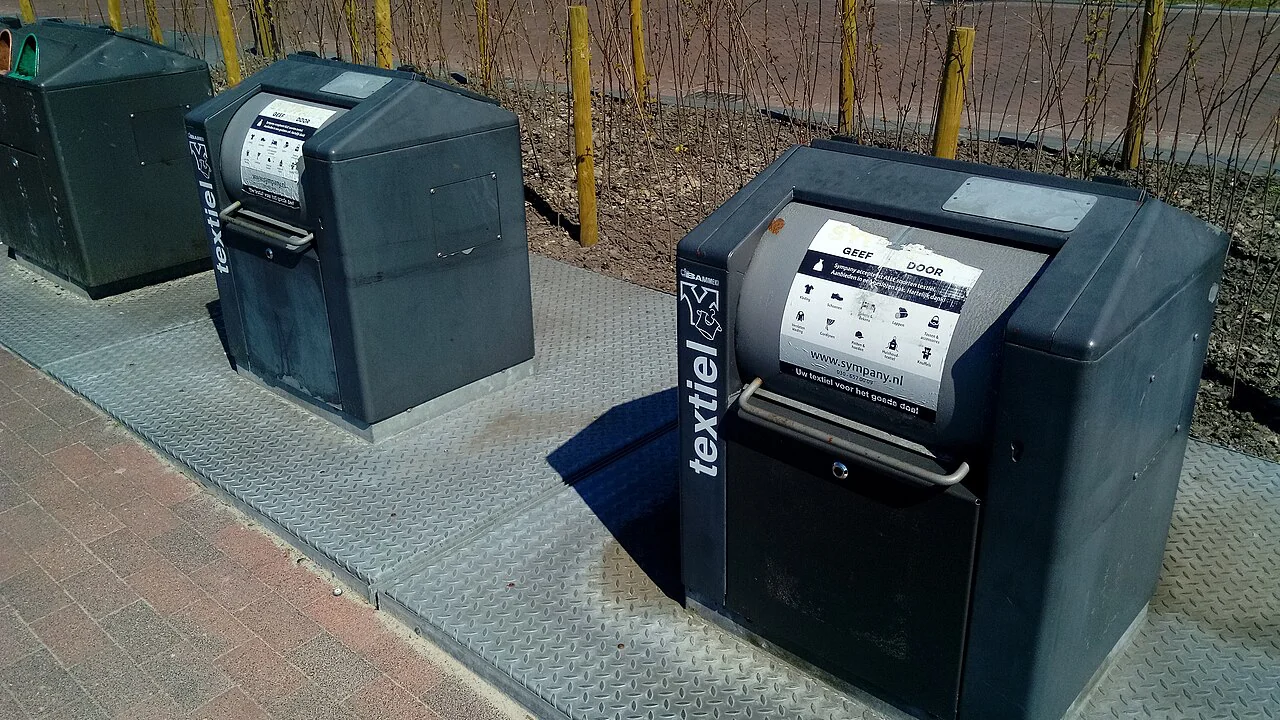
If you would wear the item again, donation is usually the better first stop; if it is stained, torn or worn beyond use, look for textile recycling. The useful distinction is condition, not whether a garment is fashionable or made from a particular fiber. Donation only helps when clothing is suitable for another person, while recycling options depend on local collection and processing.
Start with the garment’s next useful life
Sort clothes into three practical groups: ready to wear, repairable, and no longer wearable. Clean, intact shirts, coats and trousers may be useful to a charity, community closet or resale shop. Check that fasteners work, seams are sound and the item is clean enough to handle. A garment does not need to be current fashion to be useful, but it should be something another person could reasonably choose to wear.
The U.S. EPA says gently worn clothing and shoes can be donated to many charities, and advises checking directly with a charity about damaged items. That condition check matters: a donation bin is not a general-purpose waste chute. [1] If a recipient cannot use an item, sorting and transporting it still take effort, and the garment may end up discarded.
When recycling is the better route
For fabric that cannot be worn, ask whether a local textile collection or retailer take-back program accepts it. Programs differ: one may collect worn clothing for fiber recovery, while another accepts only particular items or brands. Confirm what happens to the material and whether it needs to be clean and dry. Do not assume a curbside bin accepts textiles just because it accepts other recyclables.
Textile recycling can involve turning fabric into wiping cloths, insulation or recovered fibers, but not every garment can readily become new clothing. Blended fibers, elastic, coatings and trims can complicate sorting and processing. Treat recycling as a useful option when a real local pathway exists, rather than assuming the word “recyclable” guarantees collection.
A three-pile example
Imagine clearing a closet with two sweaters, a pair of jeans and a shirt with a large tear. If one sweater is clean and wearable, check a nearby charity’s needs and donation rules. If the second has a small loose button, decide whether a simple repair is worthwhile before passing it on. If the jeans are worn through at the knees and the shirt is torn, check for textile recycling collection and its accepted materials.
This is a decision sequence, not a promise that every item will be reused. A local organization may need specific sizes or seasonal goods, and a textile collector may not take every fabric. If neither route is available, follow local waste guidance rather than leaving bags beside an unstaffed bin.
Avoid common sorting mistakes
Do not donate clothing that is wet, moldy, heavily soiled or unsafe to handle. Do not put textiles into a household recycling cart unless your local program specifically lists them. EPA’s general recycling guidance stresses checking local program rules because acceptance varies by community; its clothing guidance likewise recommends confirming with charities before donating damaged items. [1]
Also resist buying or keeping clothing solely because it carries a recycling claim. The practical impact comes first from extending useful wear: maintain garments, mend easy damage and pass on what remains usable. Recycling is more relevant once an item has reached the end of a wearable life.
Make the next step local
Before sorting a large load, check a charity’s current donation list and your local solid-waste agency’s textile options. Ask whether a collection accepts damaged fabric, shoes, linens or only clothing, and whether items must be bagged separately. If a store offers take-back, read its terms rather than treating the collection box as proof that every item becomes a new garment.
For one item in your hand, the decision can be simple: wearable and clean means ask about donation; unwearable means verify a textile pathway; uncertain means contact the recipient before dropping it off. That small check gives the clothing its best chance of being used and keeps the next step honest.
Follow the evidence
Primary sources used in this story. Practical examples are illustrative unless a source states otherwise.
Read our editorial standards. Have a correction? Identify the article and relevant source in your feedback to the site owner.