tree day
Guide
How to start a zero waste kitchen?
A lower-waste kitchen begins with the food and packaging already moving through your home. Start by noticing what gets discarded, then change one repeatable habit in shopping, storage or cooking rather than replacing everything at once.
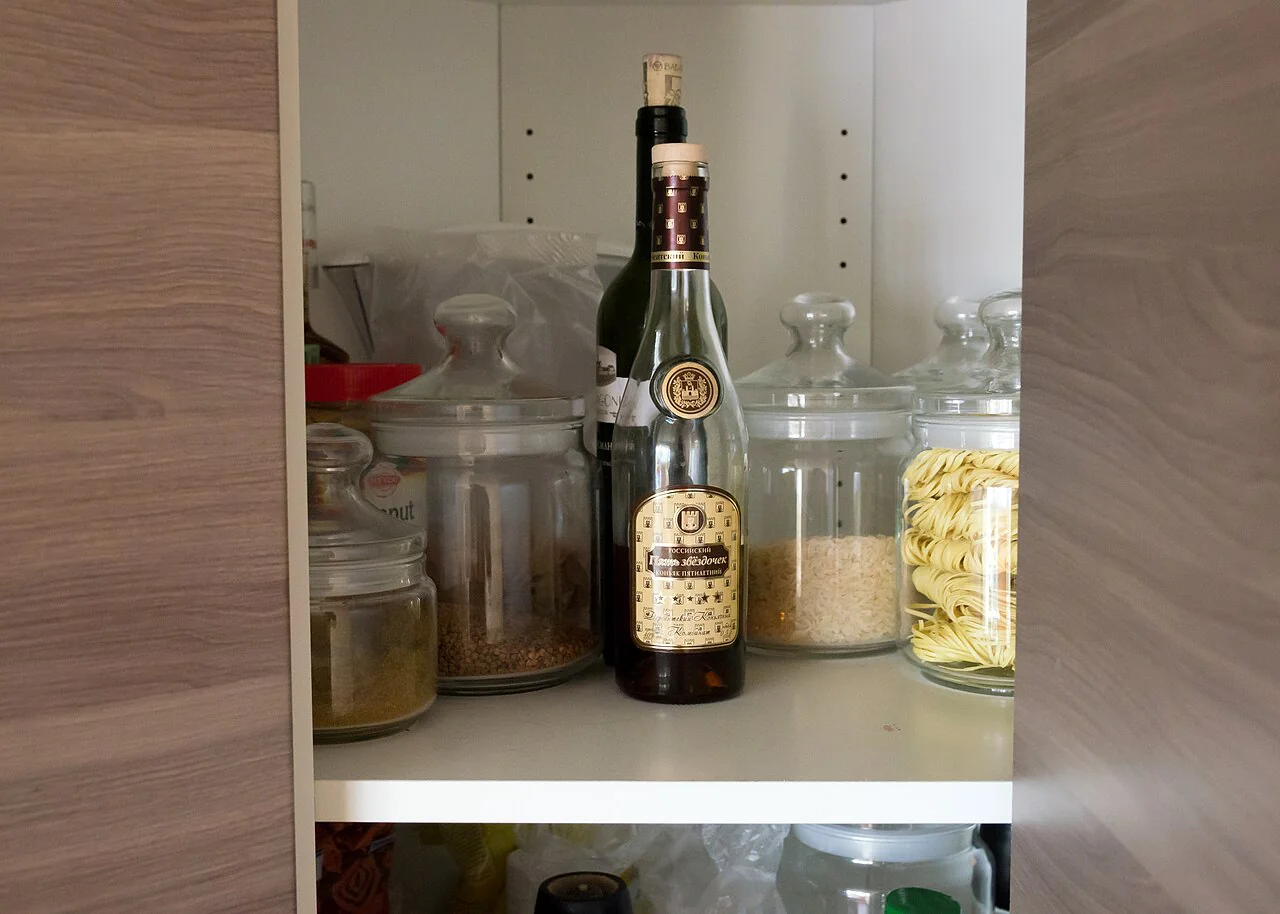
Start a lower-waste kitchen by watching what you throw away for a week and choosing one recurring cause to address. That gives you a practical target: unused greens, forgotten leftovers, or packaging from a product you buy often. A kitchen does not become waste-free through a single shopping trip; it changes as household routines make better use of food and materials.
Find the leak before buying fixes
For several days, set aside a note on your phone or a scrap of paper and record food that goes unused. Write down what it was and why it was discarded: bought in excess, spoiled before use, left uneaten, or trimmed during preparation. This is not a test of virtue. It is a way to distinguish a storage problem from a planning problem, because each calls for a different change.
The EPA recommends planning, shopping and storing food with waste prevention in mind, including checking the refrigerator, freezer and pantry before shopping and making a list of foods to use soon. Those steps make the kitchen’s existing inventory visible before new groceries arrive. [1]
Choose one change that repeats
If salad greens are the most frequent loss, the first change could be to plan a meal that uses them early in the week and store them in a way that suits the particular greens. If leftovers are the main issue, reserve a visible shelf for them and decide when they will become lunch. If bulk purchases often remain untouched, buy a smaller quantity next time. The best first step removes a cause you have actually observed.
Avoid treating zero waste as a demand to replace every container, utensil or appliance. A serviceable item already in your kitchen can keep being used. Buying a set of new glass jars or reusable accessories may create spending and clutter without solving the reason food goes uneaten. Use the containers you have, then replace them only when something is worn out or a real need appears.
Give food a clear route through the kitchen
A simple “use first” area can help. Put ingredients that need attention on one shelf or in a front-of-fridge container, and put newly bought items behind older ones when practical. Label frozen leftovers with contents and date so they are identifiable later. This reduces the mental work of remembering every open package and makes the next meal easier to assemble.
Storage needs differ by food. EPA guidance suggests keeping many wilting vegetables in a high-humidity refrigerator drawer, while many fruits and some vegetables prone to rot do better in lower humidity; produce that emits ethylene as it ripens can speed ripening nearby. These are useful starting points, but a storage choice should account for the specific produce and your refrigerator’s layout. [1]
Make scraps and packaging secondary decisions
Preventing edible food from being wasted comes before deciding how to manage the scraps. If food cannot be used, composting may be an option, but collection systems differ in what they accept. The EPA says food cannot be recycled and describes composting as an environmentally friendly disposal method; household options depend on local services and what a program accepts. Check local instructions before putting packaging or food scraps into a collection bin. [2]
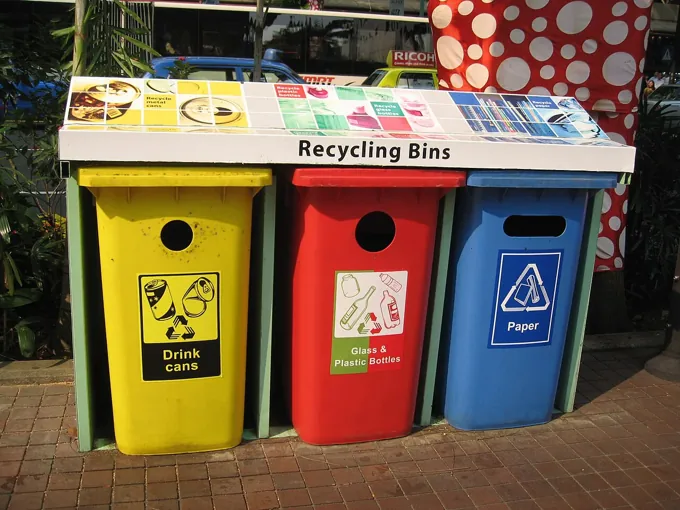
Packaging choices can be improved gradually. Reuse a sturdy shopping bag if you already own one, choose a refill or bulk option when it fits your routine, and check local recycling rules for the package you cannot avoid. A recycling symbol or a general claim about a material does not settle whether your community collects it; local program guidance does. [2]
A week-one plan that stays small
Imagine the week’s notes show that half a bag of spinach regularly wilts. A useful experiment is to buy a smaller amount, plan one meal that uses it early, and place it where it is easy to see. At the end of the week, check whether the change helped. If the spinach still spoils, the issue may be how it is stored or how often the planned meal gets displaced, so adjust one of those variables rather than adding several new rules.
As the routine settles, choose the next repeated source of waste. A kitchen can make meaningful progress through several modest changes that fit real schedules and appetites. The measure is whether less usable food and fewer avoidable materials leave the home over time, not whether every discarded item disappears.
Follow the evidence
Primary sources used in this story. Practical examples are illustrative unless a source states otherwise.
Read our editorial standards. Have a correction? Identify the article and relevant source in your feedback to the site owner.