tree day
Guide
How to organise a swap event?
A successful swap event sets clear item rules, limits how much each person brings, and gives leftovers a planned destination. Start with the audience and venue, then design a fair flow that leaves people with useful goods rather than another pile to sort.
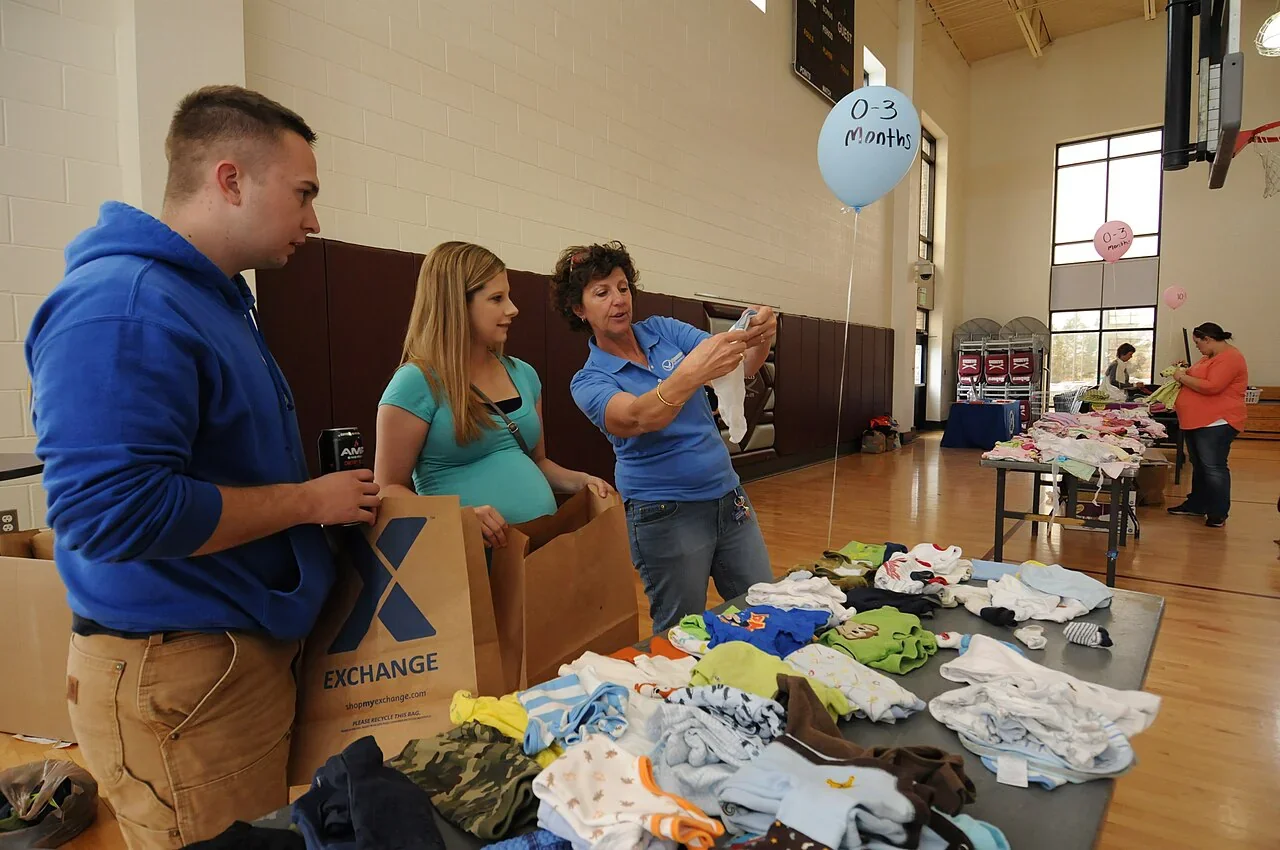
A swap event is easiest to manage when everyone knows what can come in, what can go out and what will happen to leftovers. Begin with a narrow category, such as books, children’s clothing or housewares, rather than inviting every household item at once. A focused event is easier to staff, sort and match with a recipient afterward.
Choose a category and a realistic scale
Decide who the event is for, what items fit and how many people the venue can accommodate. Set limits on quantity per person and define condition standards: clean, complete, safe and ready for another household. Exclude items that are recalled, broken, soiled or difficult to store, and avoid accepting anything that needs specialist handling.
Ask a few potential participants what they would actually bring and want. A community with many families may prefer a children’s clothing exchange; an apartment building may find books or small kitchen items easier to manage. These are planning examples, not guarantees of demand. Let likely participants shape the category before booking supplies.
Create simple rules for fairness
Explain whether people need to contribute to take items, whether each accepted item earns a token and whether there is a free table. Tokens can make exchanges feel fair, but they add counting and can frustrate people whose useful contribution is not equally valued. A no-token model is simpler, though it may favor early arrivals unless you set a reasonable shopping window or reserve access for all attendees.
Publish rules in advance and repeat them at the entrance. If donations are accepted before the event, provide the same condition checklist and avoid promising that everything will be displayed. Sort out-of-scope items immediately so they do not consume the space needed for usable goods.
Lay out the room for movement
Use separate stations for check-in, sorting, browsing and checkout. Label tables by size or category, leave clear paths and have volunteers replenish displays in small batches. Keep fragile goods away from edges and provide a place for bags or boxes that does not block access. If the event includes clothing, provide mirrors and a private way to try items only if the venue can support it comfortably.
A hypothetical 30-person event might use two intake volunteers, two sorters and two people managing the floor, with roles adjusted to the room and expected flow. The point is to assign ownership of each task, not to assume that this staffing number suits every gathering.
Plan the leftovers before opening
Choose a realistic next destination for unclaimed goods before the first item arrives. Contact a charity or reuse organization and ask what it accepts, in what condition and when it can receive a load. Do not assume a donation center can take all leftovers after closing. Keep a fallback plan for items that cannot be reused, following local waste rules.
EPA guidance for recycling emphasizes checking local program rules because accepted materials vary, and it advises confirming with charities about damaged clothing and shoes. [1] Apply the same principle to swap leftovers: verify acceptance rather than leaving bags outside a facility or putting unsuitable items into recycling.
Measure usefulness, not just attendance
After the event, note attendance, how much was taken, the categories people sought and what remained. Avoid treating every item exchanged as a new purchase avoided; that outcome depends on what participants would otherwise have done. Ask one short follow-up question, such as whether people found something they needed or learned what would make a future event more useful.
Use the results to set the next event’s category and size. If books moved quickly while household goods remained, narrow the next round rather than expanding indiscriminately. A good swap ends with fewer useful items sitting unused and a clear plan for whatever remains.
Follow the evidence
Primary sources used in this story. Practical examples are illustrative unless a source states otherwise.
Read our editorial standards. Have a correction? Identify the article and relevant source in your feedback to the site owner.