tree day
Guide
Can pizza boxes be recycled?
Pizza boxes are commonly recyclable when food scraps are removed, but local programs can differ. Learn how to handle grease, leftover food and a box that is too messy to sort.
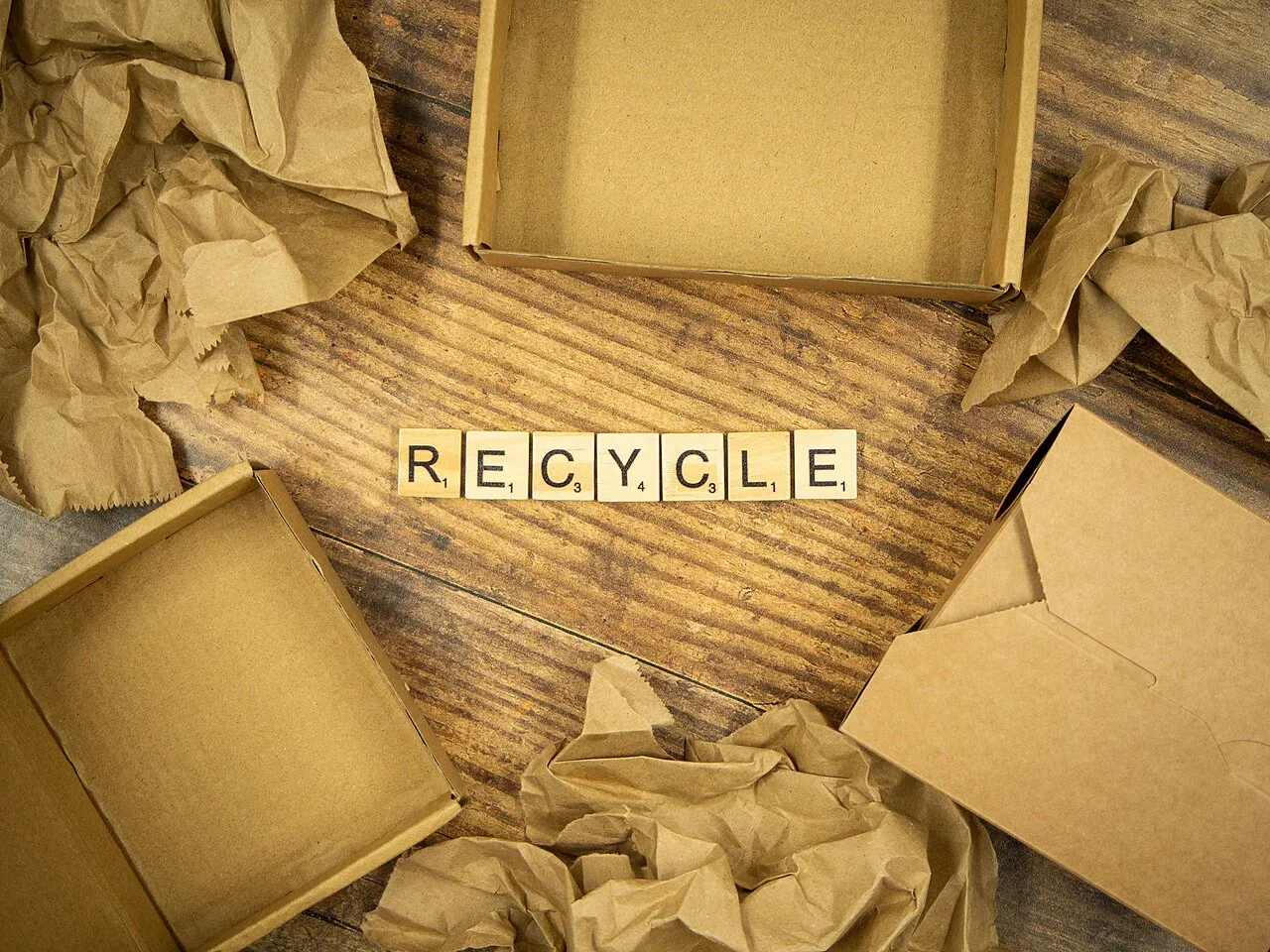
Yes, a pizza box can go in recycling in many places, even if the cardboard has grease marks. The key is to remove food scraps and follow your local program’s instructions. A greasy patch is not the same as leftover cheese or a crust stuck to the box. If the box is heavily soiled, separate the clean cardboard from the affected part when practical, then check what your community accepts.
Grease is different from food scraps
The U.S. EPA says pizza boxes can be recycled even when they have grease on them. Its practical instructions are to remove food scraps and flatten the box before placing it in the bin. That answers the common worry that any visible oil automatically makes a box unusable. [1]
Food residue still matters. Paper and cardboard are sorted and processed as fiber, so a chunk of food left inside is not simply another paper component. For cardboard takeout containers generally, EPA advises scraping or rinsing residue off accepted items and describes “spatula-clean” as clean enough. Check your local provider’s instructions because community rules may differ. [1]
A quick sorting routine after dinner
First, take out leftover slices, crusts, napkins and dipping cups; food itself does not belong in recycling. EPA says food cannot be recycled, and recommends preventing waste where possible or composting food scraps where that service is available. Rules for food-scrap collection vary, so check the local service rather than placing scraps in a recycling cart. [1]
Next, flatten the cardboard. If the box has a clean lid or another clean section and a particularly messy bottom, separate the cleaner fiber from the soiled portion if it tears apart easily. The EPA guidance does not require cutting a box into pieces; flattening is the stated preparation step. When the whole box is too contaminated to sort confidently, use local disposal guidance. [1]
A realistic example: a few oily spots
Suppose a family finishes a pizza and the box has translucent grease circles, but no sauce, cheese or crust remains. Under EPA’s general guidance, the box can be recycled after scraps are removed and the box is flattened. That example distinguishes ordinary grease staining from food still attached to the cardboard. The community’s own instructions remain the final check. [1]
Now suppose a slice spilled, leaving a thick patch of sauce and cheese. Scrape off what you can. If a clean lid separates neatly from the affected bottom, the cleaner cardboard may still be useful, depending on local rules. If the box is saturated or food-covered throughout, do not assume that flattening alone makes it acceptable. Look up the local program’s guidance for contaminated paper and cardboard.
Why flattening helps—and what it does not fix
Flattening pizza boxes makes them easier to handle and is specifically recommended by EPA for recycling. Flattening does not change the material or remove contamination, however. It is a preparation step, not a way to turn a food-filled box into clean fiber. Likewise, putting a box inside another cardboard box does not make it more recyclable. [1]
Avoid putting loose food scraps into the paper bin while sorting. If scraps are edible and safe to keep, saving them for another meal can prevent food waste; EPA recommends eating leftovers as one way to reduce it. If they are no longer usable, check whether your area offers an accepted compost route. [2]
When local instructions deserve the final say
EPA gives general guidance and cautions that community programs may have different rules. The most reliable source for your decision is the recycling provider or local waste agency that handles your collection. That is especially useful if your area gives specific directions about separating box parts or disposing of food-soiled paper. [1]
The common mistake is treating grease as an automatic reason to trash every box—or treating EPA’s general answer as a guarantee for every local cart. Check once, then use the same simple routine: remove food, flatten the box and follow the local rule for any heavily soiled pieces.
Follow the evidence
Primary sources used in this story. Practical examples are illustrative unless a source states otherwise.
Read our editorial standards. Have a correction? Identify the article and relevant source in your feedback to the site owner.