tree day
Guide
How to reduce plastic waste?
Reduce plastic waste by preventing repeat purchases and packaging where practical, then reuse durable items and sort remaining plastics according to local rules. A few targeted changes are more useful than guessing at the recycling bin.
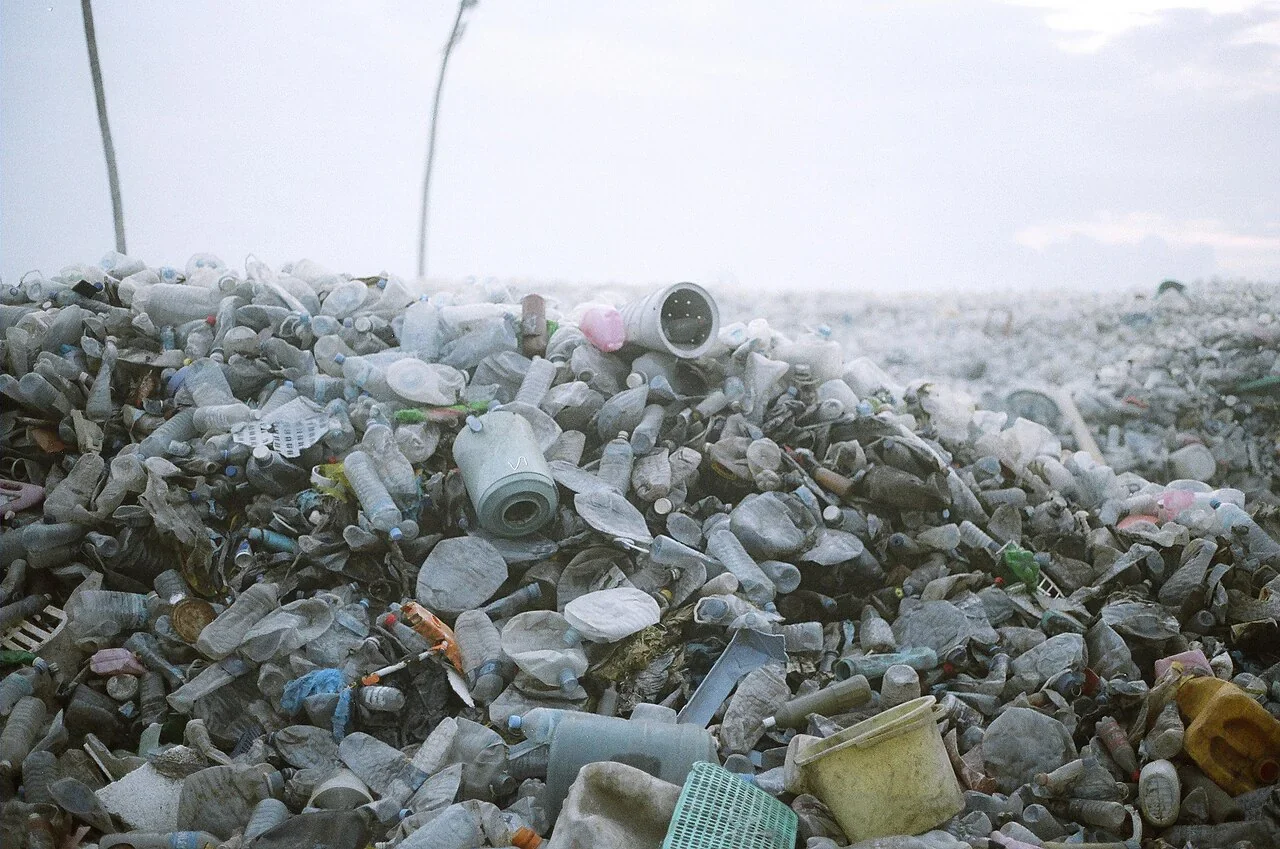
The simplest way to reduce plastic waste is often to avoid a disposable item before it enters the home. Start with one repeat source—such as takeout containers, produce bags, or bottled drinks—and change the routine only if a practical alternative is available. Reuse can help, and recycling can recover some materials, but the right recycling route depends on what your local program accepts.
Find the repeat item first
For a week, notice which plastic items appear repeatedly and why. Is the packaging tied to food you buy on the way home? Do you use a disposable cup because you leave the reusable one behind? A short observation helps distinguish a real opportunity from a change that would add inconvenience or new purchases. Focus on the items you can avoid without disrupting meals, work, or access to needed products.
Then choose one substitution that fits the routine: carry a refillable bottle if clean water and washing are convenient, use a durable shopping bag you already own, or choose a product with less packaging when the alternative is available and suitable. The EPA encourages considering whether a product can be reduced or reused before end-of-life management [1]. The best choice is one you will continue using, not an elaborate system that is quickly abandoned.
Reuse what is already durable
A reusable container, bag, or utensil avoids repeated disposables only when it is used enough to replace them. There is no need to buy a full matching set before trying the habit. Keep one item where the repeat purchase happens—a bag near the door or a food container in a work bag—and see whether the routine sticks. If the item becomes damaged, check whether it can be repaired or safely repurposed before replacing it.
This is not a claim that every reusable item is automatically better in every circumstance. Its manufacture and use have impacts too, and a product that sits unused will not displace much waste. EPA's life-cycle guidance asks purchasers to consider sourcing, manufacturing, transport, product use, and end-of-life, while watching for burden shifting [1]. A durable item that fits a repeated need is a more meaningful choice than buying something because it is marketed as green.
Recycle accepted plastics correctly
When plastic remains, identify the material and check your local collection instructions. The EPA says plastic acceptance varies by community, and the resin number on a container identifies the plastic type rather than guaranteeing that curbside programs collect it [2]. A familiar recycling triangle is therefore not a universal permission to put an item in the bin.
Preparation matters too. The EPA advises checking local rules for plastic containers and removing food residue from accepted items; it describes a “spatula-clean” standard as sufficient for some containers [2]. Plastic bags and film are often not accepted in household bins, though some retail locations may collect them [2]. Do not bundle materials together or improvise a destination based on appearance; use the local provider’s directions for the particular item.
A grocery routine example
Imagine someone buys lunch at work several days each week, and each meal arrives in a disposable plastic container. A practical experiment might be to bring a container from home twice the following week and ask the vendor whether it can be used for the order. If that is inconvenient, perhaps choosing a meal with less packaging or eating at the venue works better. These are hypothetical options, not claims about what every restaurant allows.
The person can also review grocery habits: buy the quantity of food likely to be used, choose bulk where available and appropriate, and avoid packaging that does not serve a real need. Food planning matters because wasted food also wastes the packaging and resources associated with it. EPA recommends planning meals, checking existing supplies, and buying only what is needed to reduce wasted food [3]. This is one way to reduce packaging pressure without focusing only on the plastic item itself.
Handle the hard-to-avoid items safely
Some plastic packaging protects food, medical supplies, or other products, and reducing it may not be realistic. In those cases, prioritize correct sorting and avoid placing nonaccepted items in recycling. Compostable plastic is a separate category: the EPA says it is not intended for conventional plastic recycling and can disrupt the recycling stream; local compost collection may or may not accept it [2]. Follow the exact program instructions rather than treating all plastics as interchangeable.
A manageable next step is to identify the three plastic items you throw away most often, then choose one to prevent or reuse this month. Keep the change if it works, revise it if it does not, and look up local rules for the plastics that remain. Small repeated choices are easier to sustain than a household-wide overhaul begun without knowing what actually gets used.
Follow the evidence
Primary sources used in this story. Practical examples are illustrative unless a source states otherwise.
- US EPA: Institutional purchasers of greener products and services ↗
- US EPA: How do I recycle common recyclables? ↗
- US EPA: Preventing wasted food at home ↗
Read our editorial standards. Have a correction? Identify the article and relevant source in your feedback to the site owner.