tree day
Environment news · Development: 8 Oct 2026
UNEP reviews mercury controls as Minamata Convention reaches its thirteenth year
UNEP reviewed mercury controls ahead of the Minamata Convention’s thirteenth adoption anniversary on 10 October, highlighting existing restrictions and ongoing product phase-outs.
Global / Minamata, Japan
The UN Environment Programme reviewed progress on mercury controls on 8 October, ahead of the Minamata Convention’s thirteenth adoption anniversary on 10 October. Its account highlighted restrictions on mercury-containing products and changes in some small-scale gold mines, while describing mercury pollution as a continuing challenge. [1]
Product controls and mining changes
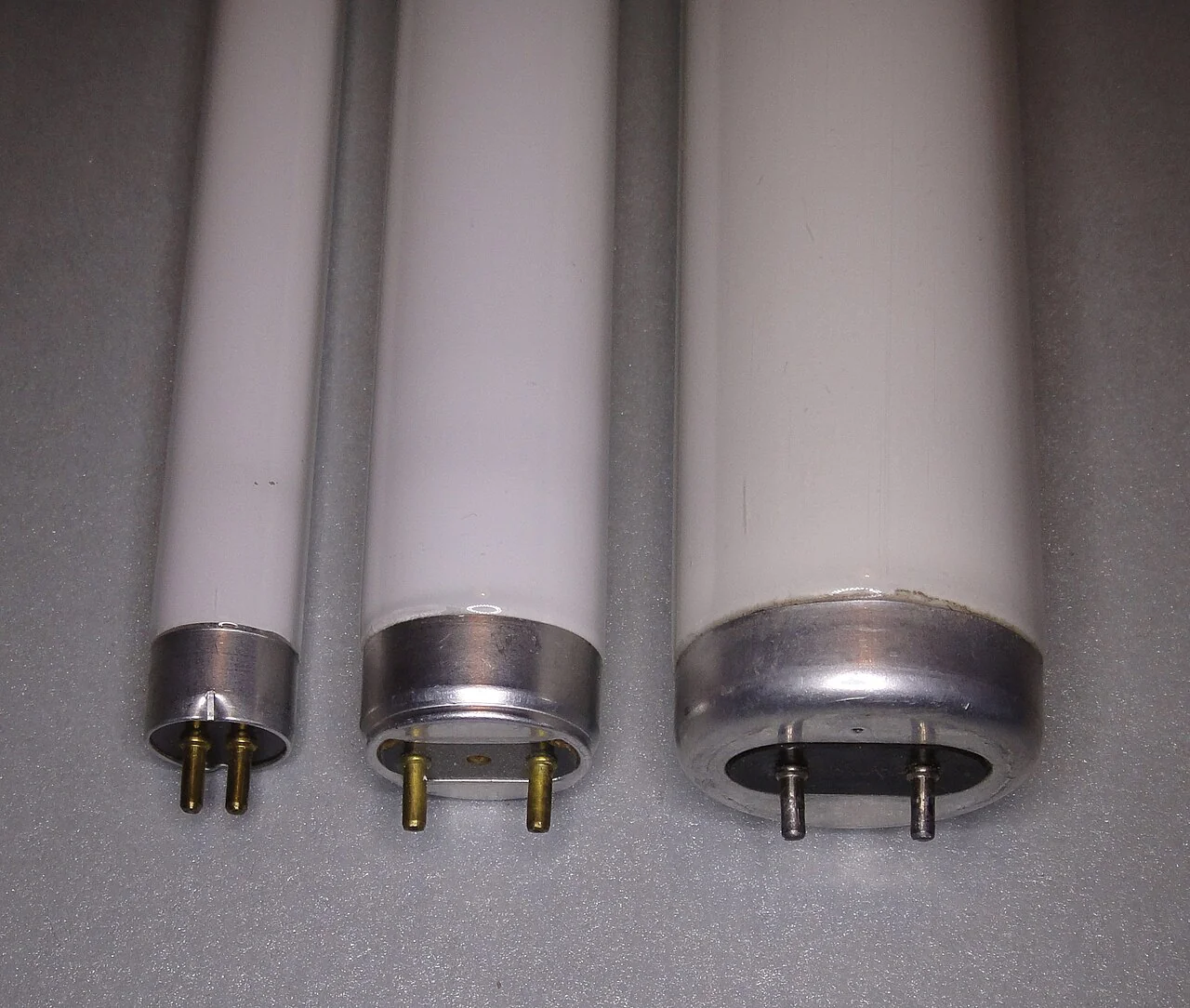
UNEP reported slower mercury trade, a ban on mercury-containing cosmetics that had entered into force, and ongoing phase-outs of mercury-containing fluorescent lamps. It also described some small-scale gold mines switching to alternatives. The convention controls mercury supply, trade and use. [1]
The examples involve different stages of implementation. A product phase-out concerns a change over time; adoption of an alternative at some mines concerns particular operations. Neither should be treated as a single worldwide completion date. Keeping those stages visible makes it easier to follow where further work remains.
An anniversary with two distinct dates
Governments adopted the treaty in Kumamoto, Japan, on 10 October 2013. It entered into force on 16 August 2017. [1] The 2026 anniversary therefore marks adoption, rather than thirteen years of the treaty being in force.
The October review is a progress account, rather than an announcement of a new universal ban. Future reporting on product transitions, trade and mining practices can help connect the treaty’s controls to changes in use. Those details will provide a clearer picture of implementation than an anniversary alone.
Follow the evidence
Primary reporting and background sources. Event dates and publication dates are shown separately above.
- UN Environment Programme: Mercury has long sickened and killed. Could the tide finally be turning? ↗
Read our editorial standards. Have a correction? Identify the article and relevant source in your feedback to the site owner.