tree day
Guide
How to reduce food waste?
Reduce food waste by buying for meals you expect to eat, keeping track of what needs using, and making leftovers easy to see and reuse. Small changes work best when they address the reason a particular food gets discarded.
To reduce food waste, buy food for the meals you realistically expect to eat, use what is already at home, and make leftovers visible before they are forgotten. These steps target the usual points where food is lost: overbuying, poor timing, and meals that are never planned for again. Start with what your household actually discards, then adjust one part of the routine.
Shop from the kitchen you have
Before making a shopping list, check the refrigerator, freezer and pantry. Write down ingredients that need to be used, then build meals around them. Add quantities to the list so that “greens” becomes enough for two lunches rather than an open-ended bag. Account for meals away from home and for whether anyone is likely to eat leftovers; the most detailed plan is not useful if it assumes a week that will not happen.
The EPA recommends planning meals, checking what is on hand, and buying only the food expected to be used. It also notes that bulk offers only save money when the food gets used before it spoils. [1]
Treat leftovers as a planned meal
A leftover container can be a future meal or an anonymous object pushed behind new groceries. Give it a role before it goes into the refrigerator: tomorrow’s lunch, part of a second dinner, or an ingredient for soup or a stir-fry. Store it in a clear container when possible and label it with its contents and date. Put it where it will be noticed, rather than stacking it behind larger items.
Portions are another useful lever. When cooking for a group, start with a reasonable serving and let people take more if they want it. If a dish reliably leaves more than anyone wants to eat, make less next time or plan a specific use for the extra. The point is not to serve too little; it is to avoid preparing a predictable surplus without a destination.
Store for the food’s needs
Storage affects how much time you have to use an ingredient. Some foods need refrigeration; others, such as potatoes, onions and winter squash, are generally better kept in a cool, dry, dark, ventilated place. EPA guidance also describes separating some ethylene-producing fruits from nearby produce that may ripen faster. Use food-specific guidance and your refrigerator’s actual conditions instead of applying one storage rule to everything. [1]
A household could test one change at a time. If mushrooms often deteriorate before use, buy fewer, place them where they are easy to see, and plan a meal that uses them early. If the problem continues, review how they are stored. This is more informative than changing the entire refrigerator at once, because you can see which adjustment made a difference.
Give ingredients a second useful form
Food that is past its prime may still be suitable for cooking, depending on its condition and safe handling. Vegetables can be folded into a soup, sauce or frittata; soft fruit can go into a smoothie or baked dish; stale bread can become croutons. These are options for food that remains suitable to eat, not a reason to ignore signs that something is unsafe or to rely on smell alone.
Freezing can also preserve a surplus that will not be used soon. Divide it into practical portions and label the contents and date so it does not become an unidentified freezer item. The EPA suggests freezing foods such as bread, sliced fruit, meat or leftovers when they will not be eaten in time, and using clear labels to keep track. [1]
When prevention is not enough
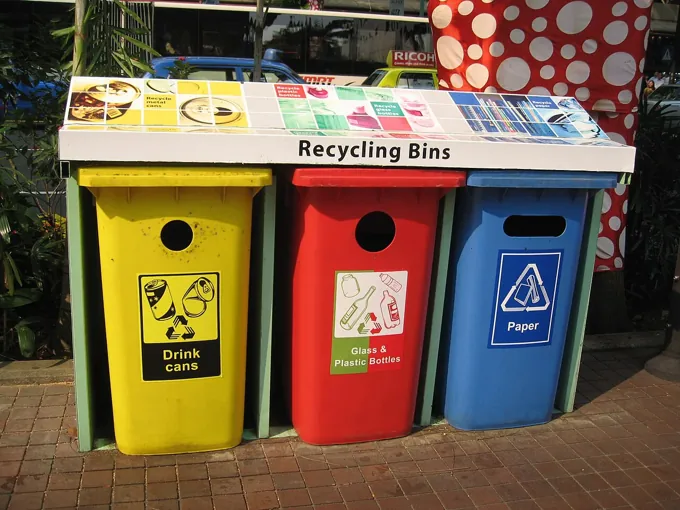
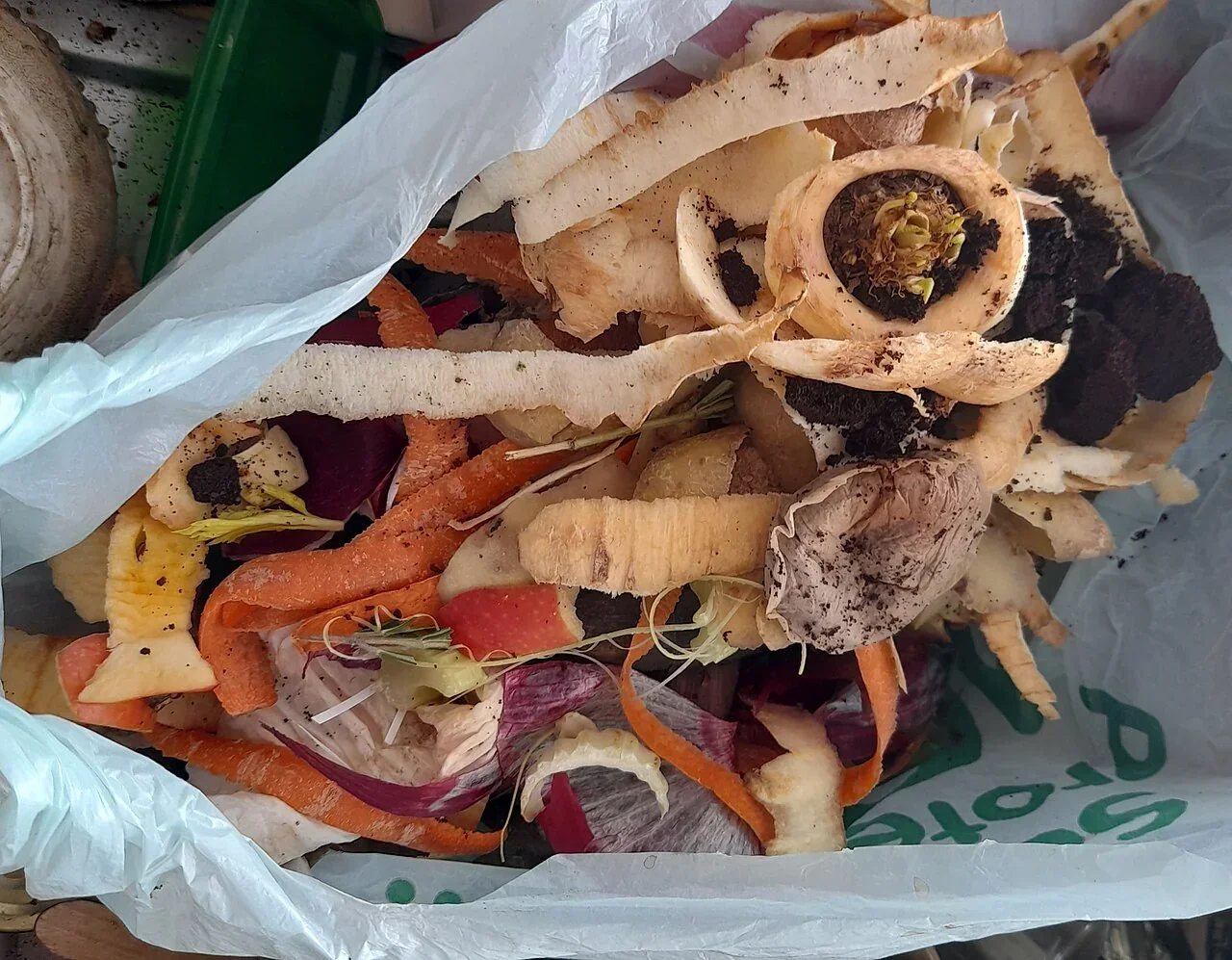
Some food scraps are unavoidable, and not every household has the same composting access. The EPA advises composting food scraps rather than sending them to landfill when possible, but collection rules and acceptable materials vary. Check your local program before adding food, liners or packaging. Food itself should not be placed in curbside recycling simply because it is organic. [2]
A useful review is to look at what remains in the bin after two weeks. If the same ingredient appears repeatedly, change its purchase quantity or assign it to a meal earlier. If many different leftovers are discarded, focus on meal timing and visibility. A small change tied to a recurring cause is more likely to last than a broad promise to waste nothing.
Follow the evidence
Primary sources used in this story. Practical examples are illustrative unless a source states otherwise.
Read our editorial standards. Have a correction? Identify the article and relevant source in your feedback to the site owner.