tree day
Guide
Why old trees matter?
Old trees connect long lives to everyday benefits: shade, cleaner air and water, habitat and a sense of place. Their value also makes careful site choices and care important.
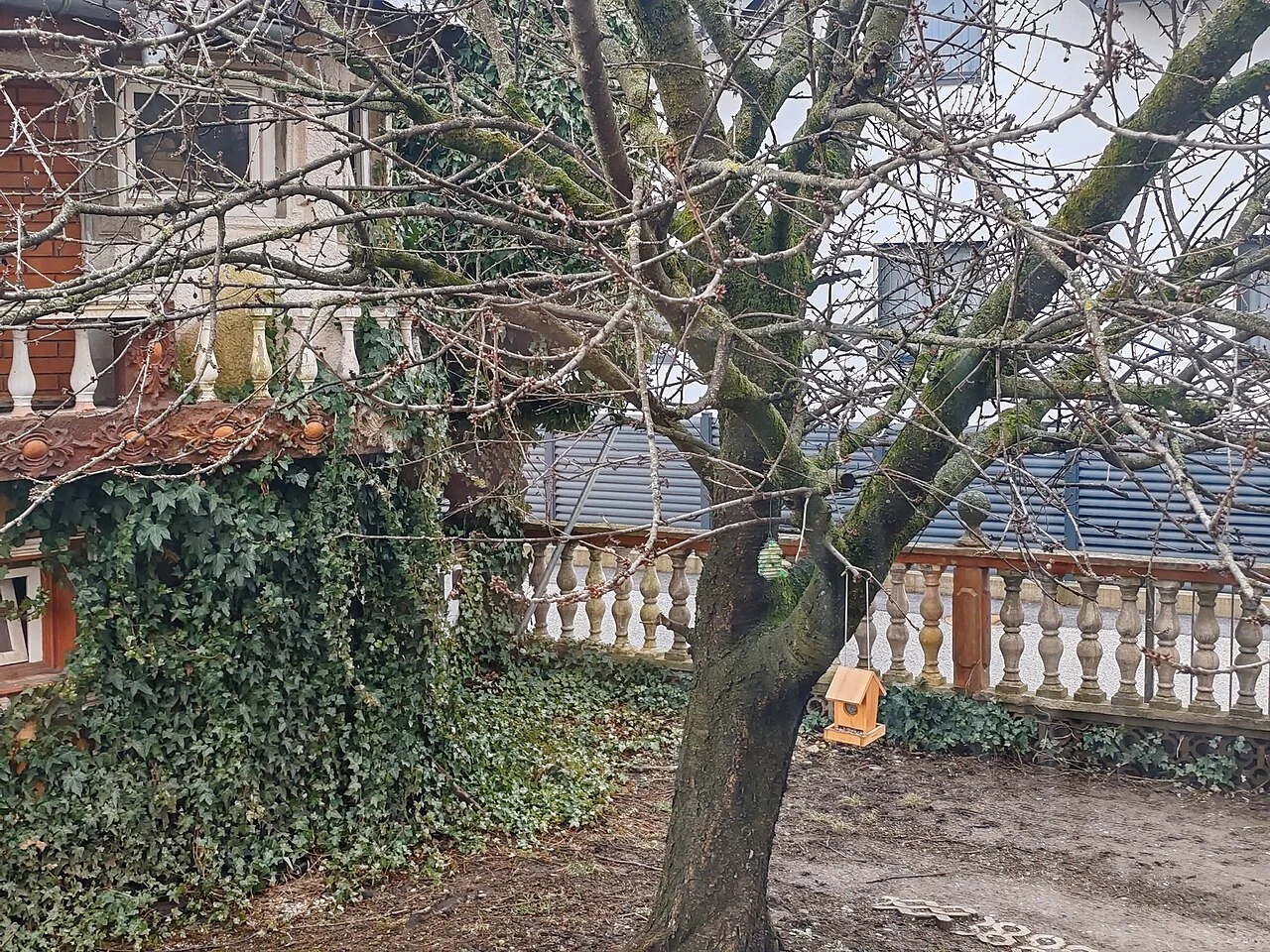
An old tree matters because its value accumulates over time: it has grown into a living structure that shades a place, supports its surroundings and may be difficult to replace quickly. Trees can also help reduce air and water pollution, stormwater runoff and urban heat, while providing windbreaks and habitat. Their long life makes protecting suitable trees a practical choice.
Time builds a larger presence
A young tree can be valuable, but it has not yet occupied the same space or lived through the same seasons as an older one. A mature canopy can shade a wider area and shape how a street, yard or park feels at different times of day. Replacing a large tree with a seedling may preserve the possibility of future benefits, but not the same immediate shade or scale.
New York DEC describes trees as among Earth’s longest-living organisms and lists benefits including shade, reduced air and water pollution, reduced stormwater runoff, and mitigation of the urban heat island effect. Those are general benefits, not a guarantee that every individual tree will produce the same result in every setting. [2]
Benefits show up in daily routines
Shade can make a walk or outdoor space more comfortable, while a tree planted in a suitable position can influence how sun reaches a building. The Arbor Day Foundation’s site guidance notes that deciduous trees on the southeast, southwest and west can provide summer shade while allowing winter sunlight, and that evergreen windbreaks to the north can block cold winter winds. Placement and climate shape whether those effects are useful. [1]
Trees also contribute beyond a property line. Their roots and canopy interact with rain, soil and air, while the tree itself can offer habitat. A tree in a narrow paved site faces different constraints from one in open ground; species, mature size, soil, sunlight, utilities and available root space all shape what it can do. [2]
Age makes continuity possible
A long-lived tree can give a place a landmark and continuity across generations of residents. That is a human benefit as much as a visual one: people use a familiar shade tree as a meeting point, notice the seasons through it, or remember a street before it changed. No statistic is needed to recognize that removing an established feature changes how a place is experienced.
Continuity does not mean every old tree is safe or suited to remain in every circumstance. Trees can be damaged by storms, pests, disease or changes around their roots. When health or structural concerns arise, an arborist can assess the condition and explain options. The Arbor Day Foundation distinguishes tree-care professionals who work on maintenance from consulting arborists who diagnose and advise. [1]
Protect the conditions that sustain it
Construction and landscaping can affect roots even when the trunk is untouched. Roots often extend beyond the canopy and occupy shallow soil, so storage, compaction and excavation near an older tree deserve advance planning. Site constraints should be reviewed with an arborist before major work, especially where a tree is intended to remain. [2]
A useful hypothetical case is a homeowner planning a new path beneath an established canopy. Before choosing the route, they could identify utility locations, consider how construction traffic will reach the area, and ask an arborist whether the design risks major roots. Small design changes made early may help preserve the tree’s growing conditions.
Choose the right response to age
Age alone is not a maintenance plan. An old tree in a suitable site may need protection from avoidable root disturbance; another may need professional assessment because of visible damage or decline. Avoid assuming that heavy pruning, added fertilizer or extra watering will extend life without identifying the actual need. Regional pests and diseases vary, so local expertise matters when symptoms appear. [1]
If an old tree is important to your home or neighborhood, first note its condition and any nearby planned work. Then ask a local arborist to assess specific concerns and help protect the site conditions the tree depends on.
Follow the evidence
Primary sources used in this story. Practical examples are illustrative unless a source states otherwise.
Read our editorial standards. Have a correction? Identify the article and relevant source in your feedback to the site owner.