tree day
Environment news · Development: 29 Oct 2026
UN report records 252 million hectares under restoration worldwide
A new UN report documents restoration efforts across 149 countries and more than a million green jobs, while calling for faster progress towards 2030 goals.
Global
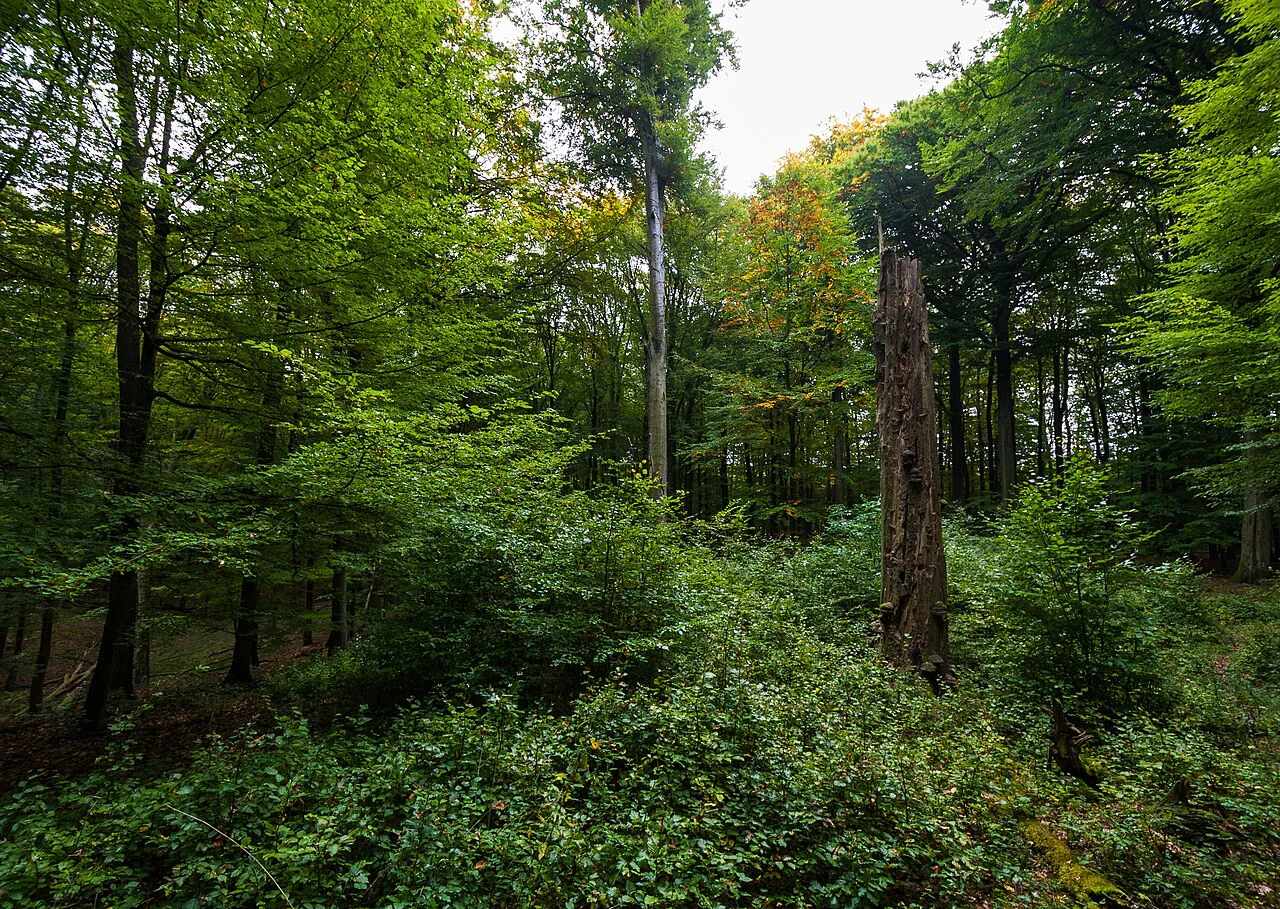
A UN report released on 29 October documented 252 million hectares under restoration across 149 countries, creating more than one million green jobs. Published by UNEP, FAO and the Convention on Biological Diversity secretariat, Nature’s Comeback calls for faster action towards global restoration goals. The area figure describes land being restored, rather than confirming that every ecosystem has recovered. [1]
What the October report counts
The report, Nature’s Comeback, was published by the UN Environment Programme, the Food and Agriculture Organization and the Secretariat of the Convention on Biological Diversity. It records restoration activity covering 252 million hectares in 149 countries and links that work to over a million green jobs. The report calls this the largest documented global restoration effort to date. That is a measure of reported activity, not a declaration that all those hectares have recovered. [1]
The figures sit within wider commitments to restore around one billion hectares and to put at least 30 percent of degraded terrestrial, freshwater, marine and coastal ecosystems under effective restoration by 2030. Those commitments concern different things: one tracks area pledged or addressed, while the other sets a goal for how much degraded ecosystem should be under effective work. Neither is equivalent to a finding that a landscape has regained its former condition. [1]
A project underway is a beginning
Ecosystem restoration means helping degraded or destroyed ecosystems recover, while also conserving places that remain intact. It can involve planting, but it can also mean removing the pressure that prevents natural recovery. The right method depends on what caused the damage: planting trees will not solve polluted water, and fencing an area may not restore a wetland if its water flow remains altered. [2]
Nor is returning to a single historical state always possible or desirable. Land may now support farms, homes or infrastructure, while climate conditions have changed. The practical aim is to improve ecological function and biodiversity in a way that can last and fit present needs, rather than to treat a past landscape as a blueprint for every site. [2]
The uneven picture across ecosystems
The report says documented progress is concentrated on land. Terrestrial restoration has reached nearly half of the global target for degraded terrestrial ecosystems. By contrast, it records 11 million hectares of freshwater ecosystems and 5.7 million hectares of marine and coastal ecosystems under restoration, across 62 and 46 countries respectively. The report cautions that limited aquatic reporting may mean those figures understate activity. [1]
These differences should not be read as a simple ranking of which places care most or work hardest. Reporting capacity and the scale of regional activity affect the totals. The report identifies freshwater, marine and coastal ecosystems as areas needing greater focus, and says annual restoration finance would have to rise more than fourfold, from US$64 billion to US$296 billion by 2030, to meet restoration needs. [1]
Why monitoring changes the meaning of progress
A hectare counted at the start of a project says little by itself about what happens later. Monitoring can ask whether the original pressure has eased, whether water and soil conditions are improving, whether native plants and animals are returning, and whether benefits persist through dry years or other disturbances. Different ecosystems require different signs of recovery; a planted tree count cannot stand in for a measure of a functioning forest.
The global report draws on government-endorsed information submitted through international reporting processes and data from restoration initiatives. It also calls for investment in monitoring to ensure the durability of restoration. That makes the evidence base part of the work: if a project does not track outcomes over time, decision-makers and communities have less basis for learning which interventions help and where support is still needed. [1]
Stewardship is the long part
Restoration can outlast a grant, a planting day or a political cycle. The report says durable work requires sustained effort beyond 2030, secure land tenure and participation that gives Indigenous Peoples and other rights-holders authority, recognises their knowledge and protects their rights. Those are not ceremonial extras. People who live with a landscape need a real role in decisions about access, maintenance and how results are judged. [1]
For a local project, a useful next question is not only “How many acres?” but “Who will care for this place, what will they monitor, and who can change the plan if the first method fails?” A wetland that holds water more reliably, or a community woodland with a locally agreed maintenance plan, may show progress that an area figure alone cannot convey. Those examples are hypothetical; the relevant indicators must be chosen for each place.
Follow the evidence
Primary reporting and background sources. Event dates and publication dates are shown separately above.
- UNEP: Nature restoration progress report, 29 October 2026 ↗
- UN Decade: What is ecosystem restoration? ↗
Read our editorial standards. Have a correction? Identify the article and relevant source in your feedback to the site owner.