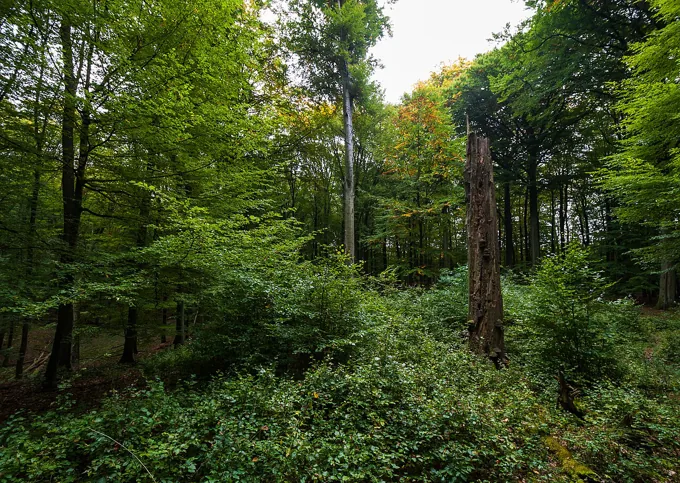
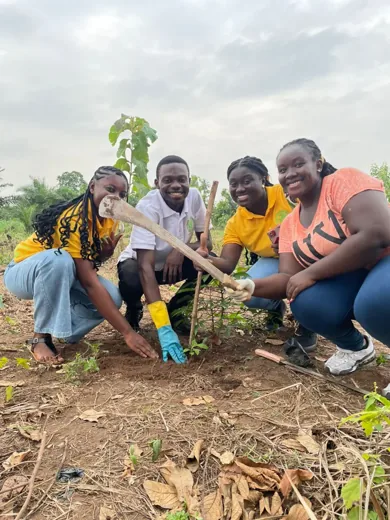
A new UN report documents restoration efforts across 149 countries and more than a million green jobs, while calling for faster progress towards 2030 goals.
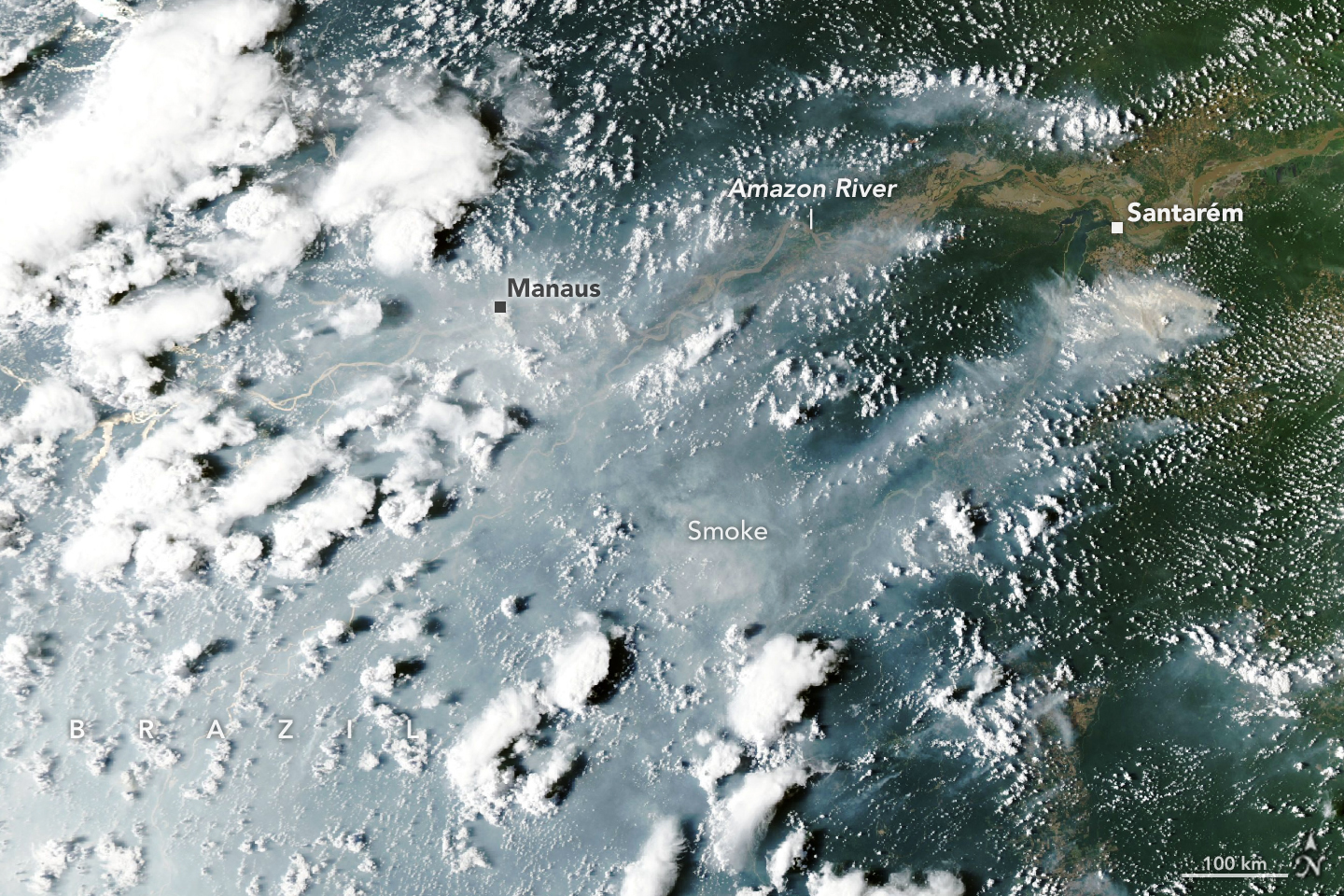
NASA reports increased fire activity and smoke across parts of the central and eastern Amazon, with an October satellite image showing smoke along the river near Manaus and Santarém.
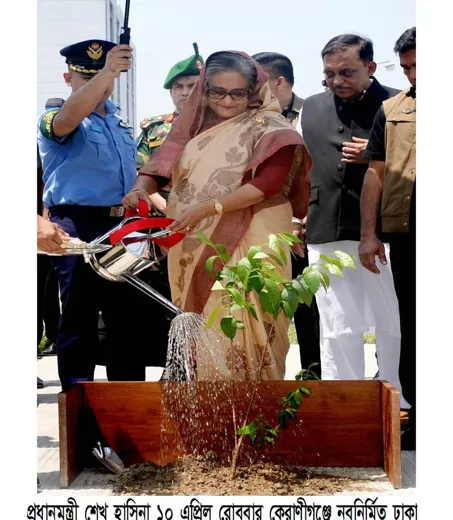
A healthy planting starts with matching the tree to its site, preserving its roots and setting the trunk flare at ground level. Here is a practical sequence for choosing, planting and caring for a young tree.
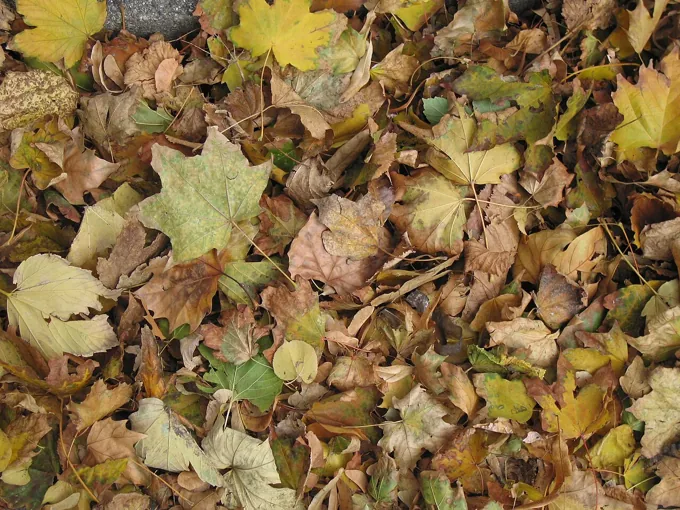
Leaves change color as seasonal conditions alter the pigments visible in them. Chlorophyll’s green fades as it breaks down, revealing other pigments; color and timing vary with species and local conditions.
For many trees, a cool dormant period gives roots time to settle before heat or active growth adds stress. The right window depends on local ground conditions, species, stock type and the care you can provide.
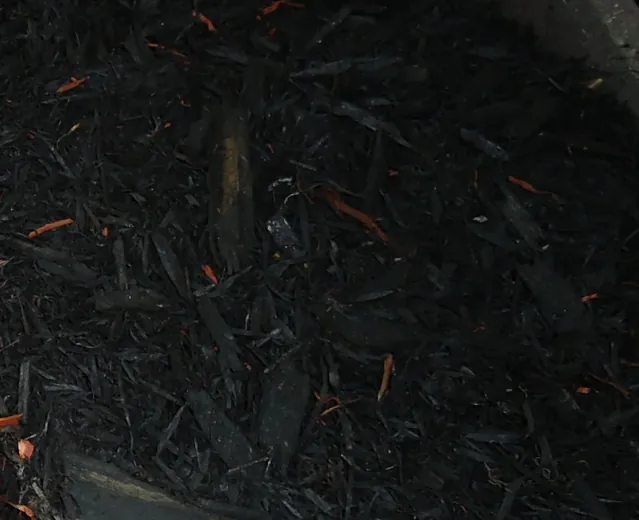
A shallow, broad mulch layer can buffer soil temperature, conserve moisture and reduce grass competition. Keep it away from the trunk and flare, where piled mulch can trap moisture and contribute to damage.
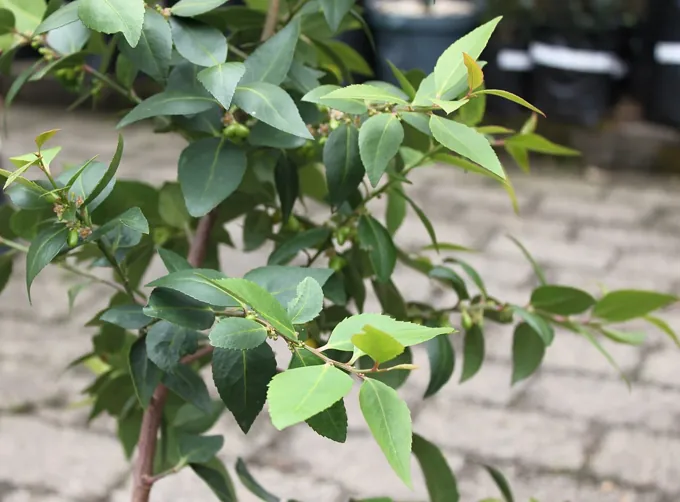
Identify a tree by combining several features, especially leaves, arrangement, bark, fruit and overall form. Record what you can observe across seasons, and use a regional guide to narrow the possibilities.
Deciduous trees shed leaves seasonally, while evergreens retain foliage across seasons. Choose between them by considering shade, winter light, screening, local climate and the space available for mature growth.
A small garden can support a tree if its mature size and growing conditions fit the site. Start with the job you want the tree to do, then check the space above and below ground.
A physical barrier is a practical starting point when deer browse young trees. Choose protection that keeps animals from reaching the tree, leave room for growth, and inspect it regularly so it does not rub or become a trap.
Set a tree so the trunk flare—the widening where the main roots begin—sits at the finished soil line. The planting hole should support that height without leaving the root ball perched or buried.
Native trees can help wildlife when they suit the local climate and planting site. Choose for regional fit and habitat needs, then give the tree enough room and care to establish.
Clay soil can hold water and compact, so choose a tree suited to the site and make room for roots without creating an amended pocket that behaves unlike the surrounding ground. Check drainage and moisture before planting.
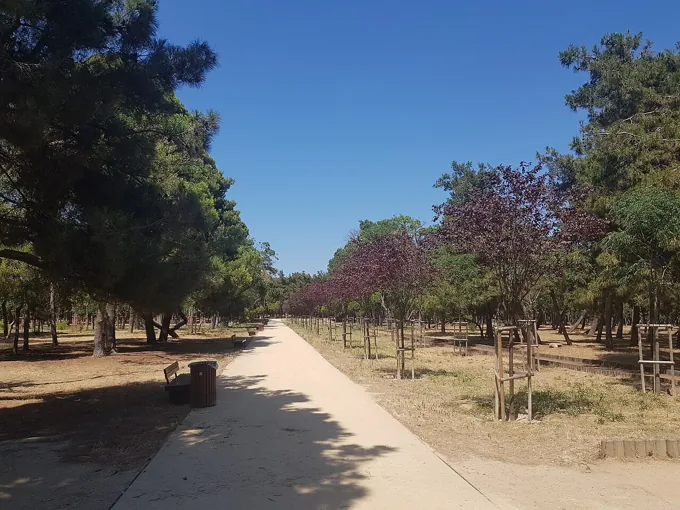
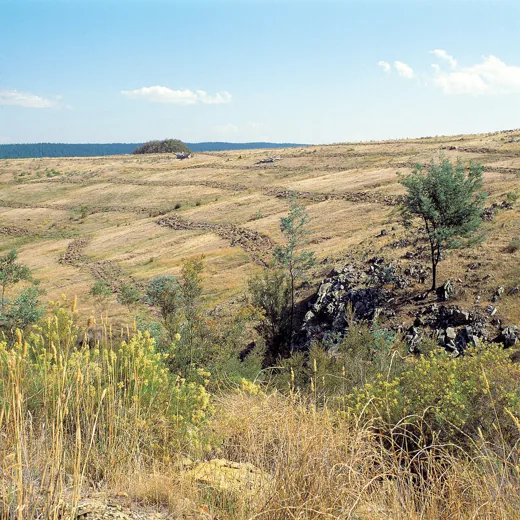
Reforestation restores tree cover where forest has been lost; afforestation establishes it where forest was not recently present. The distinction matters because the right choice depends on the land’s history, ecology and long-term care.
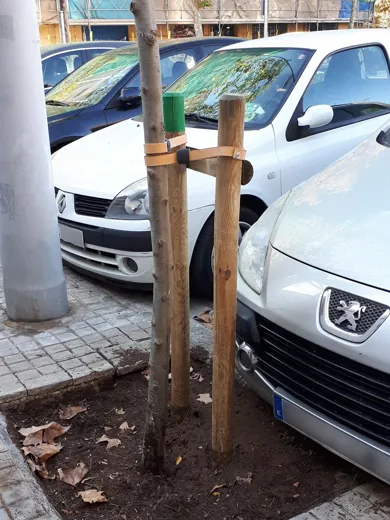
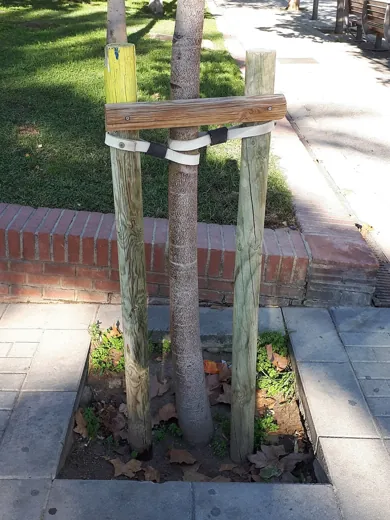
Remove stakes and ties once the tree can stand securely without support, taking care not to pull against the trunk or damage roots. Check for rubbing and instability first; ask an arborist if the tree still leans or shifts.
Trees take in carbon dioxide through leaf pores and use carbon from it in photosynthesis. Some carbon becomes part of woody growth and roots, while stored carbon can return to the atmosphere as tissues decay or burn.
Most newly planted trees do not need support, but staking can help where wind, mower damage or vandalism pose a real risk. Decide based on movement and exposure, and keep any support temporary and flexible.
Many deciduous trees shed leaves as seasonal conditions change and continued leaf maintenance becomes less useful. Leaf drop is normal for these trees, though timing and pattern vary by species and local conditions.
 tree day