tree day
Guide
Deciduous vs evergreen trees?
Deciduous trees shed leaves seasonally, while evergreens retain foliage across seasons. Choose between them by considering shade, winter light, screening, local climate and the space available for mature growth.
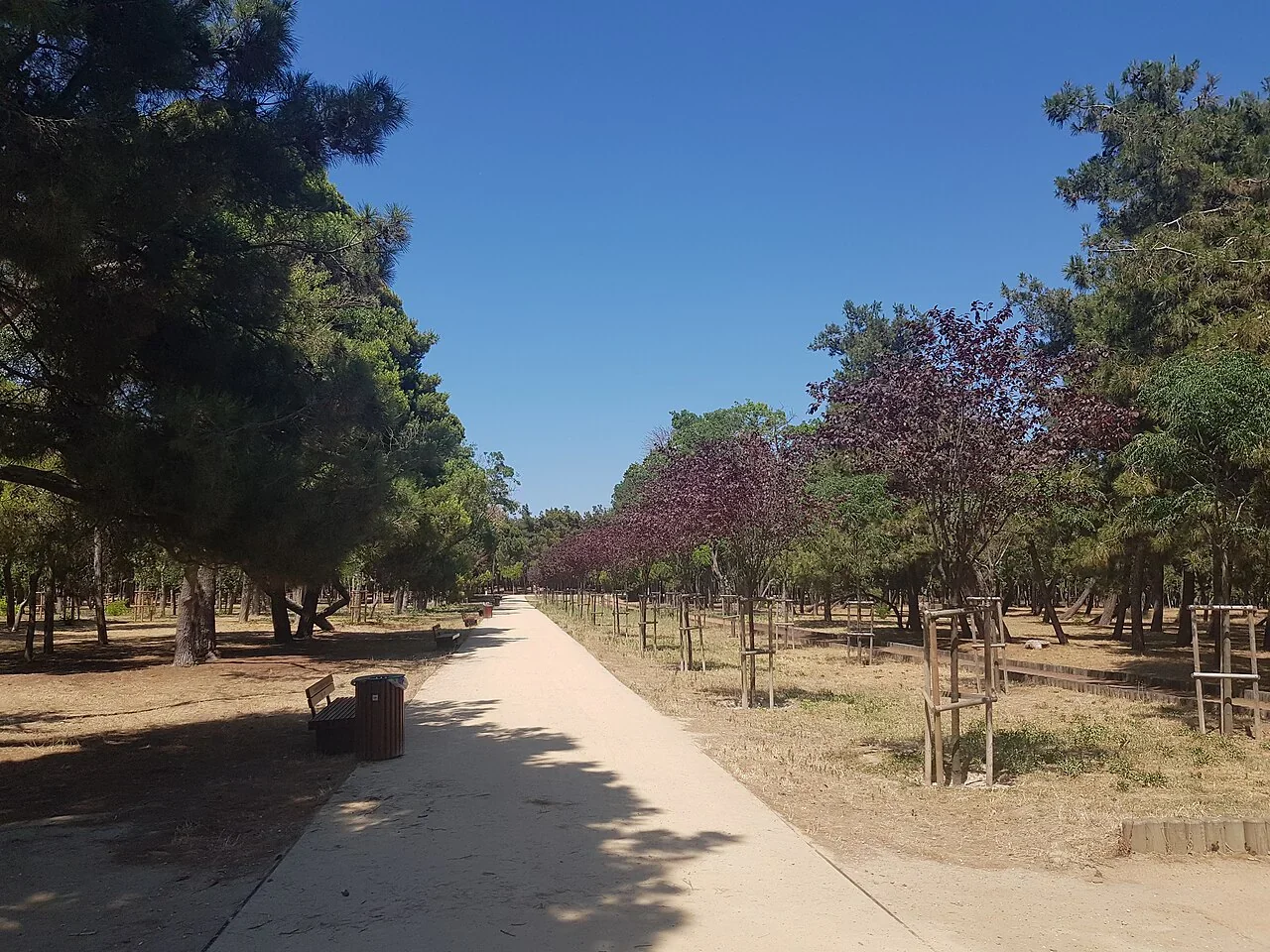
The practical difference is what happens to a tree’s foliage over the year: deciduous trees shed leaves seasonally, while evergreens keep foliage through the year, though they still replace older leaves or needles. That affects shade, winter light and screening. The better choice depends on your purpose and site, not on a universal ranking of one type over the other.
What the two terms describe
Deciduous describes trees that lose their leaves during a seasonal cycle. Evergreen describes trees that retain foliage across seasons. “Evergreen” does not mean that each needle or leaf lasts forever; older foliage is replaced over time, often without the whole tree becoming bare at once.
The Arbor Day Foundation’s guidance on tree selection treats the tree’s purpose and planting site as key decisions, including mature size, sun and soil. [1] That is a useful frame for comparing these categories: their differences matter because they shape how a tree functions in a particular yard.
Shade and winter light
A deciduous canopy can provide shade during warm months and allow more sunlight through after leaf fall. The Arbor Day Foundation specifically notes that large deciduous trees placed to the southeast, southwest or west can provide summer cooling shade without blocking warming winter sunlight. [1] The effect depends on where the tree is planted, how large it grows and the layout of nearby buildings.
For example, in a hypothetical home with a sunlit west-facing window, a suitable deciduous tree might reduce direct summer exposure while leaving the window brighter in winter. That is a planning example rather than a guaranteed energy result; building design, tree size and local climate all affect the outcome.
Screening and wind protection
Evergreens keep a visual screen through more of the year, which may suit a boundary where privacy matters in winter as well as summer. The Arbor Day Foundation describes an evergreen windbreak to the north as a way to block cold winter winds. [1] A screen or windbreak still needs sufficient room, and its value depends on prevailing conditions and the tree’s eventual size.
Deciduous trees can also screen views while in leaf, but their effect changes after leaf fall. If year-round screening is central to the decision, compare evergreen options that suit the local climate and soil rather than assuming every evergreen will thrive in a given spot.
Site conditions decide whether either type fits
Both categories need the right planting location. Check mature height and spread, soil, sun exposure, utilities, nearby structures and wind. The DEC recommends assessing these factors before selecting a species and notes that most tree roots occupy the top 18 inches of soil and extend beyond the canopy width. [2] The planting area must work above and below ground.
A narrow garden may not suit a broad tree of either kind. Likewise, a sunny, dry site may rule out some candidates regardless of whether they are deciduous or evergreen. If digging is involved, use the appropriate local service to locate underground utilities before starting.
Choose for the year you live with
The main trade-off is seasonal change. Deciduous trees offer changing light and seasonal color, but shed leaves that may need to be managed. Evergreens offer more consistent foliage and screening, but can block winter light where that matters. Neither choice is automatically lower maintenance or better for every home.
Write down the function you value most—summer shade, winter sun, privacy or wind screening—and observe the site through the seasons. Then ask a local nursery or extension office to help identify species that fit the soil, climate and mature space. The Arbor Day Foundation emphasizes choosing a tree that can thrive where it will be planted. [1]
Follow the evidence
Primary sources used in this story. Practical examples are illustrative unless a source states otherwise.
Read our editorial standards. Have a correction? Identify the article and relevant source in your feedback to the site owner.