tree day
Guide
Trees for small gardens?
A small garden can support a tree if its mature size and growing conditions fit the site. Start with the job you want the tree to do, then check the space above and below ground.
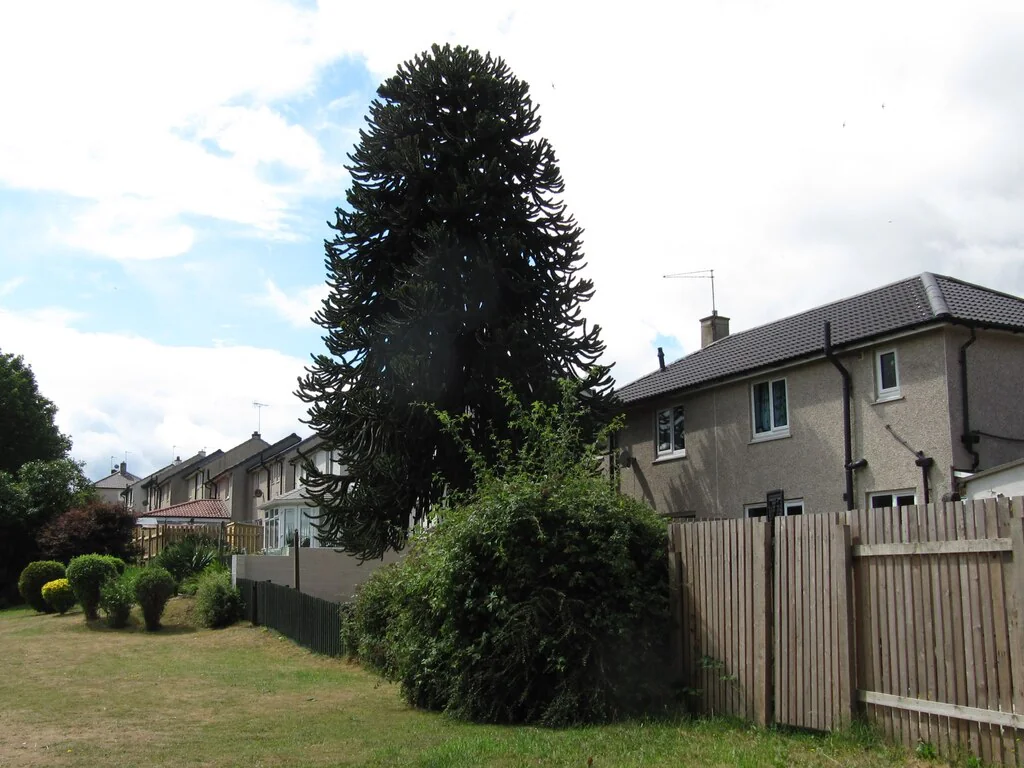
Yes, a small garden can have a tree, but the right choice is usually determined by the tree’s mature spread, roots, light and soil—not the size of the sapling at the nursery. First decide whether you want shade, flowers, privacy or seasonal interest. Then measure the usable space and choose a tree suited to it. A tree that fits only while young will eventually compete with paths, buildings or overhead lines.
Plan for the full-grown tree
A young tree can make almost any corner look available. Its mature canopy and root system tell a different story. Before choosing a species, note the space between buildings, paving and other plants, along with overhead wires and the amount of sun the site receives. The Arbor Day Foundation recommends considering the tree’s purpose, mature height and spread, hardiness zone, sun exposure and soil conditions. [1]
For example, a hypothetical narrow garden beside a house might need a compact flowering tree rather than a broad shade tree. The decision still depends on the particular species or cultivar and local conditions; a label that says “small” is not a guarantee that the tree will remain small enough for a tight site.
Give the tree a useful job
A tree can provide shade, screen a view, frame a garden or offer flowers and fruit. Those purposes lead to different choices. The Arbor Day Foundation notes that large deciduous trees can provide summer shade while allowing winter sun, and that evergreen trees planted as a northern windbreak can block cold winds. [1] In a small garden, one tree may need to serve more than one purpose, but it should still have room to grow.
Imagine a sunny patio where afternoon shade matters most. A deciduous tree with a canopy suited to the patio might offer shade in warm months and more light after leaf fall. A privacy screen, by contrast, calls for a different shape and possibly evergreen foliage. Decide which benefit matters most before comparing nursery options.
Match roots to the site
Roots need room as well as the canopy. New York’s Department of Environmental Conservation says most tree roots are in the top 18 inches of soil and extend beyond the canopy width. It advises checking for nearby structures, utilities, soil conditions, sunlight, wind exposure and road salt before selecting a tree. [2]
A narrow strip between a fence and a paved path may leave too little space for the roots, even if the crown seems manageable. If you are considering digging, arrange utility location through the appropriate local service before breaking ground. Where there is little room for roots, the DEC describes structural soil and trenches as approaches used in constrained sites; whether either is appropriate depends on the setting. [2]
Planting well is part of choosing well
A suitable species can still struggle if planted too deeply or in the wrong conditions. The DEC recommends keeping the trunk flare—the point where the roots begin to branch from the trunk—at the soil line. It also advises watering as soil is returned to the planting hole, then using mulch without piling it against the trunk. [2]
Mulch helps insulate soil, retain moisture, suppress weeds and reduce mower damage, according to the Arbor Day Foundation. Its guidance describes a two-to-four-inch layer, kept clear of the trunk. [1] These details matter especially in a compact garden, where turf, paving and planting beds may compete for the same space.
Make the next choice local
A common mistake is choosing by the tree’s current height or flower color alone. A more reliable shortlist includes mature height and spread, soil and light needs, local hardiness and the space available for roots. Species suited to one region may not thrive in another, and site conditions can differ sharply within the same neighborhood.
Measure the proposed planting area, note sun and soil conditions, and check overhead and underground constraints. Then ask a local nursery, extension office or qualified tree professional to help compare species that fit those observations. The DEC recommends local guidance for choosing a tree for a particular site. [2]
Follow the evidence
Primary sources used in this story. Practical examples are illustrative unless a source states otherwise.
Read our editorial standards. Have a correction? Identify the article and relevant source in your feedback to the site owner.