tree day
Guide
Why do leaves change color?
Leaves change color as seasonal conditions alter the pigments visible in them. Chlorophyll’s green fades as it breaks down, revealing other pigments; color and timing vary with species and local conditions.
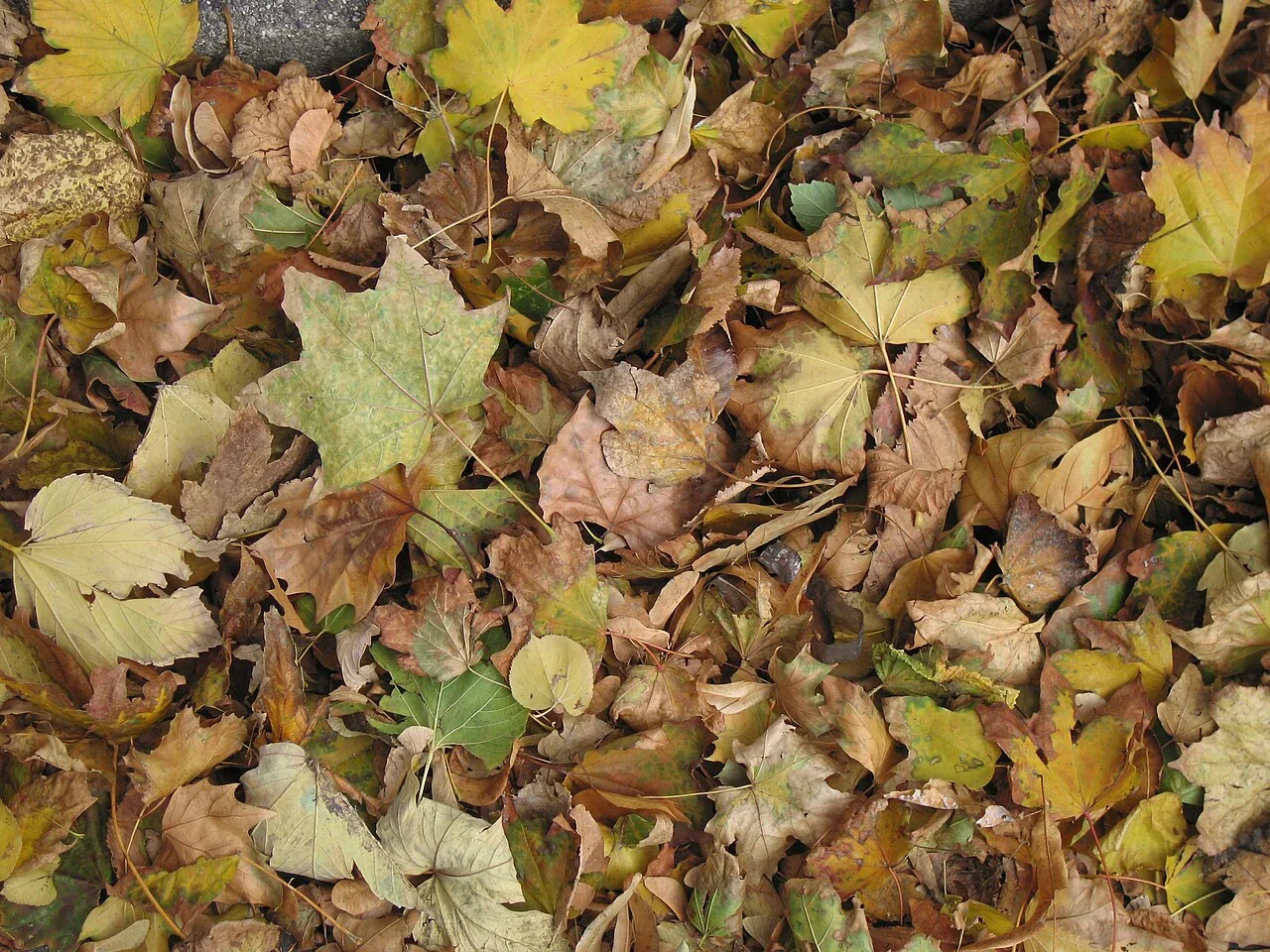
A green leaf turns yellow or red because its pigments change in visibility and abundance as the season shifts. During the growing season, chlorophyll helps capture light for photosynthesis and gives leaves their green color. As days shorten and conditions change, many deciduous trees stop replacing chlorophyll; as it fades, yellow and orange pigments become easier to see, while red pigments may develop in some leaves.
Green is the dominant signal in summer
A leaf contains pigments that absorb and reflect different parts of light. Chlorophyll is abundant while a leaf is active in the growing season, so its green color tends to dominate what we see. The leaf uses light energy to help convert carbon dioxide and water into sugars, which support growth and maintenance. [2]
This process happens in leaves, but a tree’s seasonal behavior reflects its species and environment. The Arbor Day Foundation distinguishes deciduous trees, which lose their leaves seasonally, from evergreens that retain foliage through the year; that distinction shapes when a tree displays a fall color change. [1]
As chlorophyll fades, other colors show
Many leaves also contain yellow and orange pigments, including carotenoids, during summer. They can be present while the leaf is green but masked by the stronger visual effect of chlorophyll. When chlorophyll breaks down in autumn, those colors become more visible. The particular mix depends on the tree and leaf.
That is why two neighboring trees can shift to different shades, and why a single tree may not turn uniformly. The change is not a simple paint swap: pigments already present become more visible, and in some species red pigments are produced during autumn under particular conditions.
Red is not the same process as yellow
Yellow and orange often appear when chlorophyll fades and carotenoids remain visible. Red and purple tones are associated with anthocyanins, which some leaves make in fall. Their production varies, so red coloration is not equally strong in every species or year.
This distinction helps explain why a landscape can show a range of colors at once. A tree with mostly yellow leaves may be revealing pigments that were already present, while a red leaf may involve seasonal pigment production. Color alone is not a reliable way to identify a species; use leaf shape, arrangement, bark and other features together.
Weather changes the show, not the basic mechanism
Seasonal timing and color intensity vary with species and local conditions. Temperature, light and moisture can influence how long leaves remain attached and how strongly colors develop, but a general seasonal pattern cannot predict exactly what a particular tree will do. A warm spell, dry period or early cold snap can change the timing or appearance from year to year.
The useful distinction is between the underlying process and its local expression: chlorophyll fades as trees prepare for leaf fall, while the color and calendar depend on species and conditions. Tree-care guidance emphasizes that tree needs and health issues differ by region, reinforcing the importance of local context. [1]
Observe the transition across the season
To understand a tree’s color pattern, revisit the same branches over several weeks. Note when the first leaves change, whether color begins near the crown or lower branches, and whether the whole canopy changes together. A photo from the same viewpoint makes comparisons easier.
If a tree changes color unusually early or unevenly, that observation alone does not establish a problem. The Arbor Day Foundation notes that tree diseases and pests differ significantly by region and can be difficult to diagnose. [1] Record the pattern and consult a local arborist or extension service if other signs of decline accompany it.
Follow the evidence
Primary sources used in this story. Practical examples are illustrative unless a source states otherwise.
- Arbor Day Foundation: Tree care and maintenance ↗
- Harvard Arnold Arboretum: Each year in the forest—autumn ↗
Read our editorial standards. Have a correction? Identify the article and relevant source in your feedback to the site owner.