tree day
Guide
How to protect young trees from deer?
A physical barrier is a practical starting point when deer browse young trees. Choose protection that keeps animals from reaching the tree, leave room for growth, and inspect it regularly so it does not rub or become a trap.
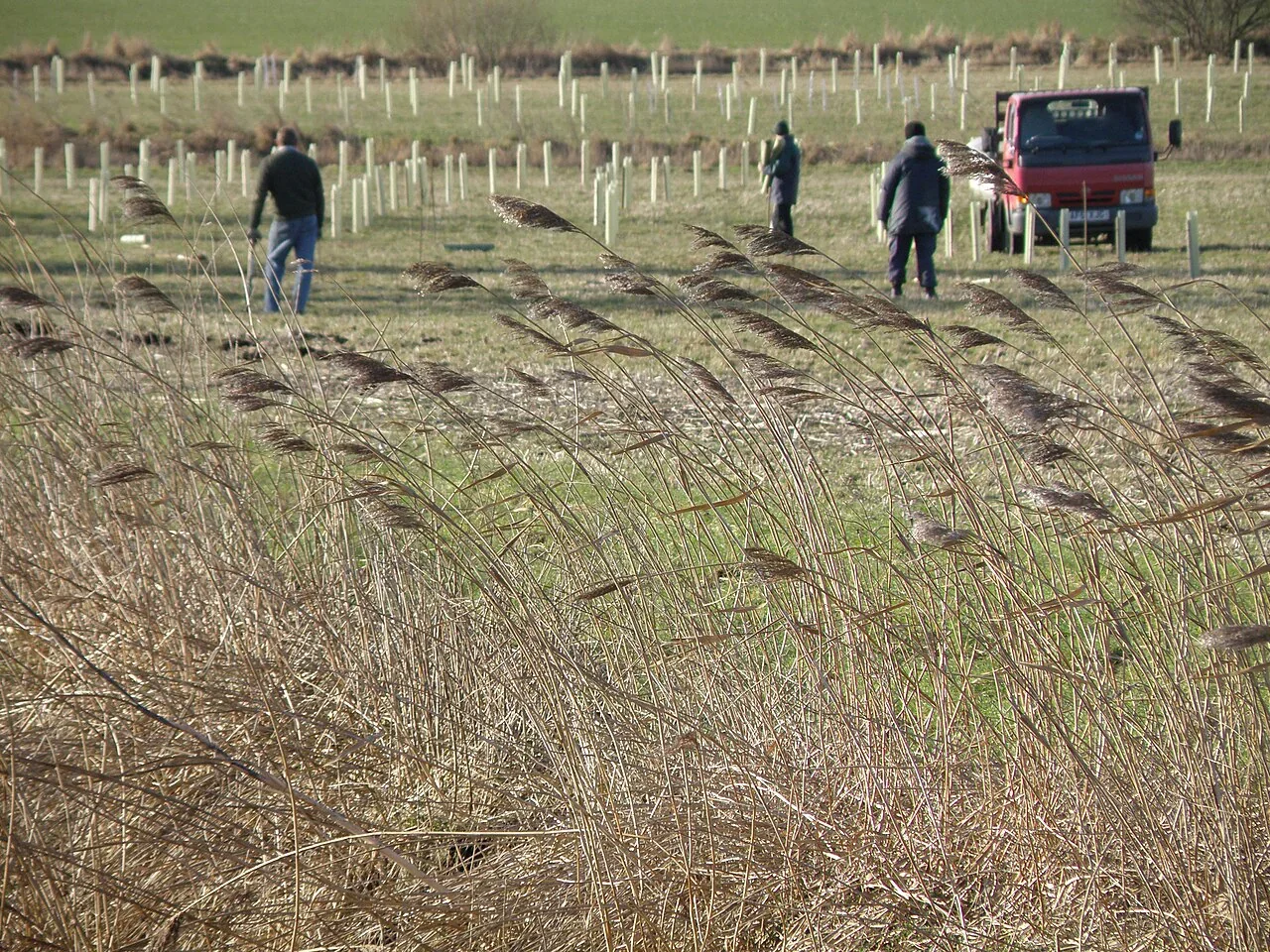
If deer are browsing a young tree, put a physical barrier between the animal and the plant. The barrier needs to protect the part deer can reach while leaving room for the tree to grow. A fence or tree guard can work, but the best choice depends on the tree’s size, the site and how strongly wildlife uses the area.
Match the barrier to the browsing risk
The New York Department of Environmental Conservation says seedlings in rural or natural areas usually benefit from tree tubes or other protection that deters hungry wildlife. [1] The Arbor Day Foundation recommends fencing, such as chicken wire, where deer, rabbits or other wildlife feed at a site. [2] These sources support physical protection, but they do not specify a universal height or design for every deer population and tree.
First identify which part of the tree is being reached: the trunk, lower branches or the whole seedling. Use a barrier that keeps deer from browsing the vulnerable growth without pressing against the tree. Check local extension or wildlife guidance for a design suited to local deer pressure.
Keep protection from becoming a new hazard
A guard needs clearance as the trunk and branches grow. If it rests on bark, catches branches or traps debris, inspect and adjust it. The references recommend tubes or fencing but do not give a universal inspection interval, so check after storms and whenever you work nearby. [1] [2]
For example, a small tree in a garden might need a simple wire enclosure around the planting area, while a seedling in a natural setting might be protected with an appropriate tube. These are options to evaluate, not guarantees: a barrier that is too short, unstable or poorly positioned may fail to protect the tree.
Protect the tree without crowding its roots
Place supports carefully so they do not injure roots or interfere with normal growth. If installing a fence requires posts, locate underground utilities before digging. Keep the barrier outside the trunk and allow space for the tree’s canopy to expand. The DEC notes that tree roots extend beyond the canopy and that planting sites need room for both roots and mature growth. [1]
Avoid piling mulch against the trunk while working around the guard. The Arbor Day Foundation recommends mulch to retain moisture and reduce competition, but says it should not touch the trunk. [3] A clear trunk base makes it easier to inspect for rubbing, moisture and damage.
Barriers have upkeep costs
A physical barrier takes materials, installation and periodic checks. It can be inconvenient around mowing or garden work, and a barrier that is not maintained may lean or become constricted by growth. These trade-offs are worth weighing against the repeated loss of foliage or bark that prompted protection.
If deer pressure is high or a tree is valuable, ask local extension or forestry staff which guards are used effectively in your area. The DEC points to planting resources and local contacts for guidance on tree care. [1] Avoid relying on an unspecified repellent or product claim; the references do not evaluate them.
Make a simple inspection routine
After installing the guard, confirm it stands securely, does not touch the trunk and blocks the route deer were using. Check it periodically for loosened supports, damage, accumulated debris and signs the tree is growing into it. If browsing continues, adjust the barrier based on the damage pattern or seek local advice.
As the tree grows beyond the need for protection, remove or enlarge the guard before it constrains the trunk. The useful next choice is a barrier suited to the local wildlife and tree, followed by regular checks.
Follow the evidence
Primary sources used in this story. Practical examples are illustrative unless a source states otherwise.
- New York DEC: How to plant a tree ↗
- Arbor Day Foundation: Planting bare-root trees ↗
- Arbor Day Foundation: Tree care and maintenance ↗
Read our editorial standards. Have a correction? Identify the article and relevant source in your feedback to the site owner.