tree day
Guide
Mulch around trees?
A shallow, broad mulch layer can buffer soil temperature, conserve moisture and reduce grass competition. Keep it away from the trunk and flare, where piled mulch can trap moisture and contribute to damage.
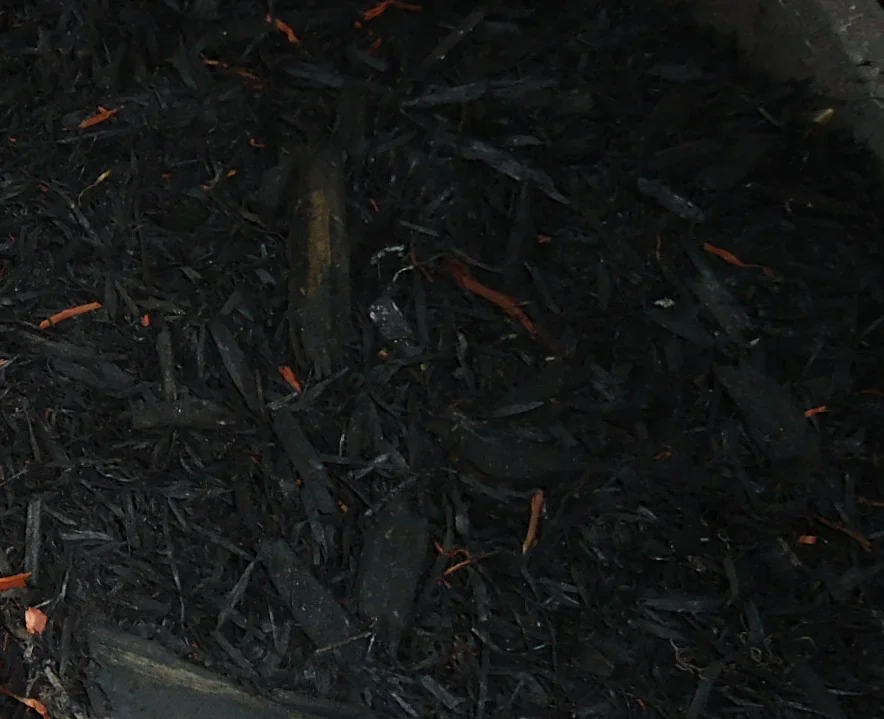
Yes, mulch can help a newly planted tree—but the shape of the mulch ring matters. Spread it broadly and shallowly over the root area, leaving the trunk and root flare exposed. A thick pile pressed against bark can cause the very problems the mulch is meant to prevent, while a clear ring helps protect roots and makes watering easier to assess.
What mulch does at the root zone
Organic mulch such as wood chips or bark moderates soil temperature, helps retain moisture, suppresses weeds and can reduce compaction and lawn-mower damage. The Arbor Day Foundation lists these as benefits for newly planted trees. [1] Those effects are practical: less grass competition means more water and nutrients remain available near the young tree’s roots.
Mulch does not replace watering or correct poor drainage. It changes how quickly soil loses moisture, so check beneath it rather than judging from a dry-looking surface. The amount and timing of irrigation still depend on the species, climate and site conditions. [1]
Make a wide, shallow ring
The Arbor Day Foundation recommends removing grass in a roughly three-foot circle—up to ten feet for larger trees—and spreading natural mulch two to four inches deep. [1] New York DEC likewise recommends two to four inches of organic mulch at least the width of the crown. [2] These are useful reference dimensions, not a reason to ignore site constraints or pile mulch over roots and stems.
Keep the layer even rather than building a steep mound. If the tree is in a lawn, a broad ring also gives the trunk some distance from mowers and string trimmers, which can injure bark. Leave the flare visible so you can inspect the base and notice settling or damage.
Keep bark clear
Pull mulch back so it does not touch the trunk or trunk flare. The Arbor Day Foundation warns against contact with the trunk, and DEC cautions that mounding mulch against it can lead to mold, pest damage, decay or even tree death. [1] [2] A clear gap lets bark dry and avoids keeping the trunk base continuously damp.
A common mistake is adding a new layer without checking what is already there. Over time, layers can become too deep and bury the flare. Move excess aside instead of topping up automatically, and do not use mulch to correct a planting tree that sits too low.
A lawn example
Imagine a young tree planted in turf that dries quickly in summer. Remove grass from a wide circle, spread a modest, even layer of chips, and keep a visible opening around the trunk. After rain or watering, check the soil under the mulch near the root ball. If it stays soggy, reduce watering and investigate drainage; adding more mulch will not solve excess water.
The trade-off is that mulch can hide the ground from view and may need occasional replenishment as it breaks down. It can also create a shelter for pests if packed against bark. Check the ring periodically, especially after mowing or adding material, and keep the flare uncovered.
Choose the next step
If grass meets the trunk today, start by making a broad clear area and adding a shallow layer only if the existing mulch is not already deep. If the flare is buried, expose it carefully and avoid piling material back over it. Your next step is to inspect the mulch depth and trunk gap before adding anything new.
Follow the evidence
Primary sources used in this story. Practical examples are illustrative unless a source states otherwise.
Read our editorial standards. Have a correction? Identify the article and relevant source in your feedback to the site owner.