tree day
Guide
Why trees lose leaves?
Many deciduous trees shed leaves as seasonal conditions change and continued leaf maintenance becomes less useful. Leaf drop is normal for these trees, though timing and pattern vary by species and local conditions.
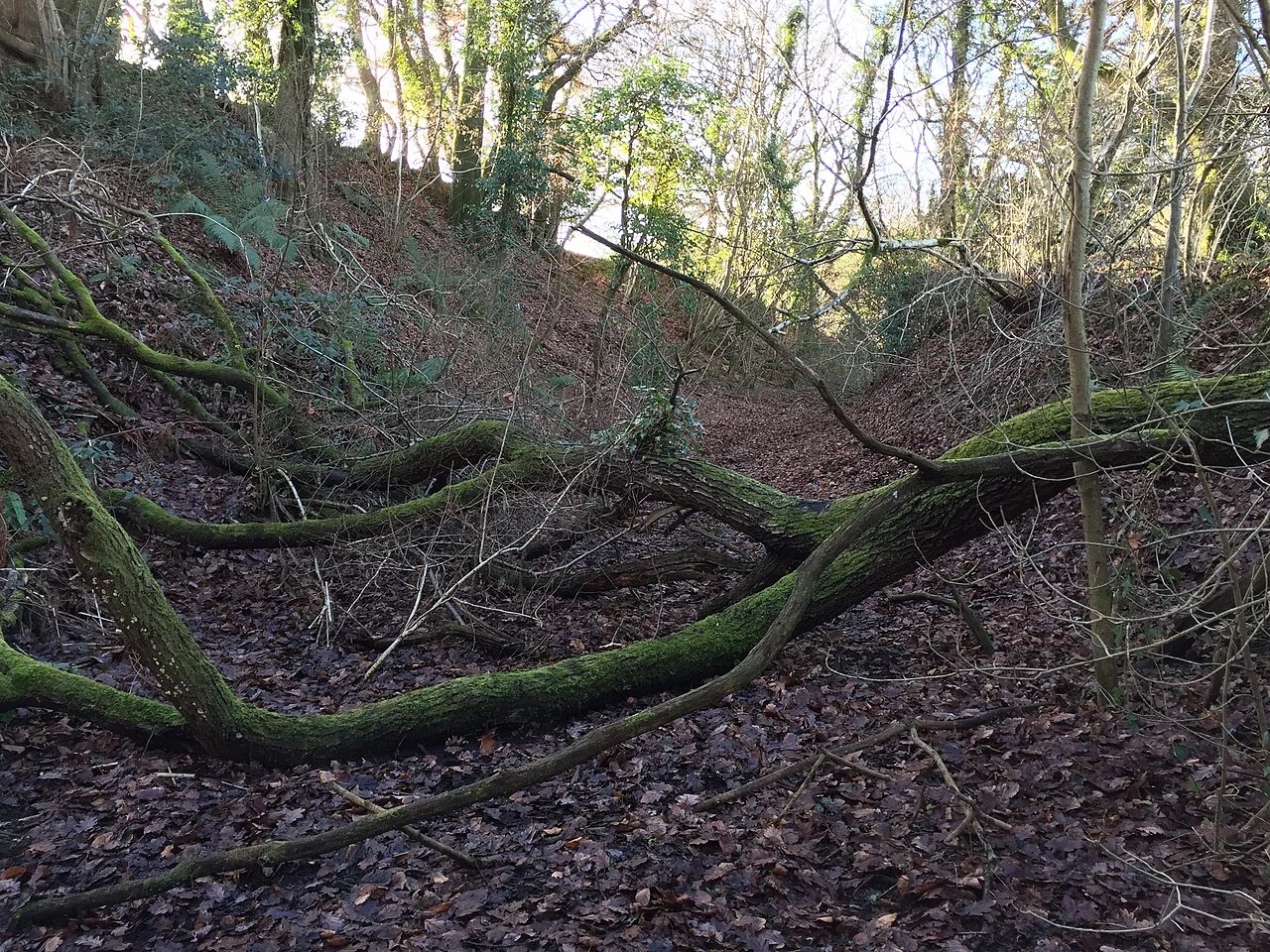
A deciduous tree loses its leaves because seasonal change leads it to stop maintaining its full canopy through the colder or otherwise unfavorable part of the year. As chlorophyll fades, leaves change color, and the tree forms a separation layer where each leaf joins its twig. The leaf then drops. Evergreens follow a different strategy, retaining foliage while replacing older leaves over time.
Seasonal change shifts the balance
Leaves capture light for photosynthesis, but keeping them active takes resources and exposes them to seasonal stresses. In many climates, shorter days and cooler temperatures signal deciduous trees to prepare for dormancy. The tree reclaims some mobile nutrients from leaves before they fall, while chlorophyll breaks down and other pigments become visible.
The timing is not identical for every tree. Species, climate and local weather influence when leaves change and drop. A deciduous tree that sheds later than a nearby species is not necessarily behaving abnormally; comparisons are most useful when they involve the same species and similar conditions.
A separation layer releases the leaf
As a leaf approaches the end of its season, cells at the base of its stalk form a separation layer. This weakens the attachment between leaf and twig, and the tree seals the area on the twig side. Wind or the leaf’s own weight can then complete the drop. [2]
Leaf fall is therefore an organized seasonal process, not simply a tree being damaged by wind. The fallen leaves also return organic material to the ground as they decompose, though how leaves should be managed in a garden depends on the site and local guidance.
Evergreens replace foliage differently
Evergreen trees keep foliage across seasons, which does not mean they never lose leaves or needles. They typically shed older foliage gradually while retaining enough to remain green. The timing and amount of this normal shedding vary among species.
The Arbor Day Foundation’s tree-selection guidance describes deciduous trees as useful for summer shade that allows more winter sunlight, and evergreens as potential year-round windbreaks. [1] Those differences reflect their foliage habits, and can help explain why leaf loss is concentrated in one season for some trees but spread out for others.
Normal leaf fall versus a possible concern
A seasonal color change followed by leaf drop across much of a deciduous canopy is generally expected. A tree that drops leaves unusually early, loses them unevenly, or shows dead branches, damaged bark or other changes may need closer attention. Those signs do not identify a cause by themselves; drought, pests, disease and site stress can produce overlapping symptoms.
The Arbor Day Foundation cautions that tree diseases and pests differ by region and can be challenging to diagnose. [1] Note the timing, which parts of the crown are affected and whether other symptoms appear, then ask a local extension office or qualified arborist for an assessment if the pattern concerns you.
Read the pattern in context
A useful first question is whether the tree is deciduous or evergreen and whether the timing matches its usual seasonal cycle. Then consider local weather and the tree’s recent growing conditions. One season’s leaf drop cannot, by itself, tell you whether the tree is healthy or what care it needs.
If you are unsure of the species, photograph the whole tree and leaves or buds, and compare multiple features with a regional guide. Where the tree’s condition or safety is in question, use a local professional who can inspect the site rather than relying on a single symptom.
Follow the evidence
Primary sources used in this story. Practical examples are illustrative unless a source states otherwise.
- Arbor Day Foundation: Tree care and maintenance ↗
- Harvard Arnold Arboretum: Each year in the forest—autumn ↗
Read our editorial standards. Have a correction? Identify the article and relevant source in your feedback to the site owner.