tree day
Guide
Tree planting in clay soil?
Clay soil can hold water and compact, so choose a tree suited to the site and make room for roots without creating an amended pocket that behaves unlike the surrounding ground. Check drainage and moisture before planting.
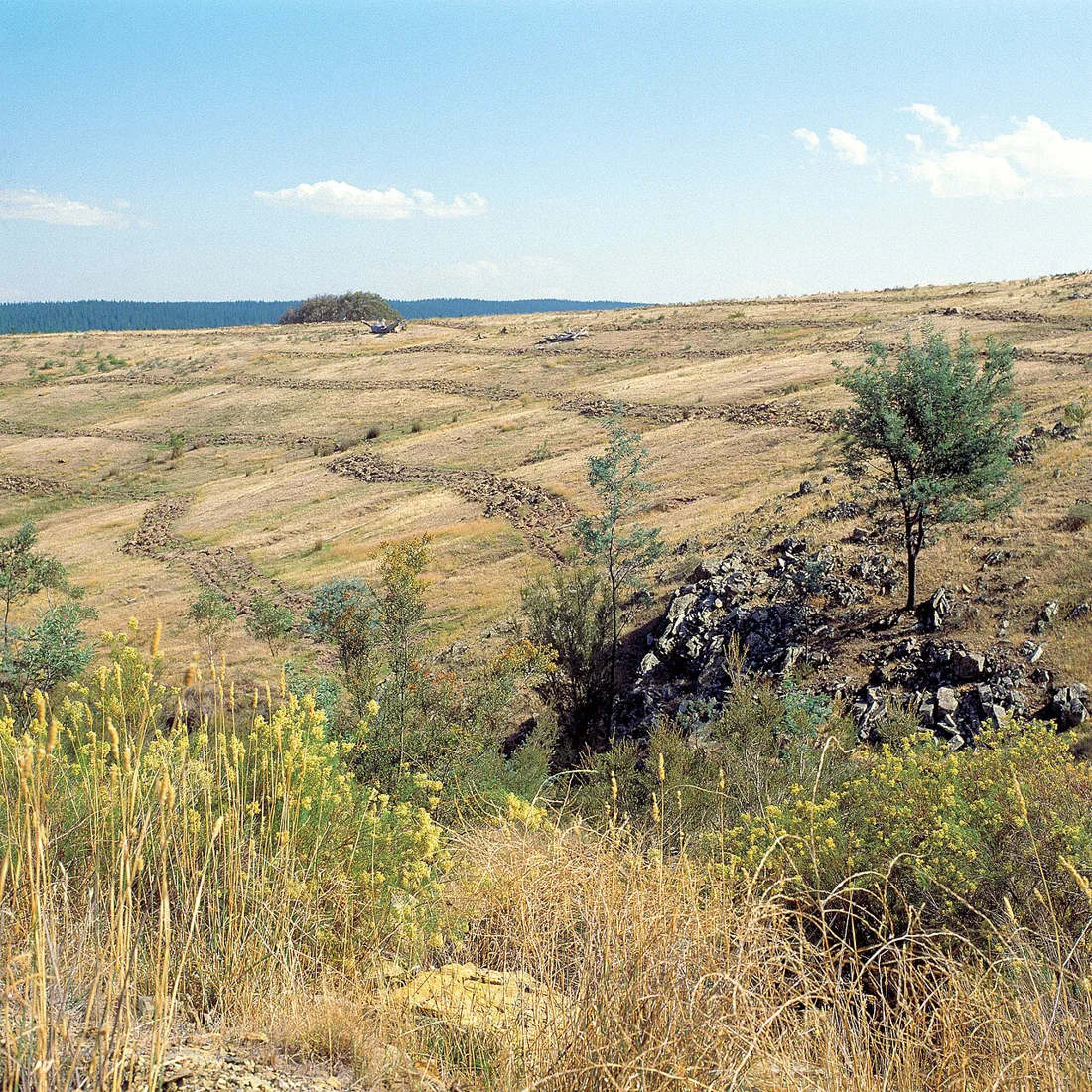
You can plant a tree in clay soil, but the site’s drainage and the species’ tolerance matter as much as the soil label. Clay can stay wet or become compacted, so inspect how water behaves after rain and choose a tree suited to those conditions. Prepare a planting space that lets roots spread into the surrounding soil rather than relying on a rich pocket in the hole.
Find out what the site is like
“Clay” describes a soil texture, not the whole growing environment. Notice whether the site stays wet, dries hard, slopes, or receives runoff from a roof or paved area. The New York Department of Environmental Conservation recommends assessing soil type and whether a planting site is usually wet or dry before choosing a tree. [1]
Light, wind, available space and nearby structures matter too. The DEC recommends considering those conditions alongside soil, while the Arbor Day Foundation similarly advises matching a tree to its site and mature size. [1] [2] A species suited to one clay site may struggle in another with poor drainage or different climate conditions.
Do not turn the hole into a different soil pocket
The planting hole should give roots room to spread without making the backfill radically different from the surrounding soil. The Arbor Day Foundation advises against adding soil amendments such as peat or bark, fertilizer, potting soil or chemicals when planting bare-root trees. [3] The DEC’s planting directions say to backfill with the existing soil. [1]
A dramatically amended hole can create an abrupt boundary between the planting mix and native clay. The references do not give a special universal amendment recipe for clay, so avoid assuming that adding compost or other material to the hole will solve a drainage problem. If the site is persistently waterlogged, choose a more suitable planting location or seek local horticultural advice.
Give roots space and set the tree correctly
Dig a hole wide enough for roots to spread, but only as deep as needed to place the tree at the correct level. For balled-and-burlapped trees, the DEC says the hole should be two to three times the ball’s width and only deep enough for the root ball; the trunk flare should be at soil level. [1] Bare-root roots should be spread without crowding, according to the Arbor Day Foundation. [3]
For example, if a clay planting area remains soggy after ordinary rain, the problem may be the site’s drainage, not a hole that needs more amendments. A different spot or a tree better suited to local wet-soil conditions may be the more reliable choice. Confirm species suitability with local extension or forestry guidance.
Water by checking the soil, not the calendar
New trees need water while establishing, but clay’s moisture retention means a fixed schedule may overwater some sites. The DEC says watering needs depend on site conditions and species and warns that too much water can be as harmful as too little. [1] It recommends checking whether soil below the mulch is dry rather than following a universal amount. [1]
Water slowly enough to reach the root zone, then allow conditions to guide the next watering. The Arbor Day Foundation also advises keeping soil and mulch moist but not soggy for bare-root trees. [3] If water stands around the tree or the soil remains saturated, pause and reassess drainage rather than adding more water.
Take a site-specific next step
Before digging, identify the soil’s moisture pattern and confirm that the species fits your climate and local conditions. If the site is compacted, stays wet, or sits near utilities, buildings or pavement, consult local extension or a qualified arborist about placement. The DEC recommends assessing these constraints and points readers to local forestry and extension resources. [1]
Then plant in existing soil at the correct depth, mulch without touching the trunk, and monitor moisture. A well-matched tree in a workable site has a better start than a poor fit rescued with amendments.
Follow the evidence
Primary sources used in this story. Practical examples are illustrative unless a source states otherwise.
- New York DEC: How to plant a tree ↗
- Arbor Day Foundation: Tree care and maintenance ↗
- Arbor Day Foundation: Planting bare-root trees ↗
Read our editorial standards. Have a correction? Identify the article and relevant source in your feedback to the site owner.