tree day
Guide
Native trees for wildlife?
Native trees can help wildlife when they suit the local climate and planting site. Choose for regional fit and habitat needs, then give the tree enough room and care to establish.
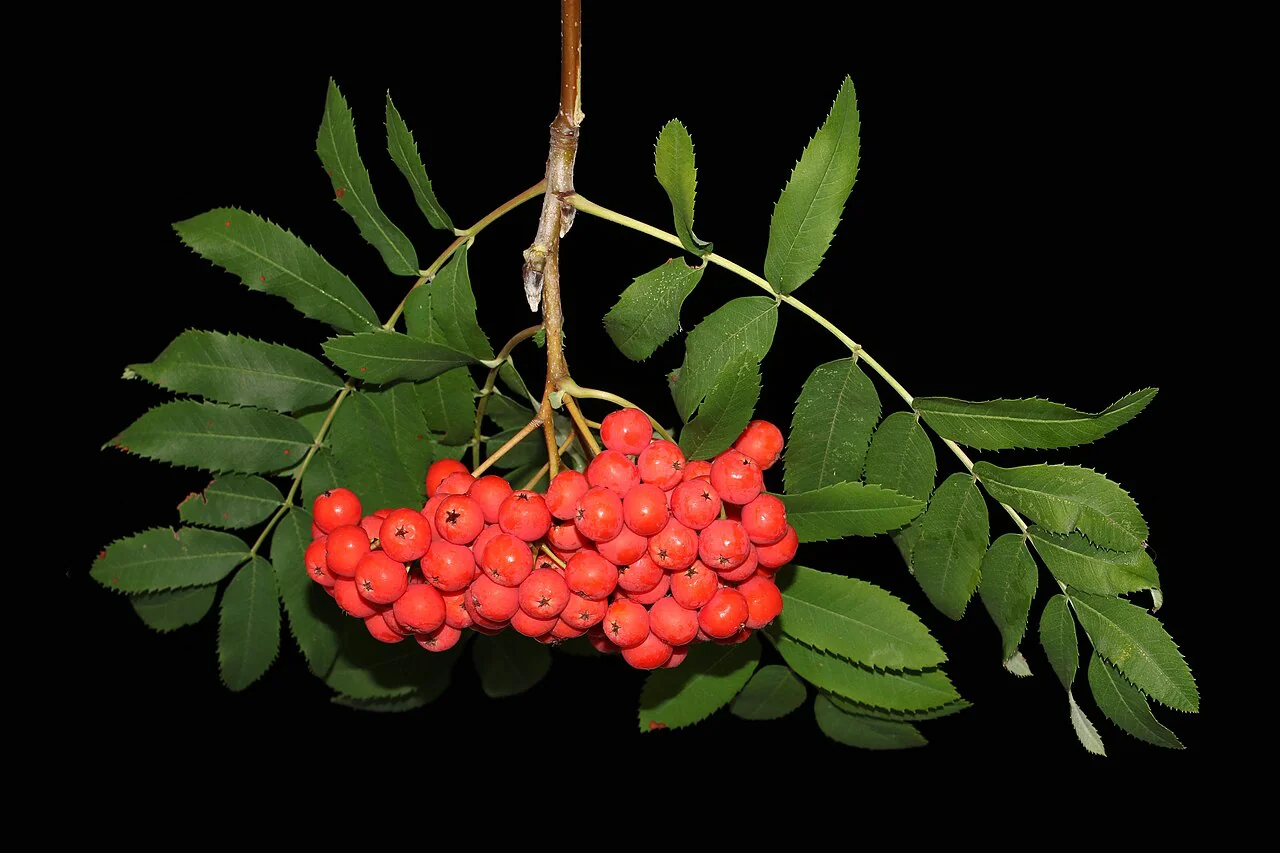
A native tree can support wildlife and still fail in the wrong place. “Native” describes a tree’s relationship to a region; it does not tell you whether the soil, sun, moisture or available space in your yard suits it. Begin by identifying your local region and the conditions where you hope to plant. Then choose a tree that fits both the habitat goal and the site.
Start with the region, not a label
Native status is local. A tree native to one part of a country may be poorly suited to another, so a broad label on a plant tag is not enough to establish that it belongs in your area. The New York Department of Environmental Conservation recommends choosing tree species or cultivars after assessing site conditions, including soil, sun, wind, salt exposure, utilities and space. [1]
For a hypothetical yard in a dry, sunny location, a locally native tree adapted to dry soils may be a better candidate than a native species from a wet woodland. That is a screening idea, not a species recommendation: local extension or forestry guidance can help identify appropriate trees for your region and conditions.
Be specific about the wildlife goal
“Wildlife” covers many needs. You might hope to provide food, shelter, shade or a nesting opportunity, but one tree will not necessarily provide all of them. The DEC lists food and habitat for wildlife among the possible purposes to consider when selecting a tree. [1]
Turn the broad goal into a practical question: are you choosing for food, cover, or a tree that will form part of a larger planting? That focus helps you compare candidates without assuming that any native tree will serve every animal equally. In a hypothetical garden, a tree chosen for its seasonal food value might be paired with shrubs or other plants suited to the same site, if space allows.
Check whether the site can support it
Wildlife value does not compensate for a poor planting location. Assess the mature canopy and root space, soil moisture and texture, sunlight, wind, nearby pavement and buildings, and overhead or underground utilities. New York DEC notes that most roots occupy the top 18 inches of soil and extend beyond the canopy width, so a tree needs space below ground as well as above it. [1]
If digging is planned, have underground utilities located through the proper local service first. A narrow strip beside a walkway may not be suitable for a tree whose roots and crown need more room. The Arbor Day Foundation likewise emphasizes matching the tree’s mature size and site needs to the planting space. [2]
Establishment care affects the outcome
The first years shape a tree’s long-term health, the Arbor Day Foundation says, making care after planting part of the habitat decision. [2] The DEC advises planting at the correct depth, with the trunk flare at soil level, and keeping mulch away from the trunk. It also warns that both too little and too much water can harm a new tree; the appropriate amount depends on site conditions and species. [1]
A wildlife-oriented planting may also need protection from browsing animals. The DEC notes that seedlings in rural or natural areas often benefit from tree tubes or other protection. [1] Consider whether protection is needed at your site and check local advice on suitable materials and maintenance.
Use local sources to build a shortlist
A common mistake is to select a tree because a website calls it wildlife-friendly, without checking whether it is native to the particular region or appropriate for the site. Another is choosing a tree whose eventual size conflicts with a fence, utility line or small garden. In either case, the label or benefit list cannot replace local fit.
Write down your region, sun exposure, soil conditions, available space and the wildlife benefit you hope to support. Ask a local extension office, forester or knowledgeable nursery to suggest native species for those conditions. The DEC points readers to local foresters and extension resources for planting and tree questions. [1]
Follow the evidence
Primary sources used in this story. Practical examples are illustrative unless a source states otherwise.
Read our editorial standards. Have a correction? Identify the article and relevant source in your feedback to the site owner.