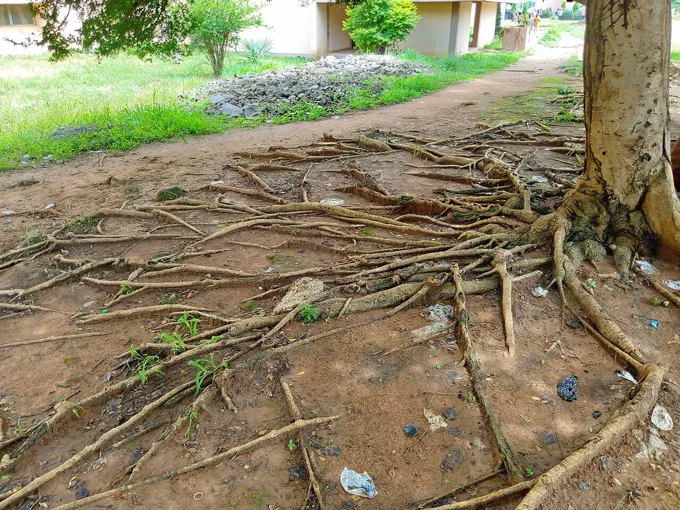
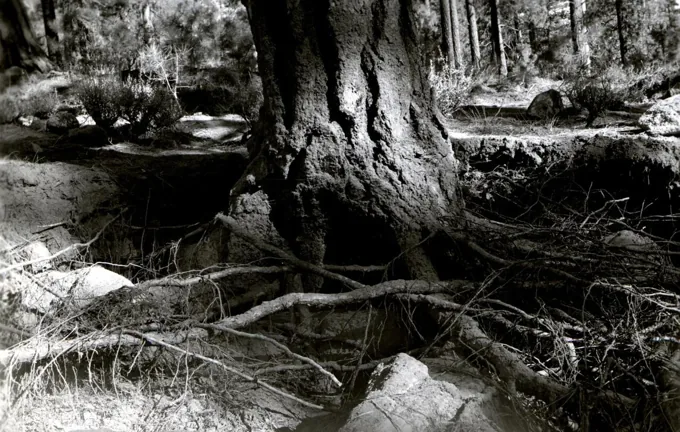
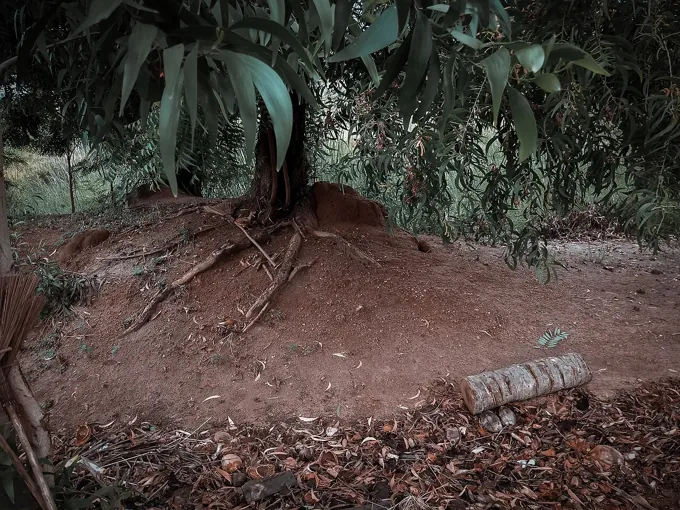
Roots near a foundation are a reason to assess the site, not assume that a tree is damaging a house. Look at soil, drainage, tree size and visible changes, then get qualified local advice before changing roots or removing a tree.
A tree needs room for its mature crown, trunk and spreading roots, with extra attention to overhead lines, paving and buildings. Plan from the site and the species’ eventual size, not the nursery pot.
Bare-root trees are lighter and often available in a short seasonal window; container trees are widely sold but may have roots circling inside the pot. Choose by planting timing, handling needs and the condition of the roots.
Old trees connect long lives to everyday benefits: shade, cleaner air and water, habitat and a sense of place. Their value also makes careful site choices and care important.
A newly planted tree can droop from dry roots, excess water, heat or transplant stress. Learn how to inspect the root zone and choose a measured next step.
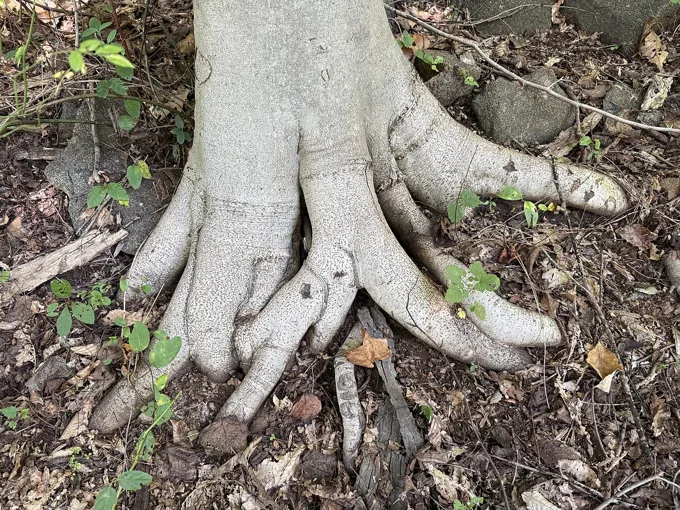
The root flare is the transition where a tree’s trunk broadens and its first main roots emerge. Its position at planting helps you spot whether a tree may be buried too deeply.
Sandy soil drains quickly and may hold less moisture, so match the species to local conditions and monitor the root zone as the tree establishes. Correct planting depth and mulch help, but watering needs still depend on site and weather.
Dry and saturated soil can both leave a tree wilted, so appearance alone is not a reliable guide. Compare the soil, drainage and watering pattern before changing care.
Plan construction around a tree’s root zone before equipment, storage or excavation arrives. Map the work, limit compaction and locate utilities before any digging begins.
Evaluate a tree-planting charity by checking where its trees go, why those species fit, and what care follows planting. A credible plan explains outcomes beyond the number of seedlings distributed.
Choose a shade tree by matching its mature canopy, seasonal pattern and growing needs to the place you want cooled. A good fit provides useful shade without colliding with utilities, structures or the site’s soil and light conditions.
A quick hand check below the mulch is more useful than judging by the surface alone. Learn where to inspect, how to interpret what you feel and when to check again.
During drought, protect a tree’s root zone by checking moisture, watering deliberately when needed, and reducing avoidable soil stress while following local water guidance.
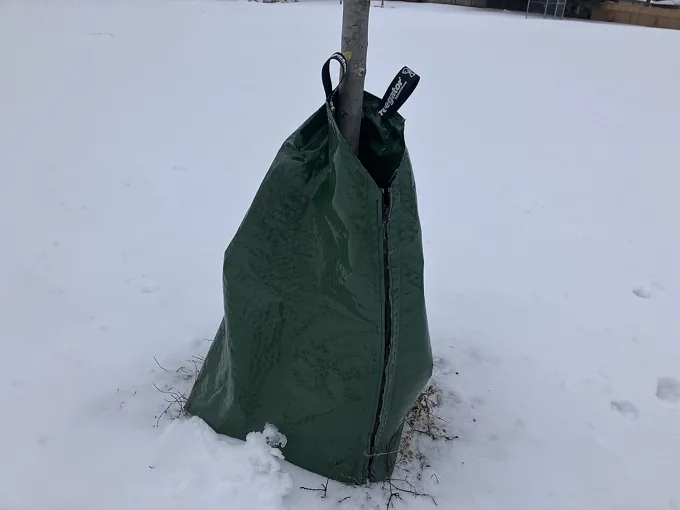
There is no reliable watering interval for every new tree: soil, rain, heat and species change how quickly roots dry. Check moisture where the roots are and water deeply when that zone needs it.
 tree day