tree day
Guide
How to choose a shade tree?
Choose a shade tree by matching its mature canopy, seasonal pattern and growing needs to the place you want cooled. A good fit provides useful shade without colliding with utilities, structures or the site’s soil and light conditions.
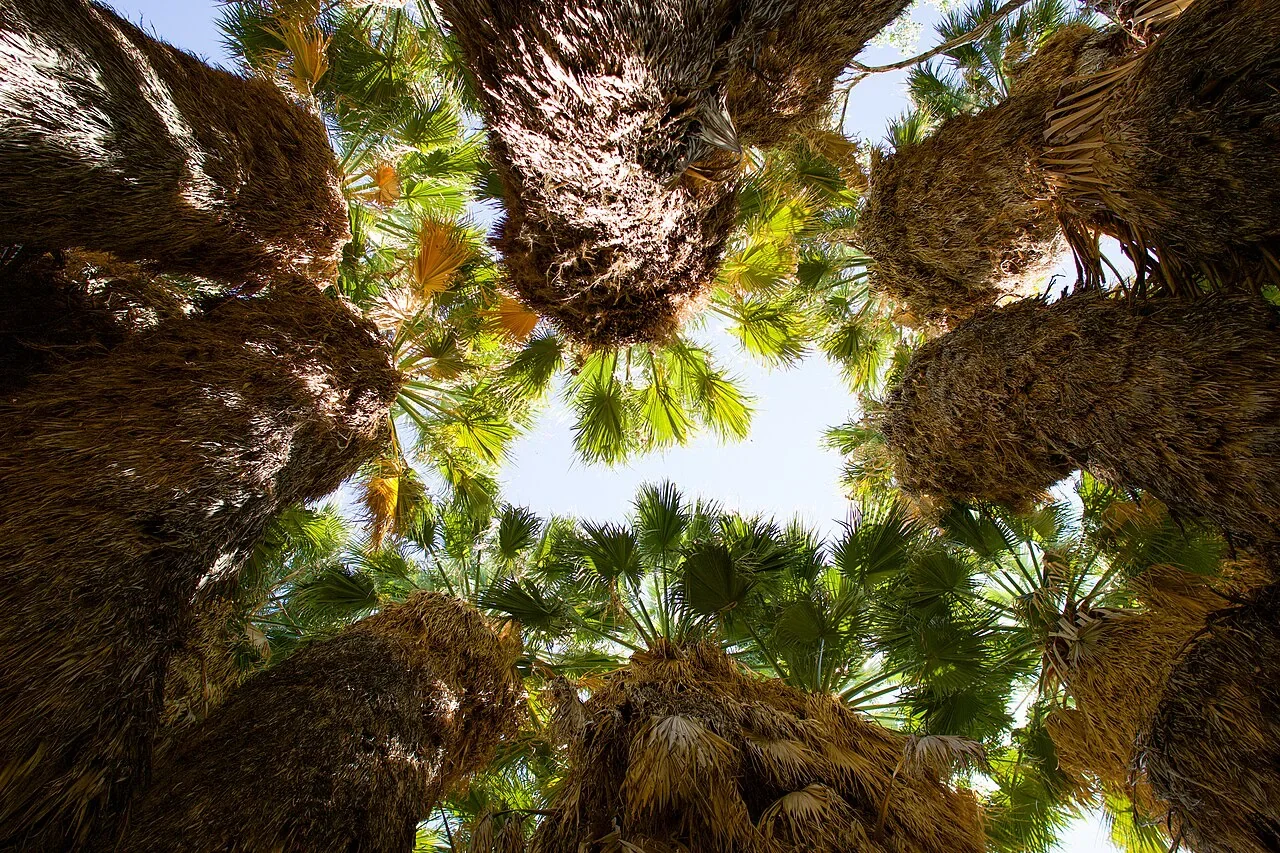
Start with the patch of ground you want shaded and the hours when it needs relief. A shade tree is useful only if its mature canopy fits the site and its roots, water needs and seasonal behavior suit local conditions. A fast-growing or large tree can be the wrong choice beside a narrow yard, overhead wires or a building that needs winter sun.
Define the shade you need
Decide whether you want afternoon shade over a patio, a cooler west-facing wall, or broad cover over a lawn. The intended function helps narrow the tree’s shape and size. The Arbor Day Foundation recommends considering a tree’s purpose, maximum height and spread, light exposure and soil conditions before selecting it. [1]
Think about when shade is most useful. The Arbor Day Foundation notes that large deciduous trees on the southeast, southwest and west can provide summer cooling while allowing winter sunlight after leaves fall. [1] That is a general siting principle; local building orientation, climate and the tree’s eventual canopy determine whether it applies to your yard.
Measure the mature space
Check the expected height and canopy spread, then compare them with the available space above and around the planting spot. Account for rooflines, sidewalks, fences, driveways and overhead utility lines. A young nursery tree can look modest while becoming too large for a restricted site. The DEC recommends considering site size and nearby structures and utilities when selecting a tree. [2]
Below ground matters too. DEC reports that most tree roots are in the upper 18 inches of soil and extend beyond the canopy width. [2] That means a shade tree may need more room than the visible trunk suggests. Narrow planting strips and compacted urban sites can constrain roots, even when the canopy seems to fit.
Match the tree to conditions
Compare the site’s sunlight, soil texture and moisture, drainage, wind exposure and road-salt exposure with local species guidance. The Arbor Day Foundation identifies hardiness zone, sun and soil among the selection considerations. [1] DEC also highlights wet or dry soil, soil type, weather exposure and salt as relevant site conditions. [2] No single shade species suits every region or yard.
Ask a local nursery, extension service or municipal forestry office which trees tolerate your conditions and avoid known local pests. If you want habitat as well as shade, ask which locally appropriate species support the wildlife you hope to attract. The right choice depends on your climate and site, not just the tree’s mature size.
A west-yard example
Imagine a small patio that receives strong late-day sun, with a utility line crossing the yard and a building nearby. First estimate the needed shade footprint, then rule out trees whose mature height or spread conflicts with the line or structure. A smaller tree that fits and survives the site may provide more dependable comfort than a large species planted where it must later be heavily constrained.
The trade-off is time: a tree with a smaller mature canopy may take longer to shade the patio, while a faster-growing option may need more room or differ in longevity and maintenance. Do not select on growth speed alone. Check the mature dimensions, species suitability and any local restrictions before purchase.
Move from idea to site plan
Mark the likely planting area and note sun through the day, soil that stays wet or dries quickly, and nearby hard surfaces and utilities. Before digging, use the required local utility-location process. Then take those observations to a local species guide or knowledgeable nursery and compare candidates at mature size.
Your next step is to choose the shade target first, then shortlist trees that fit both the canopy space above ground and the root space below it.
Follow the evidence
Primary sources used in this story. Practical examples are illustrative unless a source states otherwise.
Read our editorial standards. Have a correction? Identify the article and relevant source in your feedback to the site owner.