tree day
Guide
How to protect tree roots during construction?
Plan construction around a tree’s root zone before equipment, storage or excavation arrives. Map the work, limit compaction and locate utilities before any digging begins.
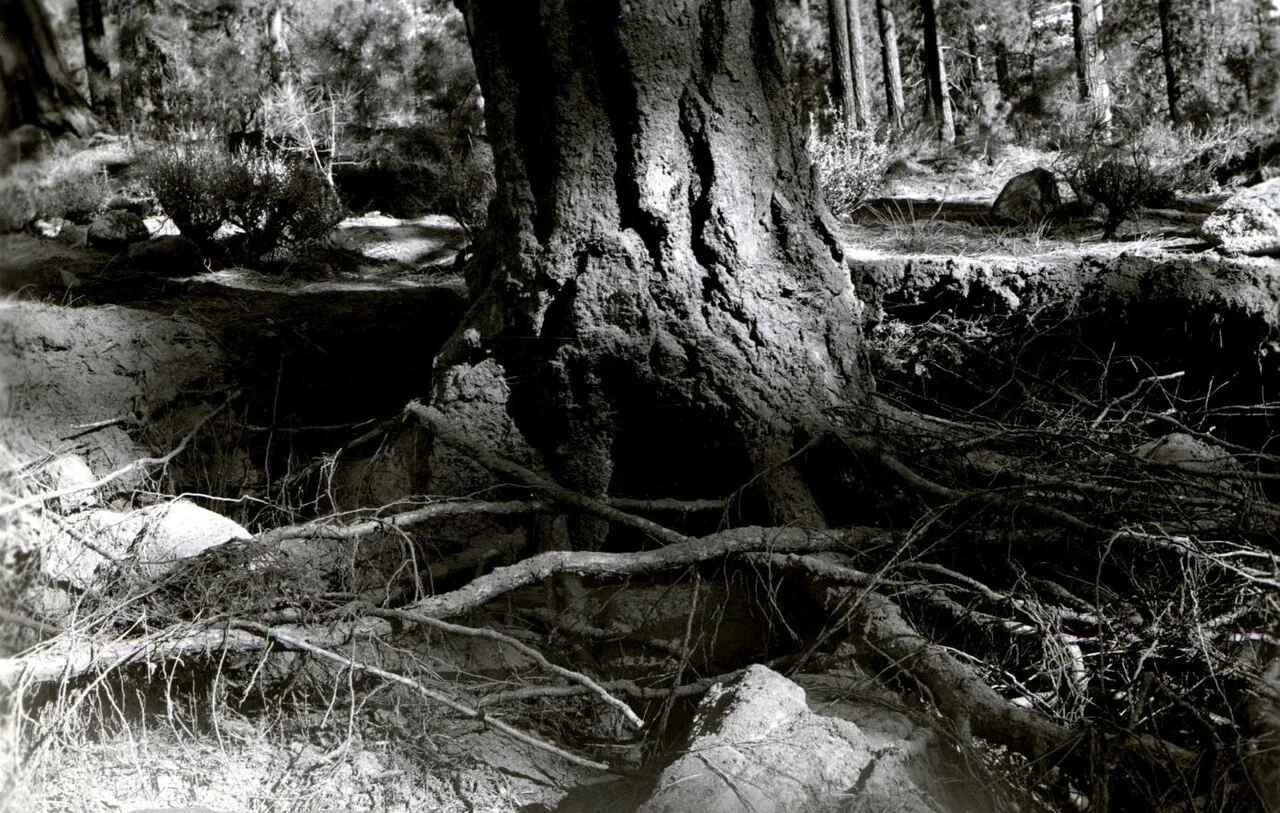
Protecting a tree during construction starts before the first machine enters the yard: mark where work, storage and traffic will go, then keep them away from the tree’s root area as much as the project allows. Roots are easy to damage unseen, and construction can compact the soil they depend on. If excavation is planned, locate underground utilities first.
Plan for roots beyond the trunk
A tree’s root system is not confined to the visible base. New York DEC notes that most roots are within the top 18 inches of soil and extend beyond the canopy width. That makes a small fenced circle around the trunk an incomplete plan for many sites. [2]
Before work begins, identify which trees are to remain and sketch the likely work footprint: access routes, soil piles, material storage, temporary structures and excavation. The exact area needing protection depends on the tree and site; ask a qualified arborist or project professional to set boundaries rather than applying one universal distance.
Keep heavy traffic and storage off soil
Repeated vehicle passes and concentrated loads can compact soil, reducing the open spaces that let water and air move through it. Even when equipment does not strike a trunk, traffic over roots or a pile of materials can change the root zone. Mark protected areas clearly and communicate them to everyone working on the site.
A practical hypothetical example: if a renovation needs a temporary staging area, choose an already paved or disturbed surface where possible, rather than using soil beneath a tree’s canopy. Keep washout, spoil and supplies away from protected soil, and preserve access to the tree without routing machinery across it.
Treat digging as a separate risk
Trenching for foundations, drainage, utilities or paths can sever roots. Ask the design team whether routes can be shifted or methods changed to avoid major roots, and consult an arborist before excavation near a tree intended to remain. Any digging requires utility location through the appropriate local service before work starts; underground lines may not be where a casual estimate suggests.
A tree’s roots can extend past its canopy and occupy shallow soil, so a narrow trench may still intersect them. The planting guidance identifies root spread and site constraints as important when planning around structures and utilities. [2]
Protect the ground surface
Where access cannot be avoided, ask the project arborist or engineer about suitable ground protection for the specific soil, tree and equipment. A protective surface may distribute pressure, but its effectiveness depends on the load and conditions; it does not make unrestricted traffic safe. Do not assume a thin sheet of plywood is enough for heavy machinery.
Avoid raising or lowering soil grade around a retained tree without professional advice. Changes to the surface can alter how water reaches roots or cover the trunk flare. Keep excavated soil and fill away from the tree base, and retain existing drainage patterns where the plan allows.
Inspect after the work
Once construction is done, remove temporary storage and protection according to the project plan, then inspect for visible trunk injury, exposed roots, grade changes and altered drainage. Root damage may not show as immediate canopy decline, so continued observation through later seasons can help identify changes. The Arbor Day Foundation advises contacting an arborist when concerned about tree health, and notes that regional pests and diseases complicate diagnosis. [1]
If work is still being planned, have a qualified arborist review the tree and proposed access or excavation routes before the site is mobilized. The most useful next step is to put the protected areas and utility-location requirement on the project plan, not rely on workers to remember them on site.
Follow the evidence
Primary sources used in this story. Practical examples are illustrative unless a source states otherwise.
Read our editorial standards. Have a correction? Identify the article and relevant source in your feedback to the site owner.