tree day
Guide
How to care for trees in drought?
During drought, protect a tree’s root zone by checking moisture, watering deliberately when needed, and reducing avoidable soil stress while following local water guidance.
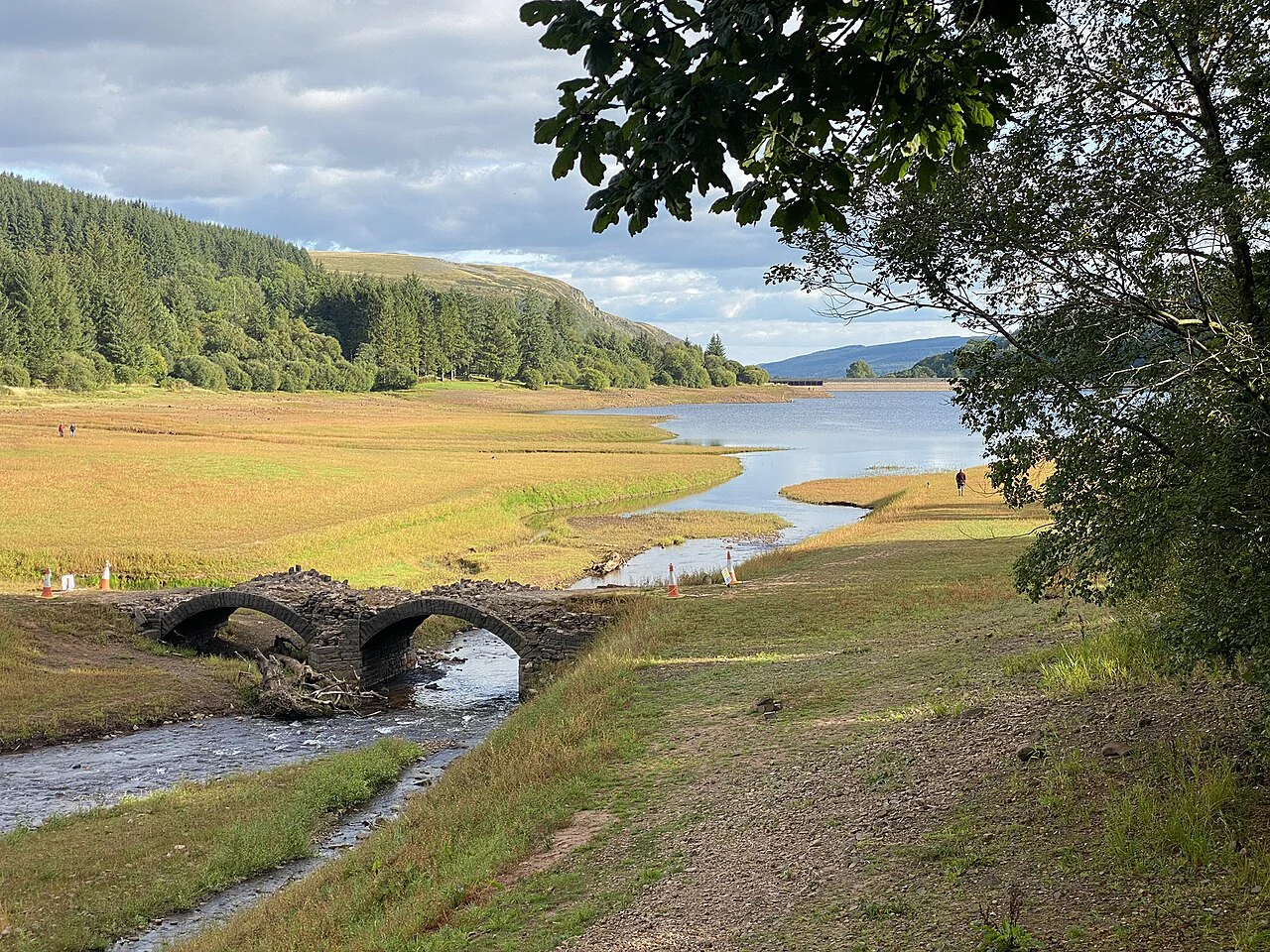
In drought, a tree’s care starts with the soil around its roots, not with a universal watering timetable. Check whether that soil is actually dry, then apply water slowly enough to soak in. Mulch can help moderate the root zone, while foot traffic and repeated disturbance can add stress. The right approach depends on the tree, soil and local conditions.
Check before turning on the hose
Move mulch aside and feel the soil below the surface near the root zone. If it is dry, watering may be needed; if it remains moist, adding more can create a different problem. Soil texture, slope, compaction and recent rain affect how quickly moisture disappears or drains away.
New York DEC notes that the right amount of water depends on tree species and site conditions and that too much water can be harmful. Its care guidance concerns newly planted trees in New York; established trees and other climates may need different decisions. During drought, follow official local water-use guidance as well as the needs of the particular tree. [2]
Put water where roots can use it
When the root zone is dry and watering is appropriate, apply water slowly over the area occupied by roots rather than concentrating a brief splash at the trunk. Slow application gives water time to enter the soil; watch for runoff or standing water and adjust. The roots of a tree can extend beyond its canopy, so the visible trunk base is not the whole root system. [2]
For example, if a young tree in a hypothetical compacted yard has dry soil and water runs toward the sidewalk, a slower application in stages may improve infiltration. If water still pools or runs off, the issue may be soil condition or site drainage, not a need to pour faster. Avoid digging around roots to investigate; if installation work requires digging, locate utilities first.
Use mulch as a buffer
A layer of natural mulch can reduce temperature swings, help retain moisture and limit competition from grass. The Arbor Day Foundation recommends a 2-to-4-inch layer for a newly planted tree and advises keeping it off the trunk; New York DEC likewise advises keeping mulch clear of the trunk and flare. [1] [2]
Do not build a tall mound against bark. More mulch is not automatically more protective: contact with the trunk can contribute to mold, pests and decay. If grass grows close to a young tree, a mulched area can reduce the need to mow right beside it and lower the risk of mechanical damage. [1] [2]
Reduce other avoidable stress
During a dry spell, avoid unnecessary soil disturbance and heavy traffic over the root area, which can compact soil. Do not assume fertilizer will compensate for drought: DEC says first-year fertilizing is not necessary for new trees, and nutrients do not replace available water. [2]
Keep an eye on the tree’s overall condition, but do not diagnose drought from wilting alone. A tree may be stressed by planting depth, a poor site match, waterlogged soil or regional pest and disease problems. If symptoms persist despite suitable soil moisture, a local arborist or extension service can help assess causes. [1] [2]
Make a locally informed plan
A practical drought routine is an inspection followed by a decision: check below mulch, water slowly if the root zone is dry and local rules permit, then inspect again rather than repeating automatically. A rain event may not wet the root ball evenly, and a wet surface does not always mean deeper soil is moist.
For a newly planted tree, consult care guidance for its species and planting method, then adapt it to local soil and weather. For an established tree in a prolonged drought, ask a local extension office or arborist what care fits the species and conditions. Your next action is to check root-zone moisture and local guidance before deciding whether to water.
Follow the evidence
Primary sources used in this story. Practical examples are illustrative unless a source states otherwise.
Read our editorial standards. Have a correction? Identify the article and relevant source in your feedback to the site owner.