tree day
Guide
How much space does a tree need?
A tree needs room for its mature crown, trunk and spreading roots, with extra attention to overhead lines, paving and buildings. Plan from the site and the species’ eventual size, not the nursery pot.
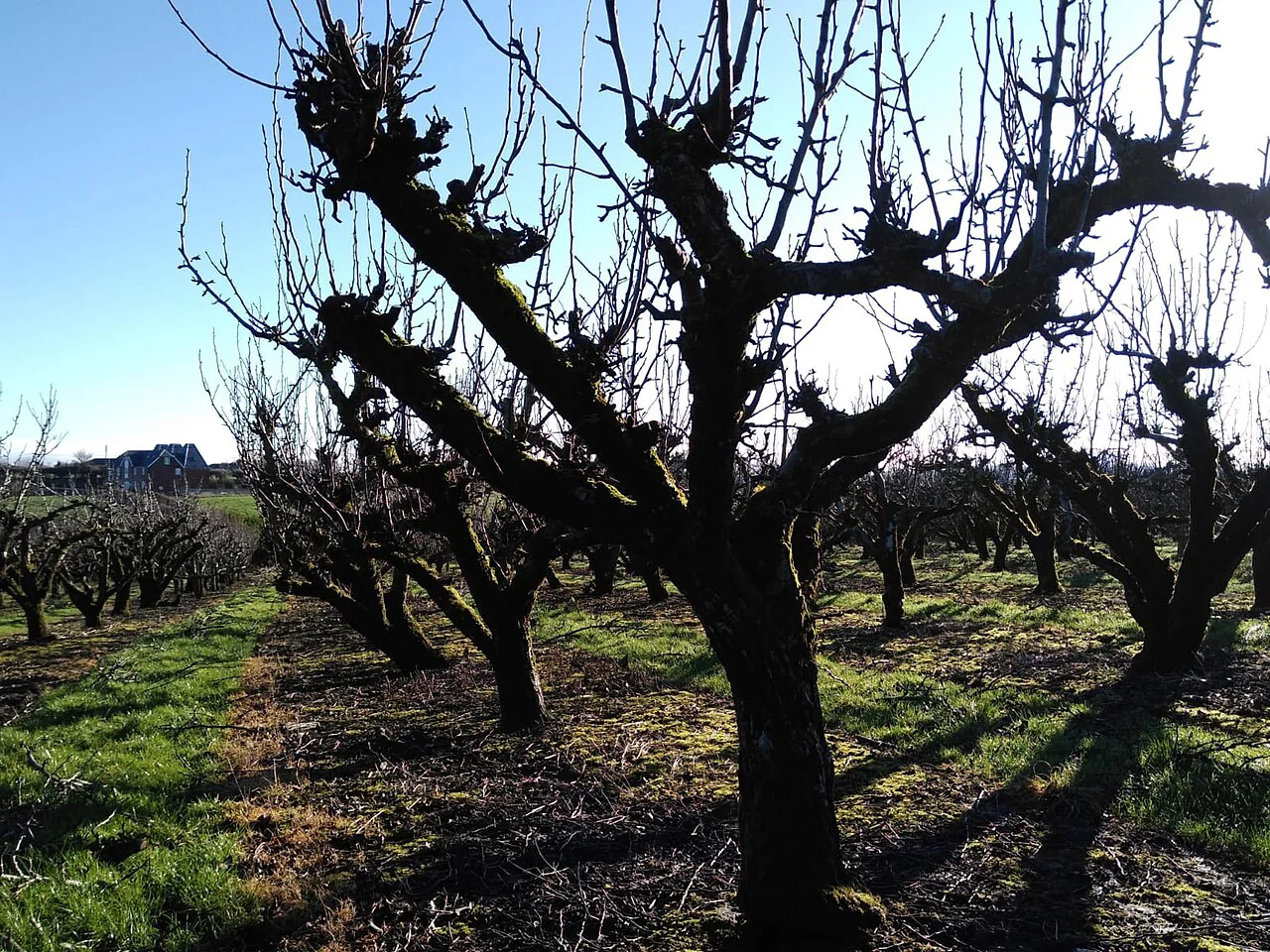
A tree’s space requirement is larger than the hole you dig for it. Before choosing a spot, compare the species’ mature height and crown spread with overhead wires, buildings, paths and neighboring plants, then consider the soil volume available to roots. The right amount varies by species and site, so a single universal spacing number can mislead.
Start with the tree at maturity
A young tree can look comfortably small in a lawn or narrow planting strip, but its mature crown determines whether it will have room to grow without repeated conflict. Check the expected height and spread for the particular species or cultivar, and account for the tree’s purpose: a shade tree, privacy screen and small ornamental have different shapes and placement needs. The Arbor Day Foundation recommends matching the tree to the space it will occupy when fully grown. [1]
For a practical first pass, mark the expected crown width on the ground and look upward as well as outward. Ask whether branches will meet a roof, cross a walking route, crowd another tree or reach overhead utilities. A compact flowering tree may suit a location below wires where a large shade tree would not. [1]
Roots need room beyond the canopy
Roots do not stay neatly beneath the branches. New York’s Department of Environmental Conservation notes that most tree roots are in the upper 18 inches of soil and extend beyond the canopy’s width. [2] That makes the surrounding soil part of the planting space: a tree beside paving or a building may have less usable ground than an open lawn, even if its crown seems to fit.
Consider the whole route through which roots might grow. A long planting trench can offer more growing room than an isolated pit in a paved setting, and the DEC identifies structural soil as an option for restricted urban sites. [2] These are site-design considerations, not a guarantee that roots will avoid nearby structures.
Make a site map before you buy
Sketch the house, paths, fences, other trees and overhead lines. Add the proposed tree’s mature crown as a circle, then note whether the site is sunny or shaded, windy, wet or dry, and what kind of soil it has. The DEC lists these conditions, utilities, road salt and site size among the factors to consider before choosing a tree. [2]
For example, imagine a homeowner hoping for afternoon shade beside a west-facing patio. A broad deciduous crown might meet that goal, but only if its eventual spread fits without crowding a roof or overhead line. If the available area is narrow, a smaller species may better suit the place, even if it provides less shade. The Arbor Day Foundation describes how large deciduous trees can provide summer cooling while advising attention to winter sunlight and utility lines. [1]
The trade-off is often space versus purpose
A tree with a broad crown may offer more shade, while a smaller tree can be easier to fit near a path or utility line. Choosing solely for the desired benefit can overlook mature size; choosing solely for a small nursery form can leave the tree poorly matched to its permanent site. Think through both the benefit and the constraints before planting. [1]
Spacing also depends on what is planted nearby. Two trees placed close together may compete for light and growing room as their crowns expand. The guidance emphasizes selecting the right tree for the location, but it does not give one spacing distance that works for every species and yard. [2]
Choose the next step from the site
Before purchasing, identify the species’ mature height and spread from reliable information for that tree, and compare them with the actual clearances around your site. If roots would be confined by pavement or the planting is close to utilities or buildings, ask a local forester or qualified arborist about a suitable species and site design. The DEC suggests contacting a local forester for help with tree selection. [2]
Then choose the tree whose mature form fits the place and the job you want it to do. A little space planning now can spare the tree and the household from years of avoidable crowding.
Follow the evidence
Primary sources used in this story. Practical examples are illustrative unless a source states otherwise.
Read our editorial standards. Have a correction? Identify the article and relevant source in your feedback to the site owner.