tree day
Guide
Bare root vs container trees?
Bare-root trees are lighter and often available in a short seasonal window; container trees are widely sold but may have roots circling inside the pot. Choose by planting timing, handling needs and the condition of the roots.
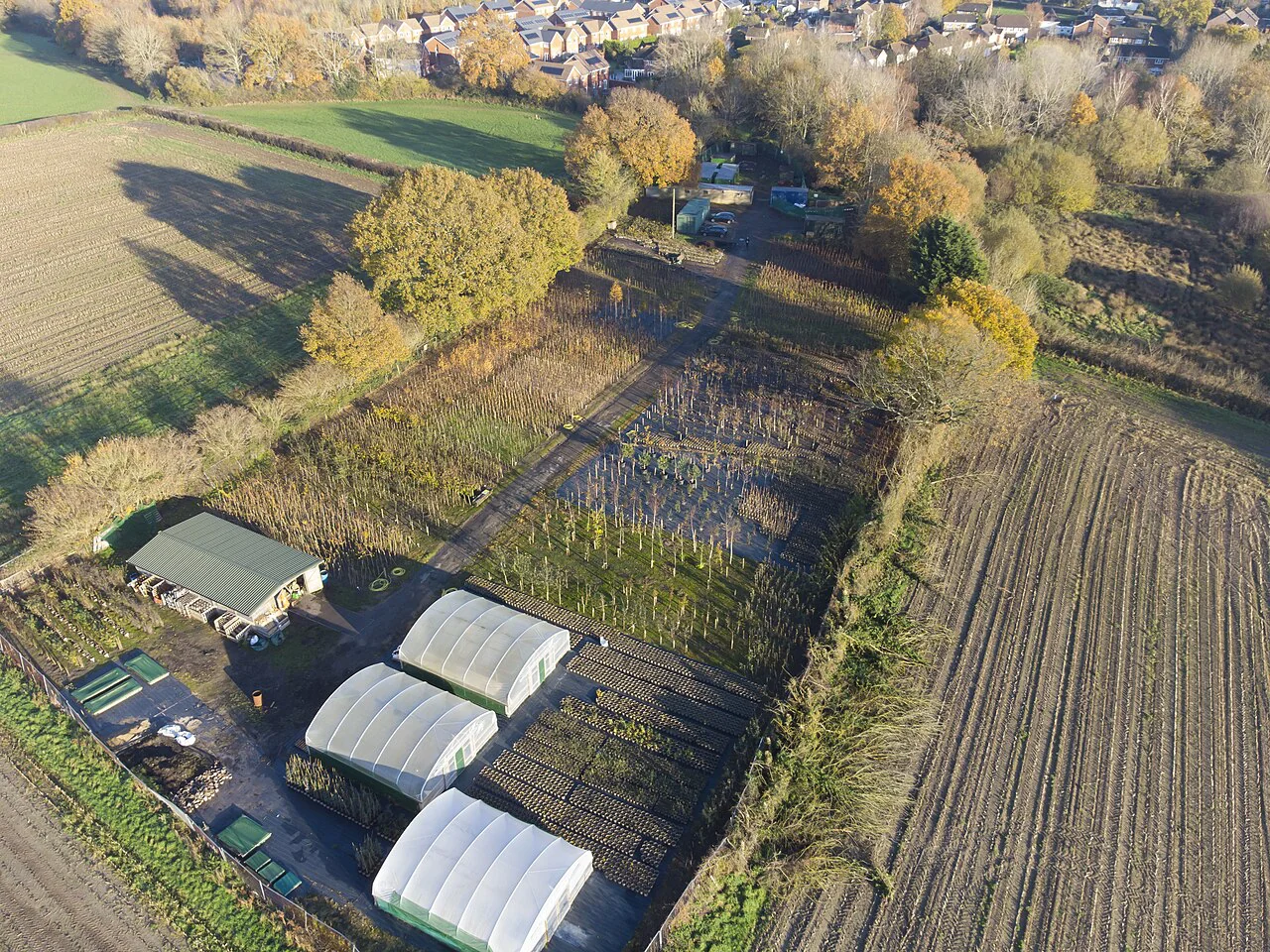
Choose bare-root stock when you can plant during its short availability window and keep exposed roots moist; choose a container tree when availability and easier handling matter more. Neither form guarantees a healthier tree. What matters is whether the roots are in good condition, the species fits your site and you can plant and care for it properly.
What arrives with each tree
A bare-root tree is sold without soil around its roots. It is generally lighter to carry, and DEC notes that properly dug bare-root trees may retain a greater portion of roots than balled-and-burlapped stock. They are commonly shipped during short periods in spring and fall and should be planted within a few days. [1] The exposed roots need protection from drying in the meantime.
A container-grown tree arrives in a pot with its root ball and growing medium intact. DEC says these trees are available at most nurseries and typically have less root disturbance at planting, but roots may spiral around the container. [1] The pot can make transport convenient while concealing a root structure that needs inspection.
Compare the practical trade-offs
Bare-root stock can be a sensible choice if your planting site is ready and you can handle the roots carefully. It is lighter, and the roots can be spread outward in a roomy hole. The narrow shipping window is a real constraint, though: a delayed planting can put exposed roots at risk. [1]
Container stock gives more flexibility in availability, but the root ball can be heavy and its roots may need loosening. If roots circle the pot, DEC advises untangling or vertically cutting those that encircle the root ball so they do not continue girdling as the tree grows. [1] A tree with badly compromised roots is a poor choice in either form.
A simple decision example
Suppose you have a prepared garden bed, can plant this week and are buying several small trees. Bare-root plants may be easier to move, provided the roots stay moist and cool until planting. The Arbor Day Foundation advises removing packing, soaking bare roots for three to six hours and keeping them from drying; follow the supplier’s instructions for the specific tree. [2]
If instead you need one tree now and want to inspect it before purchase, a container tree may be more practical. Slide it from the pot, inspect the root ball and loosen encircling roots before planting. A larger pot is not automatically a better tree if roots have been circling for a long time.
Planting care still matters
Both types need a hole that accommodates roots without crowding and a finished depth that places the trunk flare at the soil line. DEC says to keep roots moist until planting, backfill with existing soil and water as you fill to settle the planting area. [1] The details differ, but neither tree should be planted too deep or left to dry out.
Once planted, mulch the root area without touching the trunk and monitor soil moisture. DEC says adequate water is essential and that needs vary by species and site. [1] A root system that begins in a pot or arrives bare still needs time to establish in its new soil.
Make the purchase decision
Choose based on stock condition, planting window, transport and the work you can do on planting day. Ask the nursery when the tree was dug or potted, whether roots should be held or soaked, and whether the root structure looks healthy. Those questions make the comparison specific to the tree in front of you.
Your next step is to prepare the planting site first, then choose whichever root form you can keep in good condition and plant promptly.
Follow the evidence
Primary sources used in this story. Practical examples are illustrative unless a source states otherwise.
Read our editorial standards. Have a correction? Identify the article and relevant source in your feedback to the site owner.