tree day
Guide
How to identify a tree?
Identify a tree by combining several features, especially leaves, arrangement, bark, fruit and overall form. Record what you can observe across seasons, and use a regional guide to narrow the possibilities.
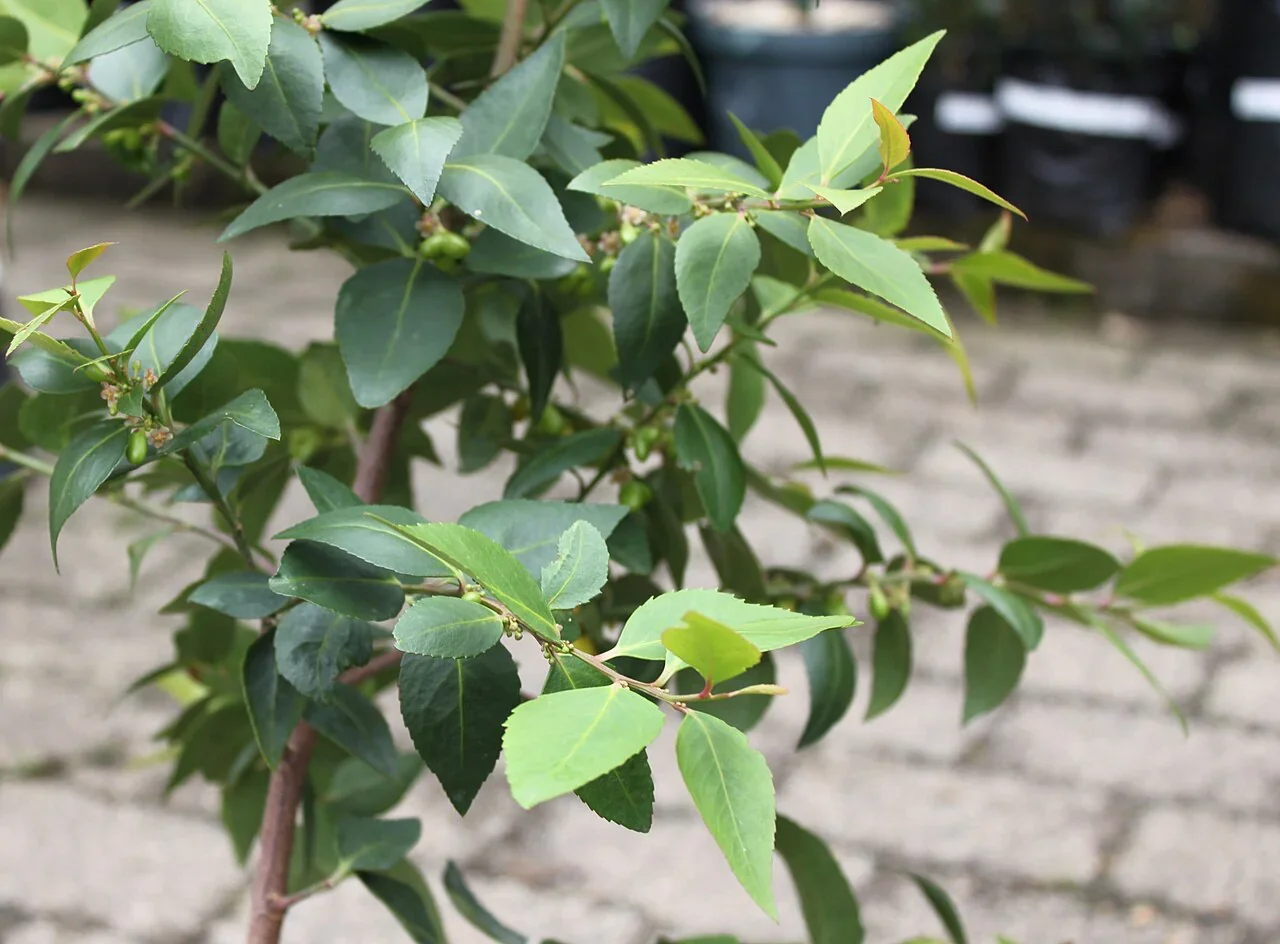
One leaf rarely identifies a tree with confidence. A useful identification combines several clues: whether leaves are simple or compound, how they attach to a twig, the bark, buds, fruit and the tree’s overall form. Start with what is plainly visible, take notes or photos, and compare those features with a guide for your region. If a clue is missing, wait for another season rather than guessing.
Record the whole tree, not one leaf
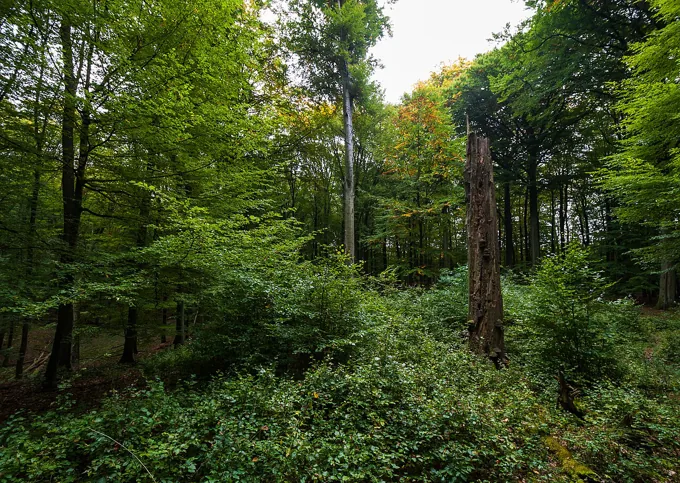
Begin with the tree’s setting and shape. Is it evergreen or does it lose its leaves? Is the crown narrow, rounded or spreading? Note whether it grows alone or among similar trees, and whether the site is sunny, shaded, wet or dry. These observations narrow possibilities but usually do not identify a species by themselves.
The Arbor Day Foundation’s tree-care guidance treats species selection as a matter of matching a tree to its site, with attention to climate zone, mature size, sun and soil. [1] That guidance does not provide a field identification key, but it reinforces why regional context matters: trees that look alike in one season may be adapted to different conditions.
Look at leaves and how they attach
If leaves are present, inspect several from different parts of the tree. A simple leaf has one blade attached to the twig; a compound leaf has multiple leaflets. Note whether leaf edges are smooth, toothed or lobed, and whether leaves attach in pairs or alternate along the twig. The pattern of attachment is often more useful than color alone. [3]
Check both sides of a leaf and the stalk, then photograph it beside a familiar object for scale. Avoid relying on a fallen leaf if you can inspect one still attached: wind and decay can distort its shape, and leaves from nearby trees may be mixed together.
Use bark, buds and fruit as supporting clues
Bark can help, but its appearance changes with age and growing conditions. Look for broad patterns—smooth or furrowed, peeling or ridged—rather than treating one patch as a decisive fingerprint. In winter, buds, twig shape and leaf scars can provide clues when foliage is absent.
Fruit, cones and seeds can narrow the possibilities too, but not every tree produces them in view every year. The DEC notes that tree choice and care depend on species and site conditions, but its planting guidance is not a tree identification key. [2] Use a regional field guide or extension resource for the actual comparison, and treat each feature as part of a set.
Compare clues with a regional guide
A practical method is to make a short record: evergreen or deciduous; leaf arrangement; simple or compound leaves; edge and shape; bark; buds or fruit; approximate height; and location. Compare that record against a field guide designed for your region, then check whether the candidate matches more than one feature.
For example, in a hypothetical park visit, a tree with opposite leaves and a distinctive fruit would prompt a different set of comparisons from one with alternate, needle-like foliage. The point is not to jump from one feature to a name, but to use a combination to reduce uncertainty.
Know when the answer is still uncertain
Young trees may not have the bark or crown shape of mature specimens. Pruning, drought, damage and urban conditions can also alter appearance. A photo of one leaf may be insufficient, and online image matching can confuse species with similar foliage. If the identification affects care, safety or a planting decision, get confirmation from a local extension office or qualified tree professional.
Take clear pictures of the whole tree, a twig with leaves or buds, bark and any fruit, and note the location and season. A local expert can use those observations to check your best match. The Arbor Day Foundation recommends contacting an arborist when concerned about tree health; for a health diagnosis, that distinction matters more than a tentative species guess. [1]
Follow the evidence
Primary sources used in this story. Practical examples are illustrative unless a source states otherwise.
- Arbor Day Foundation: Tree care and maintenance ↗
- New York DEC: How to plant a tree ↗
- Penn State Extension: From the woods—ten important hardwoods ↗
Read our editorial standards. Have a correction? Identify the article and relevant source in your feedback to the site owner.