tree day
Guide
Why pollinators are declining?
Pollinator decline is a documented concern, but the supplied evidence does not establish one universal cause or explain every local trend. Understand what the evidence supports and how to interpret it at home.
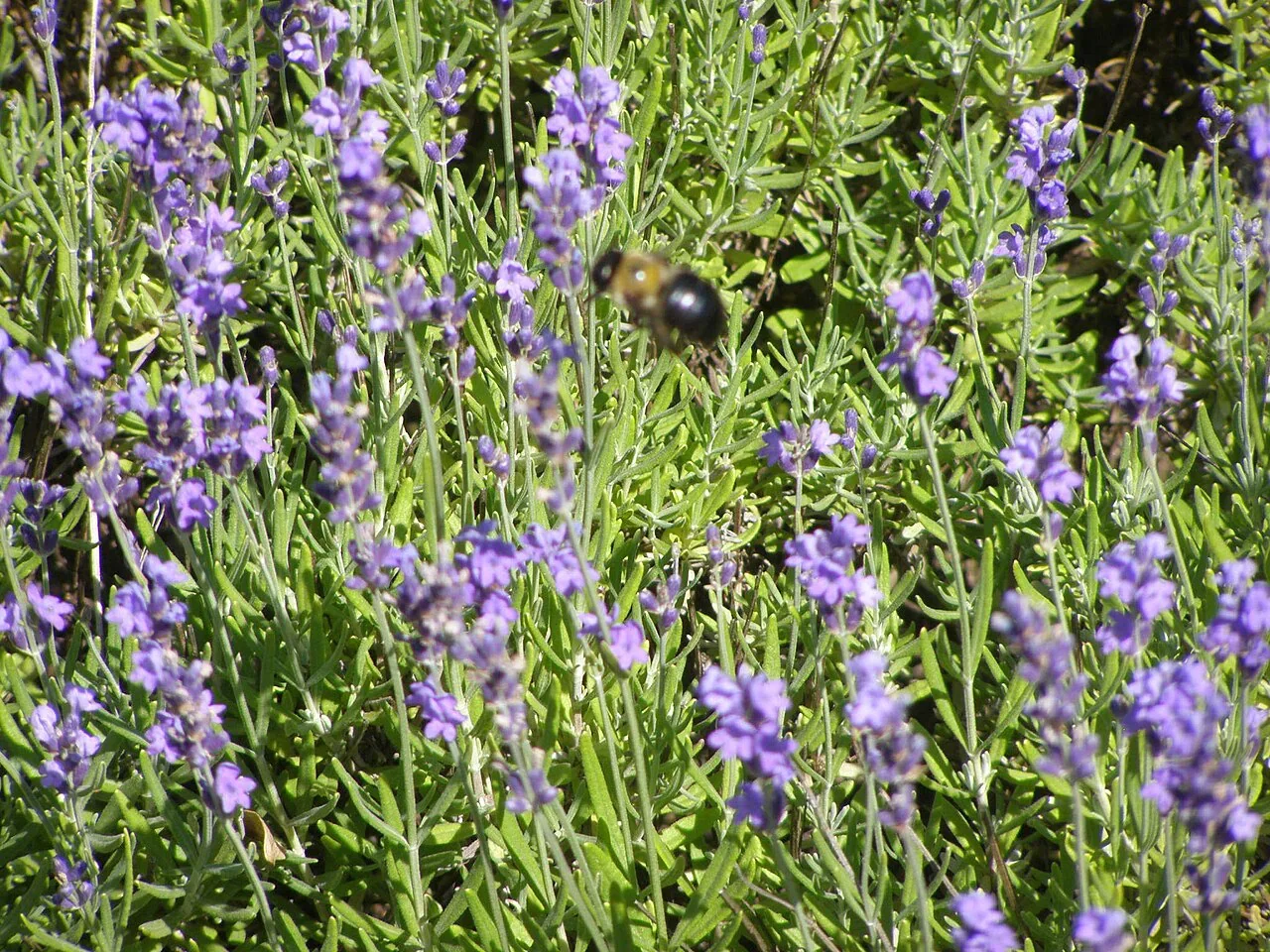
If a garden seems quieter than it used to, that observation may be real, but it cannot by itself explain why pollinators are declining. The U.S. Fish and Wildlife Service reports that pollinator populations across the United States are declining and describes habitat restoration and pollinator science among its priorities. [2] That is a broad documented concern, not a diagnosis of every species or neighborhood.
What the documented claim does—and does not—say
The Fish and Wildlife Service states that pollinator populations across the United States are declining. [2] The reference does not quantify the decline, name a single cause or say that every pollinator group is falling at the same rate. Those distinctions matter: “pollinators” includes many kinds of organisms, and a national statement cannot tell a homeowner what happened in one yard.
A pollinator is an animal that moves pollen between flowers as it feeds or visits. That service helps plants reproduce. Pollinators include familiar bees and butterflies, but also less conspicuous insects and other animals. The National Park Service describes biodiversity as variety at the levels of ecosystems, species and genes, encompassing even organisms people rarely notice. [1] A change affecting one pollinator group may therefore be hidden in a casual count of the insects visible on a sunny afternoon.
Habitat is a useful place to look
The Fish and Wildlife Service says its work includes restoring habitat, helping at-risk pollinators and supporting pollinator science. [2] This indicates that habitat and research are important parts of the conservation response. It does not, from the reference alone, establish that habitat loss is the sole cause of decline or assign a precise share of responsibility to any factor.
For an individual site, habitat can be considered in practical terms: whether flowers are available across the season, whether there are sheltered places to rest or nest, and whether the site is connected to other usable patches. These are questions for improving local conditions, not proof of why a wider population trend occurred. A yard might be attractive to one species and unsuitable to another, depending on its food and shelter needs.
A trend can have several scales
Pollinator decline is a population-level claim; an empty flower bed on one day is a momentary observation. Weather, time of day, season and the plant in bloom all affect which visitors are visible. A gardener comparing two years should also consider whether the observation was made at similar times and under similar conditions. Without consistent observation, a quiet week cannot establish a long-term trend.
At the other end, national concern does not mean every local population is declining in the same way. Species differ in habitat needs and ranges. The references do not provide a breakdown by species or region, so a reader should avoid applying the national statement as a precise forecast for a particular town. Local wildlife agencies or monitoring programs can offer more specific information where it exists.
How human activity enters the picture
The invasive species resource explains that people move organisms unintentionally as well as deliberately, including through ornamental plants escaping into the wild and transport of firewood or other goods. It also notes that invasive species can alter habitats and harm native plant and animal communities. [3] This supports a general point: changes to ecological communities can affect the settings pollinators use. It does not establish that invasive species are the cause of the national pollinator decline described by the Fish and Wildlife Service.
Other possible pressures are often discussed in conservation, but they are not detailed in the supplied evidence here. A careful explanation should not turn a list of familiar concerns into a claim about what caused a particular trend. To understand a specific place, look for monitoring and research that identifies the species, time period and proposed mechanisms.
What a household can conclude
The strongest household conclusion is modest but useful: pollinators matter to plants, wildlife and food systems, and the Fish and Wildlife Service says people can contribute through actions such as creating native pollinator gardens. [2] That does not mean a single garden reverses a national trend. It means habitat improvements are a practical contribution, while larger questions require coordinated conservation and science.
If you want to know what is happening near you, find a local pollinator monitoring or conservation program and follow its identification and reporting methods. If you are simply making a garden more usable, start by observing which flowers attract visitors and when, then add locally appropriate plants and shelter. Keep the observation separate from the explanation: a change in visits is a reason to learn more, not a causal diagnosis.
Follow the evidence
Primary sources used in this story. Practical examples are illustrative unless a source states otherwise.
- US National Park Service: What is biodiversity? ↗
- US Fish and Wildlife Service: Pollinators ↗
- National Invasive Species Information Center: What are invasive species? ↗
Read our editorial standards. Have a correction? Identify the article and relevant source in your feedback to the site owner.