tree day
Guide
What is biodiversity?
Biodiversity is the variety of life, from genes and species to ecosystems, including organisms that are small, uncommon or easy to overlook. Thinking across these levels helps explain why a habitat’s condition cannot be judged by counting only familiar plants and animals.
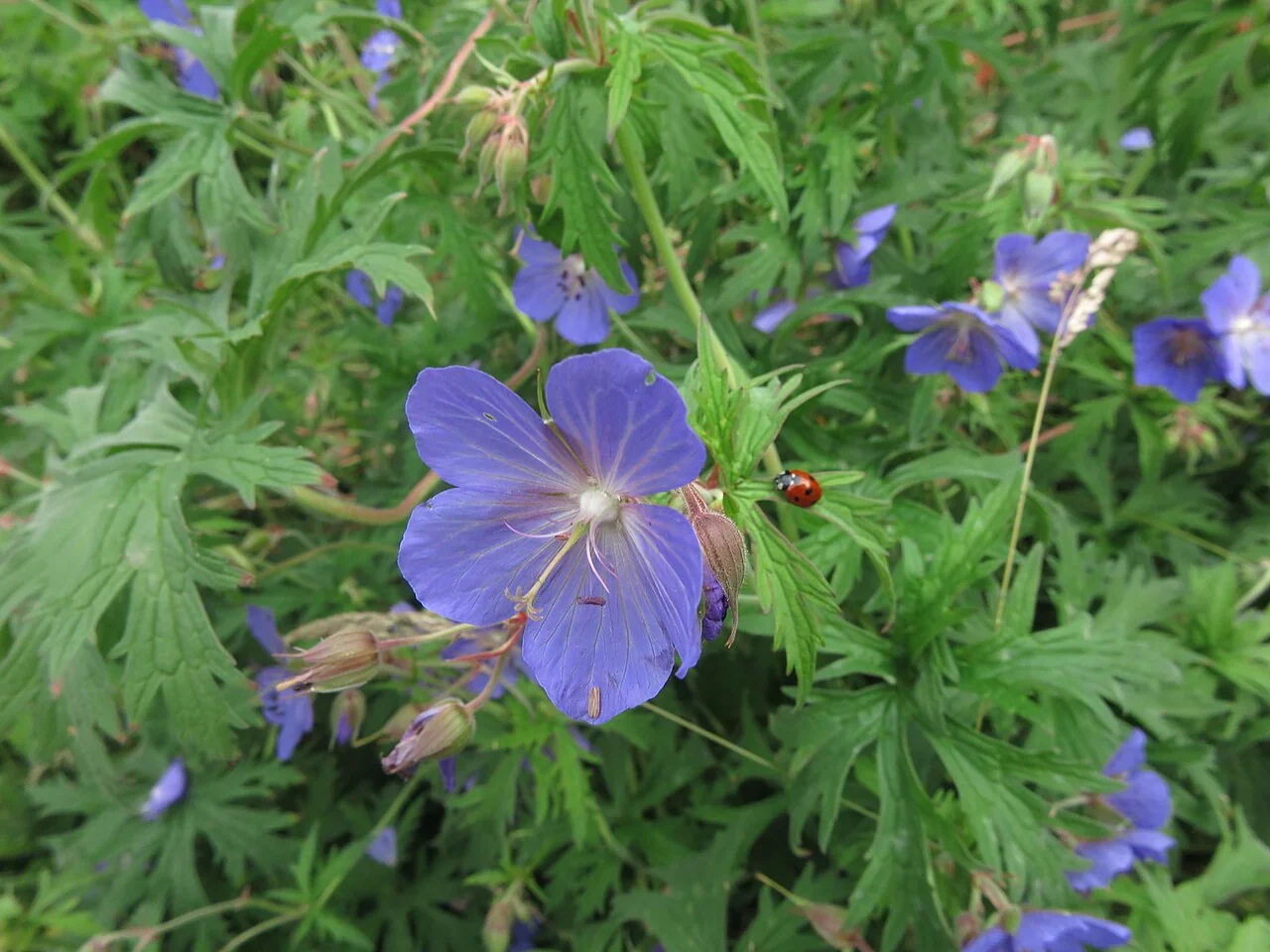
A patch of land with many kinds of flowers may look rich in life, but biodiversity includes much more than what a person can see at a glance. It describes variety at several connected levels: differences among genes, the range of species, and the ecosystems where life interacts. That makes biodiversity a way of understanding living variety, not simply a tally of large or charismatic animals.
Three levels in one word
The National Park Service defines biodiversity as the variety of life on Earth and describes it as spanning ecosystems, species and genes. [1] These levels answer different questions. Species diversity asks which organisms are present and how varied they are. Genetic diversity concerns differences within a species. Ecosystem diversity concerns the variety of habitats and ecological settings where organisms live.
The levels connect. A species may include populations with different inherited traits, and those populations live within habitats shaped by water, soil, climate and other organisms. A change in habitat can affect which species persist, while reduced variation within a species can limit the range of traits available to populations. Biodiversity therefore describes a web of variation, not a single score.
Life that is easy to miss
The definition includes organisms that may not be obvious: microorganisms, invertebrates and species that are uncommon or poorly known. [1] A roadside verge, garden bed or forest floor is not merely scenery; it can contain fungi, insects, soil organisms and plants interacting in ways that are hard to observe without close attention.
This is why a list of birds or trees alone cannot represent all biodiversity in a place. The visible species matter, but they are only part of the picture. Even a familiar plant community depends on less visible processes, including decomposition and the movement of nutrients, that involve other forms of life.
A habitat is more than a backdrop
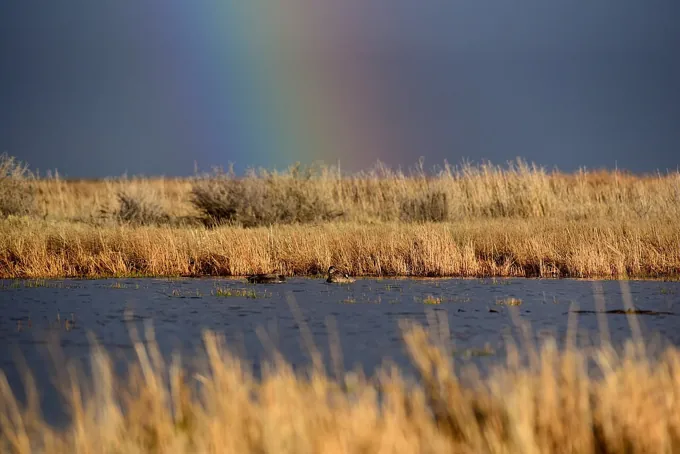
An ecosystem includes living organisms and the setting in which they interact. Consider a wetland: plants, insects, birds and microbes occupy different niches, while water conditions and seasonal changes shape what can survive. The ecosystem level helps describe that broader arrangement. The example illustrates the concept; it does not imply that every wetland has the same species or conditions.
The same distinction applies close to home. A lawn, a planted garden and a patch of native vegetation may all contain living organisms, yet their habitats can differ in structure and the opportunities they provide. To understand biodiversity, ask not just how many kinds of organisms are present, but what relationships and habitats support them.
Biodiversity is not a synonym for native
A species’ origin and a place’s biodiversity are related questions, but they are not interchangeable. The National Invasive Species Information Center explains that an invasive species is non-native to the ecosystem under consideration and causes or is likely to cause harm; non-native and invasive are not synonyms. [2] Some non-native organisms are beneficial or simply do not meet that definition, while an invasive species can threaten native communities and alter habitats.
This distinction matters when people discuss gardens, agriculture or changing landscapes. A species count alone cannot tell you whether an organism is causing harm, how it arrived or what role it plays. Those judgments depend on the local ecosystem and evidence about impact.
How to use the idea in everyday observation
When you look at a place, notice several layers: types of habitat, kinds of plants and animals, and evidence of less visible life such as leaf litter, fungi or pollinator visits. The Fish and Wildlife Service notes that pollinators support plants and animals people depend on, including food systems, and identifies habitat conservation as important to pollinator conservation. [3] That is one example of relationships connecting species to wider ecological patterns.
You do not need to identify every organism to understand the core idea. Start by asking what kinds of life are present, what habitats they use and which interactions are visible. Biodiversity is the variety within that living picture, from genetic differences to the ecosystems that make life possible.
Follow the evidence
Primary sources used in this story. Practical examples are illustrative unless a source states otherwise.
- US National Park Service: What is biodiversity? ↗
- National Invasive Species Information Center: What are invasive species? ↗
- US Fish and Wildlife Service: Pollinators ↗
Read our editorial standards. Have a correction? Identify the article and relevant source in your feedback to the site owner.