tree day
Guide
Species diversity vs genetic diversity?
Species diversity counts the variety of species in a place; genetic diversity describes variation within a species. Both matter, but they answer different questions about the resilience and makeup of living communities.
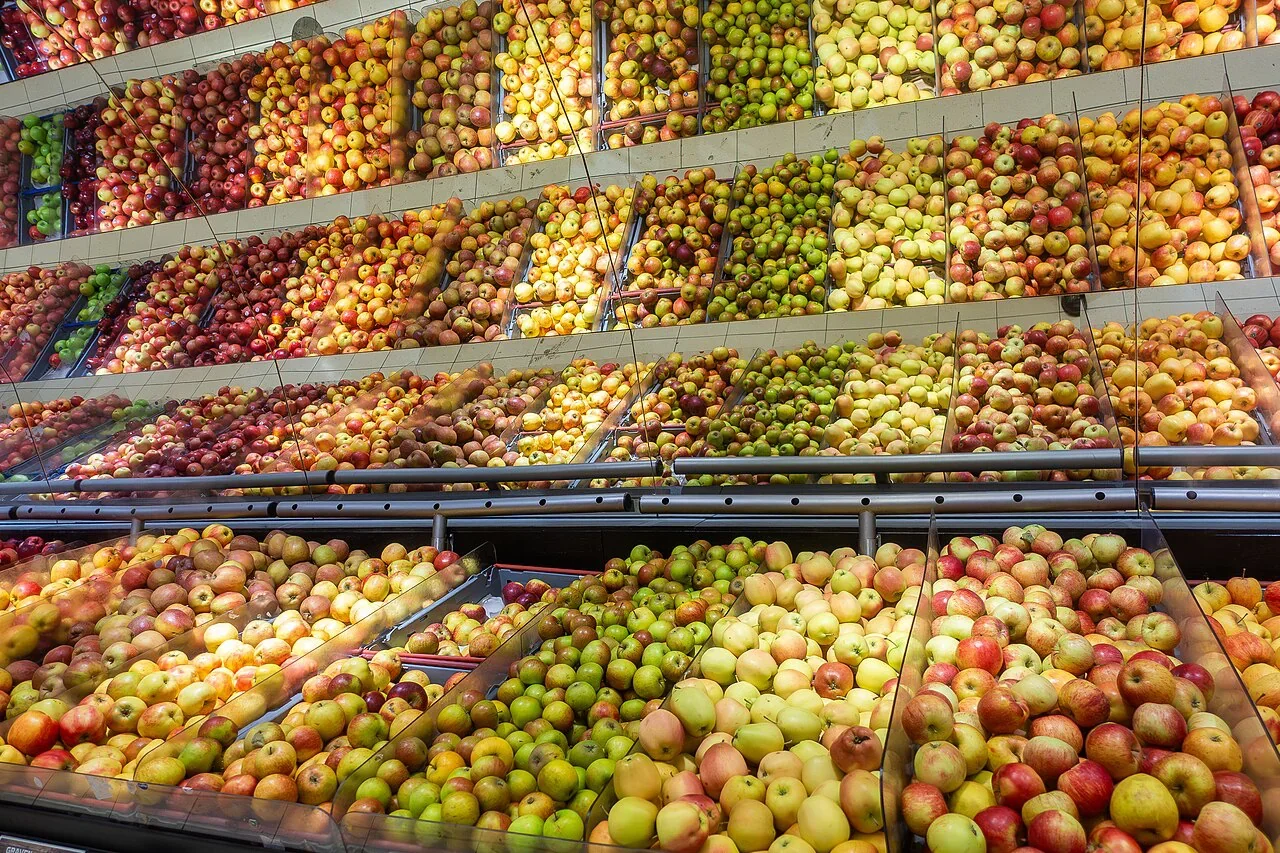
A meadow with many kinds of wildflowers has high species variety; a population of one flower species can still contain substantial genetic variety. The distinction is scale: species diversity asks which kinds of organisms are present, while genetic diversity asks how much inherited variation exists among individuals of the same species. Biodiversity includes life at these levels as well as ecosystems, as the National Park Service explains [1].
Two different ways to count variety
Species diversity concerns the range of species in a defined place and, depending on the measure, how evenly individuals are distributed among them. A site with ten species represented in similar numbers differs from one where a single species dominates and the other nine are rare. The species list alone misses that difference.
Genetic diversity concerns differences in inherited material among individuals or populations within a species. Those differences can affect traits such as timing, size, color, or tolerance of environmental conditions. They are not necessarily visible, and an observer cannot reliably infer a population's genetic variety just by looking at it.
A garden example shows the distinction
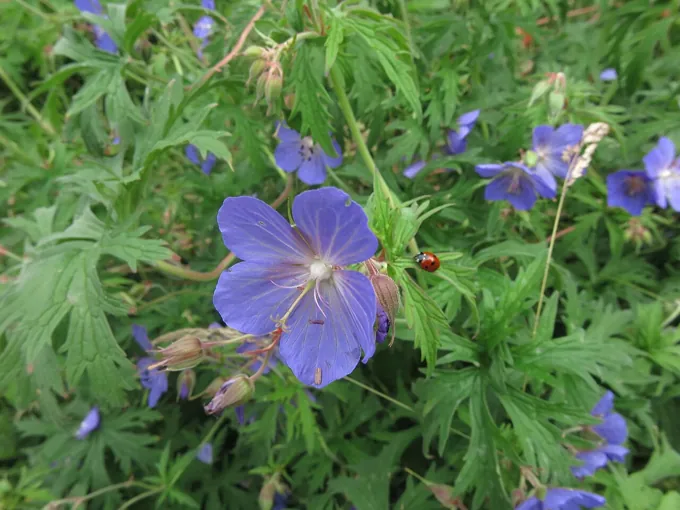
Imagine a small community garden containing several kinds of flowering plants, each represented by one or two specimens. Its species diversity may be conspicuous. Now imagine a patch made up mostly of one native flower species, with many plants that came from varied local populations. It may have fewer species but more genetic variation within that flower population. These are hypothetical examples; neither measure automatically tells the whole story of habitat quality.
For a gardener deciding what to plant, the distinction suggests two complementary questions: how many appropriate species can the site support, and are the plants of each species suited to local conditions and drawn from suitable sources? The answer depends on climate, soil, water, and local ecological guidance; simply increasing a count is not a complete conservation plan.
Why the within-species level matters
Variation gives a population a broader set of inherited traits. If conditions change, some individuals may be better suited to the new conditions and contribute offspring. This is a possibility, not a guarantee that a genetically varied population will withstand any disturbance. Population size, habitat, reproduction, and the nature and pace of change also matter.
A population can lose genetic variety when it becomes very small or isolated and fewer individuals reproduce. That can narrow the range of inherited differences over generations. This concern is distinct from losing a species entirely: a species may still be present while a particular local population has become small or genetically limited.
How the two measures fit together
Species and genetic diversity overlap without substituting for each other. Many species can each have small, isolated populations; conversely, one widespread species can contain substantial variation across its range. Biodiversity is broader still, extending from genes through species to ecosystems [1]. A useful assessment specifies its scale and question before choosing a measure.
For example, a pollinator planting might be evaluated by whether it offers a range of suitable flowering plants, while a restoration project may also ask whether plant material is appropriate to its location. The Fish and Wildlife Service describes pollinators as supporting plants, wildlife, food, and the economy, and points to habitat restoration as part of conservation [2]. That supports attention to habitat and plant variety, but does not establish a universal seed-source rule.
Choose the question before the metric
A common mistake is to treat a longer species list as proof that every population is secure. A list says little about whether each species has enough individuals, whether those individuals are connected, or how much variation exists within them. Likewise, genetic variety alone does not show whether a place supports a broad community of organisms.
If you are comparing sites or planning a planting, first state what you want to know: the number and balance of species, the variation within a focal species, or the condition of the whole habitat. Then seek a locally appropriate inventory or advice from a conservation organization. The useful next step is a clearly scoped question, not a single biodiversity score.
Follow the evidence
Primary sources used in this story. Practical examples are illustrative unless a source states otherwise.
Read our editorial standards. Have a correction? Identify the article and relevant source in your feedback to the site owner.