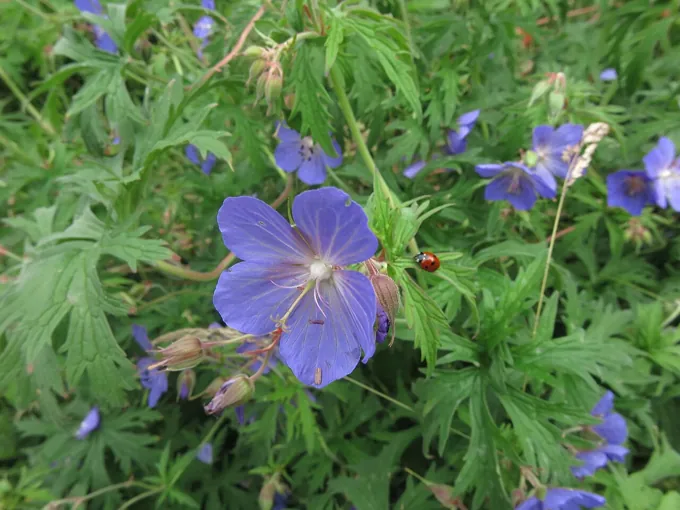
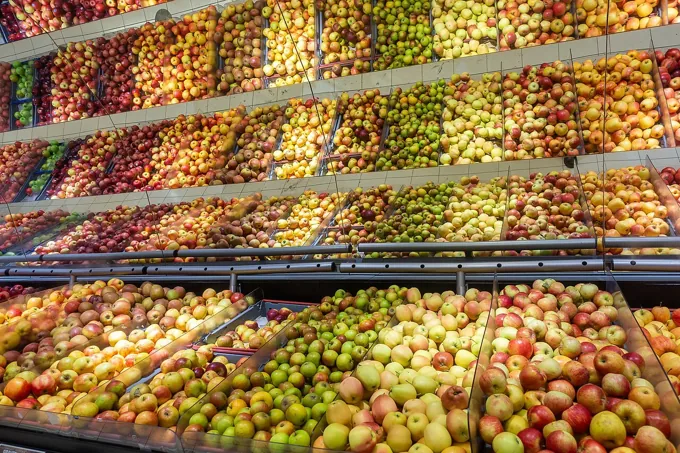
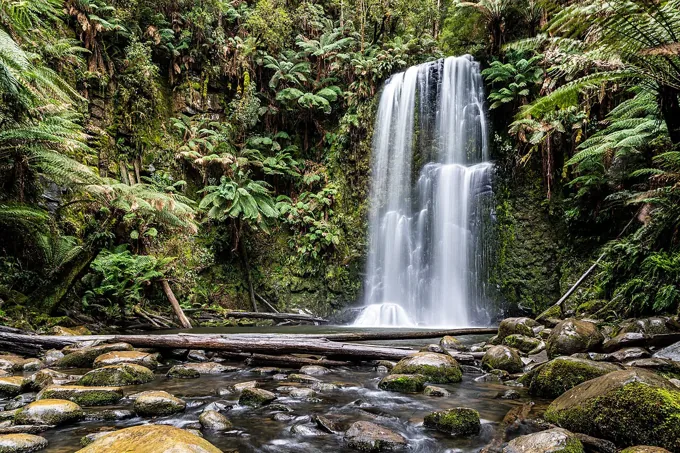
tree day
Guide
Why is biodiversity important?
Biodiversity matters because living systems connect species, habitats and ecological processes, while people rely on some of those relationships for food, livelihoods and well-being. Its value is practical and ecological, even when individual organisms are not immediately visible or useful to us.
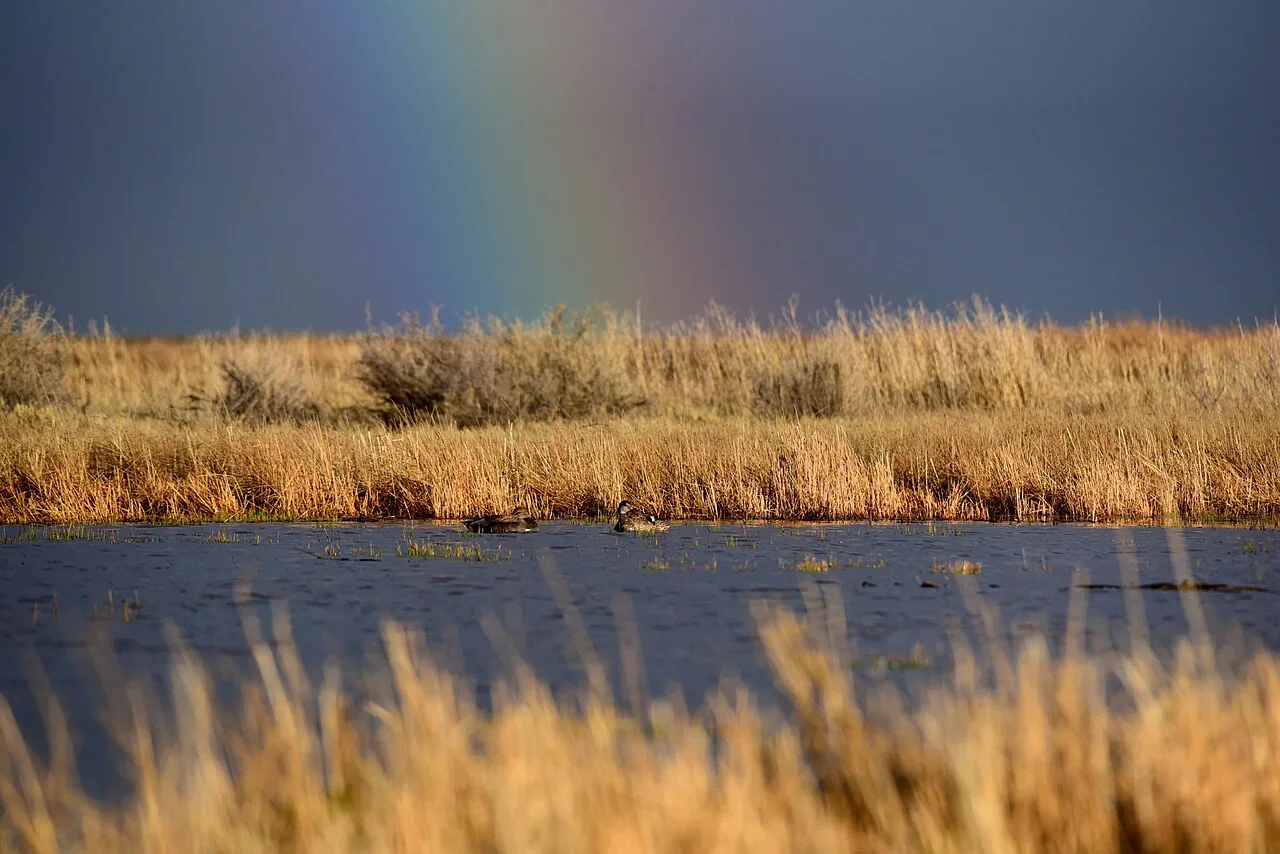
Biodiversity matters because life does not operate as a collection of separate pieces. Plants, animals, fungi and microorganisms interact within habitats, and people depend on some of those relationships for food and other benefits. When a species or habitat is lost, the effects can reach beyond the organism itself, though the consequences vary by place and cannot always be predicted from a simple species count.
Living relationships support human needs
The Fish and Wildlife Service describes pollinators as providing benefits to people and wildlife by helping plants and animals that people depend on thrive, while supporting food and the economy. [1] This is a clear example of ecological relationships becoming relevant to everyday life: pollination connects insects and other pollinators with plants, including plants used for food.
The relationship does not mean every crop depends on the same pollinators or that every pollinator visit produces a harvest. It shows why the condition of habitats and the needs of other species can matter to human systems. Biodiversity helps sustain the variety of organisms and interactions on which ecological functions depend.
Different species do different work
A habitat’s organisms occupy different roles. Some provide food, some pollinate plants, and others decompose dead material or help shape the conditions in which other organisms live. Losing one organism does not always produce the same result as losing another; effects depend on its role, how specialized its relationships are and what else remains in the system.
This is one reason biodiversity is not captured by a simple count. A place with many species can still be under pressure if important habitats are degraded or interactions are disrupted. Conversely, a species list tells only part of the story unless it is understood alongside habitat condition and ecological relationships.
Biodiversity includes resilience and variation
Variation within species and across ecosystems gives life different characteristics and ways of functioning. The National Park Service describes biodiversity as spanning genes, species and ecosystems. [2] These layers make a difference when conditions change: populations and habitats are not identical, and that variation can shape which organisms persist under particular conditions. This is a general ecological explanation, not a guarantee that diversity will prevent harm from any disturbance.
Biodiversity is therefore important even when its benefits are not immediately measurable. It records the range of life and relationships present, and helps people understand what may be at stake when a habitat changes. It is also a reminder that organisms we overlook can be part of the systems supporting more visible species.
Loss can alter places and livelihoods
The National Invasive Species Information Center says invasive species can threaten native plant and animal communities, destroy biodiversity and permanently alter habitats. [3] This describes one pathway of ecological change, not a claim that every non-native species is harmful. The agency distinguishes invasive species from non-native species generally, because harm is part of the definition.
Habitat change can matter to people when it affects food, access to nature or other local benefits. The exact effects depend on the place, species and activity involved. That is why decisions about land, gardens and conservation need local information rather than a universal rule based on whether a species is unfamiliar.
What importance looks like nearby
In a home garden, biodiversity may be visible as different flowering plants and visiting insects, but habitat quality and local suitability matter too. The Fish and Wildlife Service identifies restoring habitat and meeting pollinator needs as part of pollinator conservation, and mentions native pollinator gardens as one possible action. [1] A useful next step is to learn which plants and habitat features are suitable for your region from local conservation or extension guidance.
At a wider scale, biodiversity gives communities a way to think about what living relationships they rely on and what changes could affect them. Its importance is both intrinsic—the variety of life has value in itself—and practical, because people are part of ecological systems. Start with one nearby habitat and ask what lives there, what supports it and which local pressures are changing it.
Follow the evidence
Primary sources used in this story. Practical examples are illustrative unless a source states otherwise.
- US Fish and Wildlife Service: Pollinators ↗
- US National Park Service: What is biodiversity? ↗
- National Invasive Species Information Center: What are invasive species? ↗
Read our editorial standards. Have a correction? Identify the article and relevant source in your feedback to the site owner.