tree day
Guide
How to make a wildlife friendly garden?
A wildlife-friendly garden combines locally suitable plants with food, shelter and places to move through the yard. Begin with the conditions you have, then improve one section at a time.
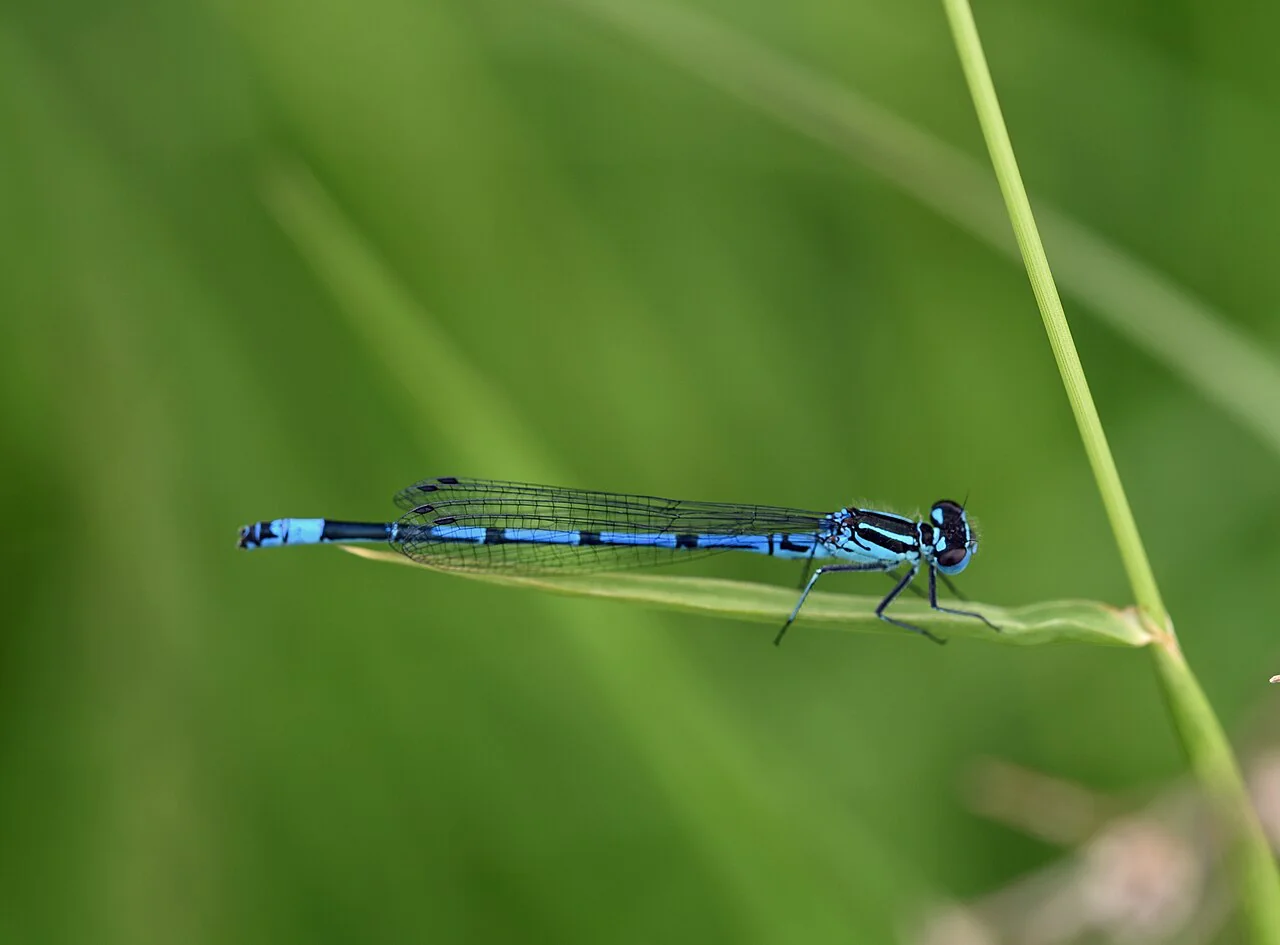
A wildlife-friendly garden does not need to look wild everywhere. It needs useful features in the parts you can manage: plants suited to the site, flowers and shelter, and fewer barriers between these resources. The U.S. Fish and Wildlife Service identifies native pollinator gardens as one way people can contribute to conservation. [1] Begin with one manageable patch and let local conditions guide its design.
Read the site before choosing plants
Spend a few days noticing sun, shade, drainage and how people move through the yard. A sunny front border, damp corner and balcony container have different constraints. Write down what you observe rather than selecting plants first. Then consult a regional native plant list or local extension resource for species that fit the conditions.
Native status depends on place, and “native” alone does not guarantee that a plant suits every site. A plant adapted to one region or soil can struggle in another. Check mature size, water needs and flowering period before buying. A locally appropriate mix can support more kinds of life than a single dense planting, while remaining manageable if its scale fits your household.
Build food and shelter into the same plan
Flowers can provide resources for pollinators; shrubs, grasses, leaf litter and other structures can offer shelter or places to rest. The Fish and Wildlife Service highlights habitat restoration and native pollinator gardens as parts of its conservation work. [1] The broader idea is to think beyond bloom color: consider what is available at different times and where organisms can move or shelter.
A hypothetical small yard might keep a clear path and play area, then convert a narrow lawn edge into a bed with several locally suitable flowering species and a few taller plants for structure. If space is limited, containers grouped together can still create a useful patch. The example is not a universal design; actual species and spacing should follow regional advice and the site’s light, soil and moisture.
Keep connections and boundaries practical
Wildlife benefits from access to resources, so avoid scattering every useful feature into isolated, tiny dots if a connected planting is feasible. Even a small yard can link a flowering border to a shrub or container group. If neighboring yards or public green space already provide habitat, consider how your choices might complement them rather than duplicate a single feature.
Set clear boundaries where natural areas meet paths, fences or neighboring property. Keep plants from blocking visibility, access or drainage. Where a yard borders a stream or woodland, check local guidance before adding plants or moving soil; ornamental species can escape cultivation, and invasive species can harm native communities. [2] A tidy edge can make a habitat patch easier to maintain and easier for neighbors to understand.
Manage the garden without erasing it
A common mistake is to remove all stems and leaves at once because a clean surface seems like the only sign of care. Some insects use plant material or undisturbed ground, so consider leaving a defined area less intensively managed if it is safe and suitable. Keep regularly used paths, drains and building edges clear, and use local advice to decide what should remain.
If you use pesticides, consult the product label and local guidance before applying anything. The references do not provide product-specific instructions, so do not infer that a treatment is safe for pollinators from a general garden claim. Identify the problem and consider whether a response is necessary. A wildlife-friendly garden still needs practical maintenance; the aim is to choose maintenance that retains useful habitat where possible.
Observe what the garden actually supports
Watch at different times of day and across the flowering season. Note which plants receive visits, where insects shelter and whether a section is difficult to maintain. The Fish and Wildlife Service says pollinators provide benefits to people and wildlife and reports declines in pollinator populations across the United States. [1] A household garden is one contribution to a wider conservation effort, not a substitute for habitat work and science at larger scales.
Use what you see to guide the next change. If a bed is too dry, choose plants suited to that condition rather than adding water on a fixed schedule. If few flowers are available late in the season, ask a local source about suitable later-blooming choices. Keep one area as an experiment, record what works, and expand only when the planting is useful to wildlife and manageable for you.
Follow the evidence
Primary sources used in this story. Practical examples are illustrative unless a source states otherwise.
- US Fish and Wildlife Service: Pollinators ↗
- National Invasive Species Information Center: What are invasive species? ↗
Read our editorial standards. Have a correction? Identify the article and relevant source in your feedback to the site owner.