tree day
Guide
How to identify invasive plants?
Reliable identification starts with a location, clear images and several plant features, then checks the result against local official guidance. A fast-spreading plant is a reason to investigate, not proof by itself.
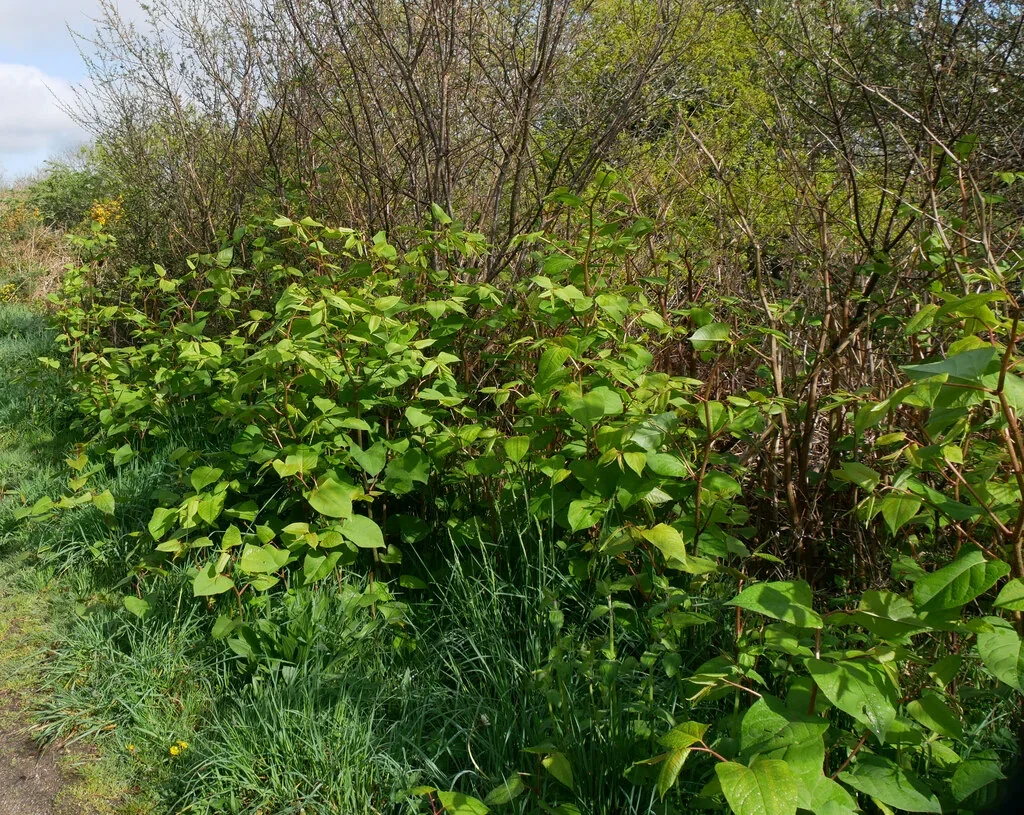
A plant spreading beyond its bed may be troublesome, but fast growth alone does not establish that it is invasive. The term applies to a non-native species that causes, or is likely to cause, harm in the ecosystem being considered. [1] To identify a possible invasive plant, combine its location with multiple visible traits, confirm the exact species and consult current regional guidance before removing or reporting it.
Start with where it is growing
Record the location in ordinary terms: a garden bed, roadside, stream edge or woodland boundary. Location matters because non-native status and ecological risk depend on the ecosystem under consideration. A plant native to one region can be non-native elsewhere, and a species’ behavior may differ across climates and habitats.
Notice whether it is planted or growing on its own, and whether it appears in several places. This observation can help guide a local search, but it does not prove a species is spreading naturally: gardens, landscaping and discarded plant material can also explain where a plant appears. Do not move a suspected plant, seed or soil to another site while you are checking its identity.
Document more than one feature
Take clear photographs of the whole plant, its leaves, stem, flowers or fruit, and the way leaves attach to the stem. Include a familiar object for scale where possible, but do not handle an unfamiliar plant if that could expose you to thorns, sap or another hazard. Note the season and the approximate size. Many plants look similar when photographed from only one angle.
Compare several features with a reliable field guide or official plant profile. Leaf shape by itself is rarely enough: closely related species may share it, while the same species can look different at different growth stages. Flowers, seed structures, stem markings and growth habit can help narrow the possibilities. If the plant is not flowering, record that and return later if it is safe to do so.
Check the exact name against local lists
Once you have a likely identification, search official state, county or regional invasive species resources for that exact name. The National Invasive Species Information Center explains that invasive species are non-native to the ecosystem under consideration and cause, or are likely to cause, economic or environmental harm or harm to human health. [1] A name on a broad national list may be a useful lead, but local guidance is more useful for what to do at your specific site.
Distinguish among a confirmed invasive listing, a watch list or an uncertain identification. Those categories can mean different things. If you are unsure, contact the local extension service, conservation department or invasive species coordinator and provide your photographs and location. Do not treat an app suggestion or a neighbor’s guess as a definitive identification.
A practical example: an expanding garden patch
Imagine a vine appearing along a fence and then in a nearby unmanaged strip. Photograph the leaves, stem and any flowers or fruit; note whether it is rooted in the garden or appears farther away; and record the month. Compare those features with regional plant profiles, then ask the local authority whether the suspected species is listed and how it should be handled.
The next step may be simple monitoring, reporting or removal, depending on the species and site. Do not assume that pulling or cutting is always the right choice: some plants can regrow from fragments, and removal can disturb soil or nearby habitat. If guidance recommends control, follow its specific method and disposal instructions. For a large infestation or a plant near water, a professional or agency may be better placed to advise.
When not to pull first
A common mistake is to remove a plant before confirming what it is. That can destroy a native species, spread viable fragments or seed, or create a bare patch that is quickly colonized. Another mistake is to transport plant material in an open vehicle or compost it without checking whether the local disposal method is appropriate.
If the plant could pose a safety concern, keep people and pets away while seeking local advice. For routine garden questions, take photos and avoid disturbing the plant until you know its identity and the recommended response. Local rules and disposal options vary, so official guidance should determine the next action.
Follow the evidence
Primary sources used in this story. Practical examples are illustrative unless a source states otherwise.
Read our editorial standards. Have a correction? Identify the article and relevant source in your feedback to the site owner.