tree day
Guide
Why insects matter?
Insects are part of biodiversity and connect plants, wildlife and human life in ways that are easy to overlook. Seeing their value clearly means looking beyond the few species that visit a flower or bother a household.
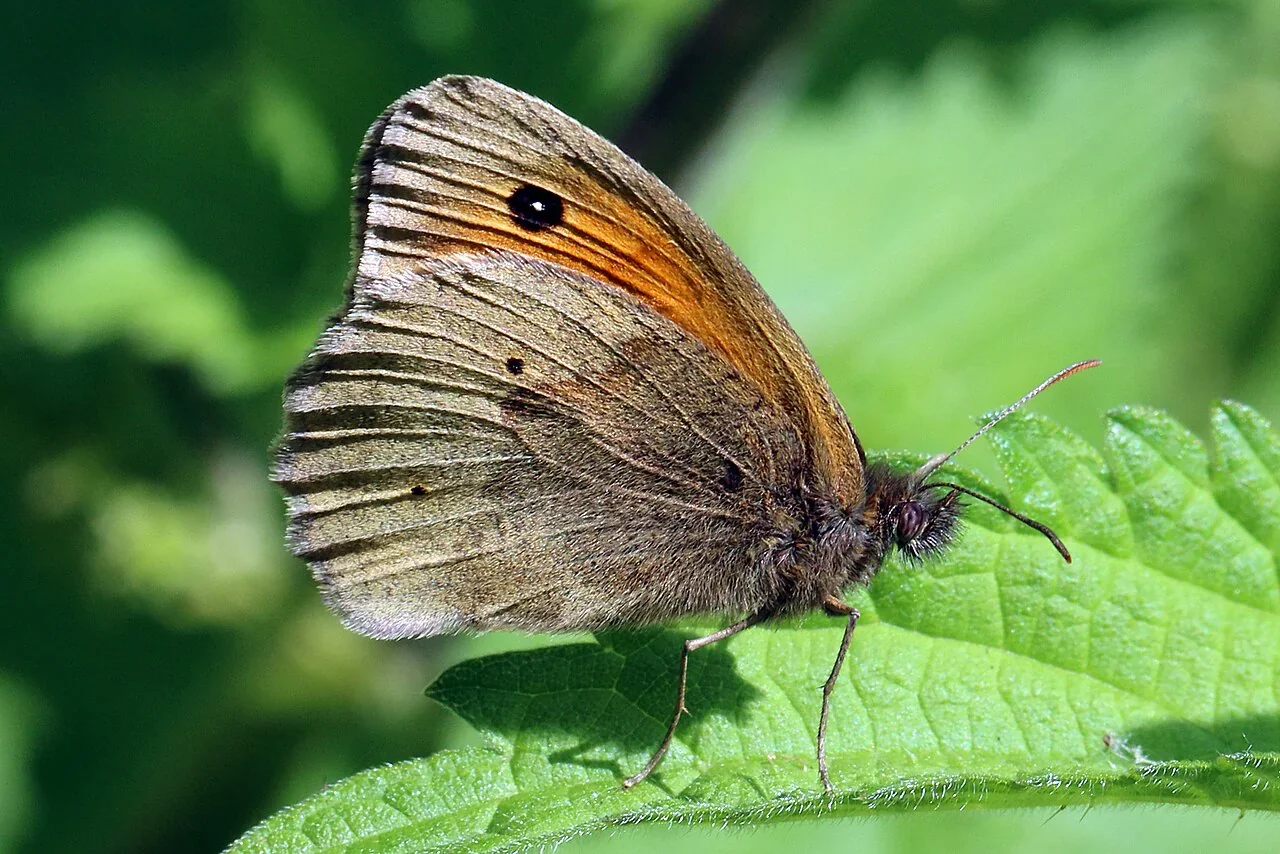
A garden may seem to work without insects until you notice what depends on them: flowering plants, animals that feed on them and the wider food webs around a yard. Insects are part of biodiversity, which includes organisms that are not well known or easily seen. [1] Their importance is not limited to pollination, and their value does not depend on every species being welcome indoors.
They are part of biodiversity’s full web
The National Park Service defines biodiversity as the variety of life and says it spans ecosystems, species and genes. It explicitly includes organisms that are not well known, such as invertebrates and microorganisms. [1] Insects are one large and varied part of that life. Thinking in terms of biodiversity shifts attention away from a short list of charismatic animals and toward the relationships that let ecosystems function.
That breadth matters in ordinary settings. A yard is not just plants plus a few visible birds; it is a collection of organisms interacting with one another and with soil, water and shelter. Some insects are easy to recognize, while many are small, seasonal or active at different times. A quick visual count is therefore a limited picture of what is present.
Pollination connects insects to plants and people
Some insects carry pollen as they visit flowers. Pollination helps plants reproduce, linking insect behavior with seeds, fruit and the continuation of plant populations. The U.S. Fish and Wildlife Service describes pollinators as providing benefits to people and wildlife by helping plants and animals people depend on thrive and by supporting food and the economy. [2] This is one clear reason that insects can matter far beyond the flower they are visiting.
Pollination is not the only interaction in a garden, and not every insect is a pollinator. A useful distinction is between an ecological role and a broad label: “insect” includes many kinds of organisms with different feeding habits and life cycles. A plant that attracts one kind of insect may also provide food for another organism at a different stage. Avoid judging the whole group from a single pest encounter.
Insects also support other wildlife
Insects are food for many animals, so changes in insect communities can affect creatures higher in a food web. The references do not quantify those relationships, but the biodiversity framework makes clear that life is connected across ecosystems and species. [1] A garden with varied plants and undisturbed places can support a wider range of interactions than a uniformly clipped space, depending on local conditions.
This does not mean every insect belongs in every part of a home. Some species damage crops, spread disease or become household pests. The practical goal is to manage conflicts while recognizing that insects outdoors are part of the ecological community. Identify the actual problem first, then seek local guidance on a response that fits the species and setting.
Why losing variety has consequences
The Fish and Wildlife Service reports that pollinator populations across the United States are declining, and it identifies habitat restoration and pollinator science as part of its conservation work. [2] That statement concerns pollinators, not every insect, and it does not specify a single cause in the reference. It nevertheless illustrates how concern about one important group can matter to plants, wildlife and people.
The invasive species resource explains that invasive species can threaten native plant and animal communities, damage biodiversity and alter habitats. [3] This is another reason ecological relationships matter: introducing a species can change the community around it. The source does not claim that every non-native insect is invasive. Precise language helps distinguish a species’ origin from its impact.
Make room for useful encounters
A practical way to respect insects is to make some outdoor space suitable for them while keeping the parts of the home that need to stay pest-free well maintained. Plant locally appropriate flowers, avoid unnecessary disturbance of habitat and learn which species are actually present before deciding they are harmful. The Fish and Wildlife Service names a native pollinator garden as one action people can take. [2]
If an insect is causing a problem, take a photograph from a safe distance and consult local extension or public health guidance for identification and options. If it is simply visiting a flower, observe what it is doing before removing it. That small pause turns a vague category into a more useful question: what is this organism, what role might it play here, and what response suits this specific place?
Follow the evidence
Primary sources used in this story. Practical examples are illustrative unless a source states otherwise.
- US National Park Service: What is biodiversity? ↗
- US Fish and Wildlife Service: Pollinators ↗
- National Invasive Species Information Center: What are invasive species? ↗
Read our editorial standards. Have a correction? Identify the article and relevant source in your feedback to the site owner.