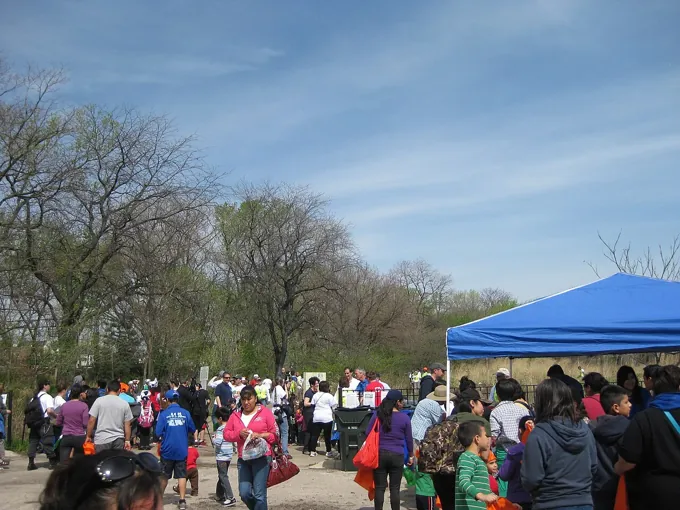
tree day
Guide
Public transport and the environment?
Public transport can reduce the number of individual car journeys needed for a trip, while its environmental effects depend on service, occupancy, energy and the street network around it.
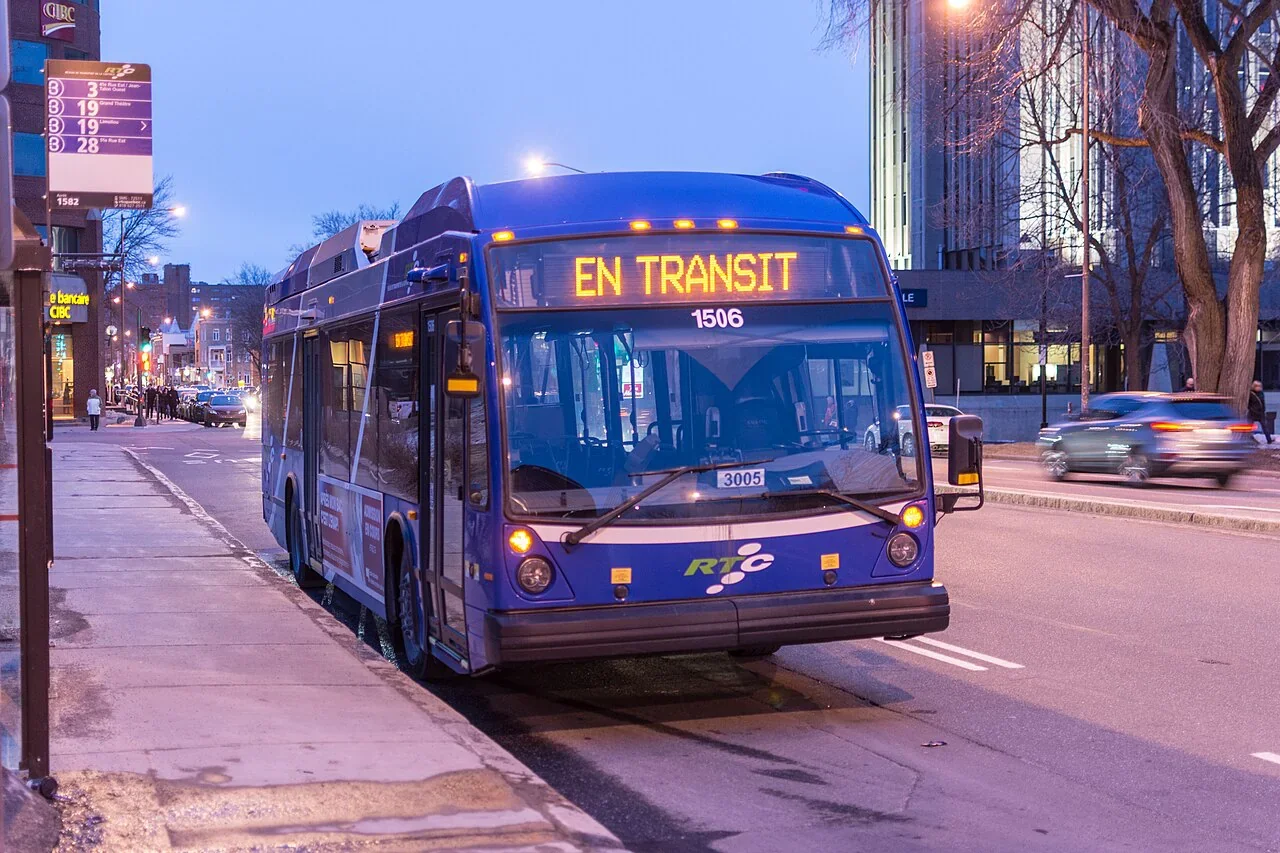
A bus or train can replace several separate car journeys when people share a vehicle, but the environmental result depends on the service and the trip it replaces. A nearly empty bus, a crowded train and a car-dependent route are different situations. To understand public transport’s environmental role, look at how it moves people, what infrastructure it relies on and whether people can reach it conveniently.
Sharing a vehicle changes the trip equation
A transit vehicle carries many passengers along one route, so its energy use and emissions are shared across those trips. How much that matters depends on the vehicle, its energy source, how many people ride and what those passengers would otherwise use. Transit does not have one fixed environmental footprint that applies to every city or journey.
For an explicitly hypothetical comparison, imagine four people traveling to the same district. If each would otherwise drive alone, one shared bus or train trip could avoid four separate car journeys. If they were already walking or cycling, taking transit would not replace those car trips. The relevant comparison is the alternative that would actually happen.
Access determines whether transit is usable
A route can be frequent and still be hard to use if the stop is far away, the sidewalk is incomplete, the vehicle or station is inaccessible, or the service does not run when a person needs it. A practical trip includes getting to the stop, waiting, transferring and making the final walk. Service maps alone do not capture all of those conditions.
In a hypothetical neighborhood, someone may live close to a bus stop but need to cross a high-speed road without a safe crossing. The transit option exists on paper, but the street design makes it less usable. Shade and vegetation can make some urban walking routes more comfortable; the EPA identifies trees and vegetation as ways communities can address heat islands. That benefit depends on local conditions and does not replace safe access. [2]
Transit and the shape of streets
Public transport works best as part of a connected system: safe walks to stops, routes that reach useful destinations, and service that people can rely on. Street design also affects rain and water. The EPA explains that stormwater can flow over developed areas into drains and waterways, carrying pollutants, and describes green infrastructure such as rain gardens, green roofs and permeable pavement as approaches that help filter or soak up rain where it falls. [1]
These street improvements can support a more comfortable public realm, but they serve distinct purposes. A bus lane may improve transit movement; a planting area may help manage runoff; a sidewalk connects people to both. Planning them together can make a street work better, while assuming that any single feature solves every transport or environmental problem can lead to poor design.
Weigh trade-offs honestly
Transit can take longer than driving, require transfers, or offer limited service outside central areas. Building or maintaining stations, tracks and roads also has environmental and land impacts. Those costs should be considered alongside the movement of people over time, rather than judging a system by a single vehicle or a single trip.
For an individual trip, compare realistic options: direct transit, a walk to a closer stop, cycling for part of the way, or driving to a station if that still replaces a longer car journey. A combination can be more practical than insisting on one mode from door to door. The best option may also change with weather, accessibility needs, luggage or the time of day.
Make the next trip a useful test
Choose a trip you make regularly and check the actual timetable, stop access and total door-to-door time. Note where the journey feels easy and where it breaks down, such as a long wait or an awkward transfer. That evidence can help you decide whether transit can replace one recurring car trip, and it can help communities identify service gaps without overstating what one route can achieve.
The environmental contribution is strongest when service is usable and people have a credible alternative to individual car travel. Start with one trip that fits the network, then decide whether a recurring change is practical for your schedule and needs.
Follow the evidence
Primary sources used in this story. Practical examples are illustrative unless a source states otherwise.
Read our editorial standards. Have a correction? Identify the article and relevant source in your feedback to the site owner.