An independent journal for a living planetMonday, 2 November 2026
tree day.

A greener world.
A life well lived.

IDEAS TO TAKE INTO EVERYDAY LIFE

People & places

Greener streets and practical ideas for living together.

33 articles

Clear filters

Photo credits & licence

People & places · Guide

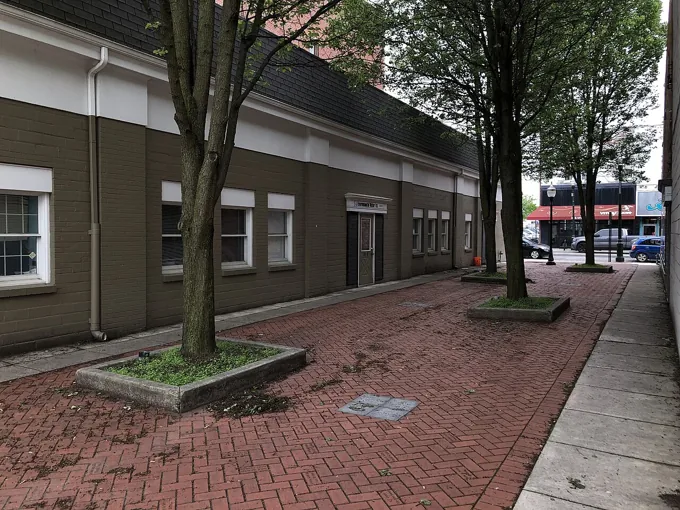
What is a 15 minute city?

A 15 minute city is a planning idea that brings everyday destinations closer to where people live, with walking, cycling and transit making those services reachable for more residents.

· 3 min 4 sec read ↗

Photo credits & licence

People & places · Guide

What is a pocket park?

A pocket park is a small public green space fitted into a compact urban site; understanding who can reach it, what it offers and who maintains it matters more than its size alone.

· 3 min 46 sec read ↗

Photo credits & licence

People & places · Guide

What are nature based solutions?

Nature based solutions use ecosystems to address human challenges while supporting ecological health; learn what the term covers, where it fits and what to check before backing a project.

· 3 min 43 sec read ↗

Photo credits & licence

People & places · Guide

What is a just transition?

A plain-language guide to just transition: how environmental change can protect livelihoods, share its costs fairly and give affected people real influence over decisions.

· 3 min 51 sec read ↗

Photo credits & licence

People & places · Guide

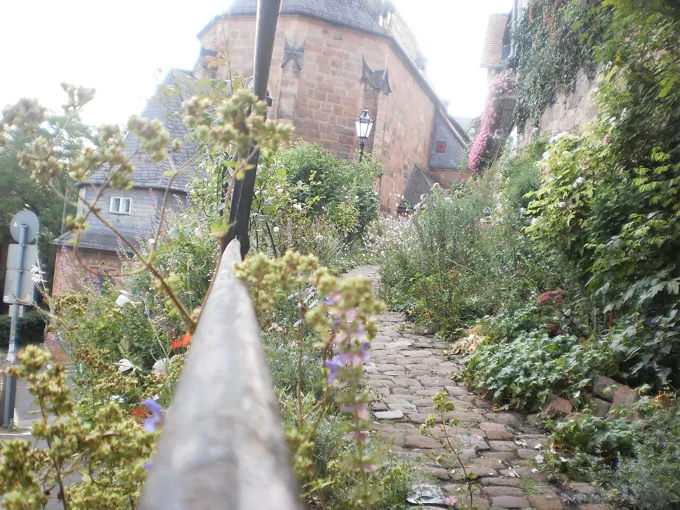
What is a green corridor?

A green corridor is a connected or linked strip of vegetation through a developed area, but its value depends on what it connects, which species or people it serves and how it is maintained.

· 3 min 37 sec read ↗

Photo credits & licence

People & places · Guide

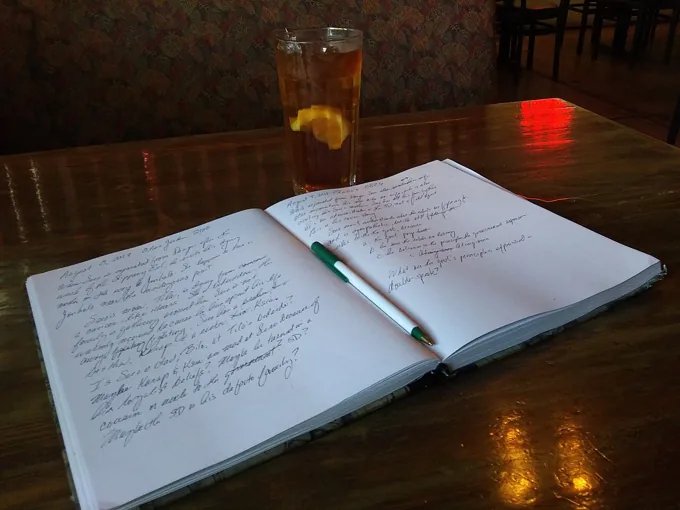
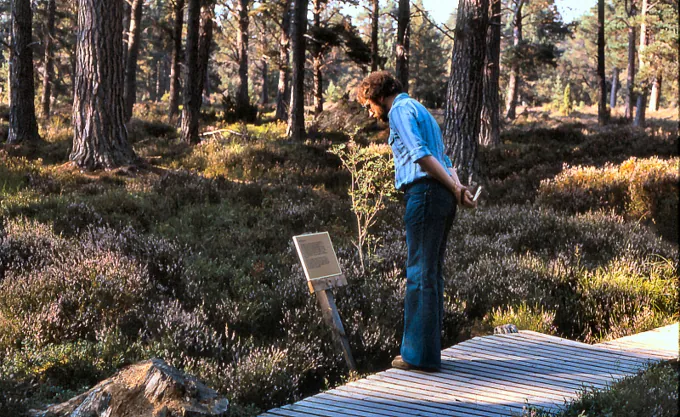
How to keep a nature journal?

A useful nature journal records dated observations separately from guesses, then returns to the same place to notice change. Keep entries short, consistent and suited to what you can actually observe.

· 3 min 6 sec read ↗

Photo credits & licence

People & places · Guide

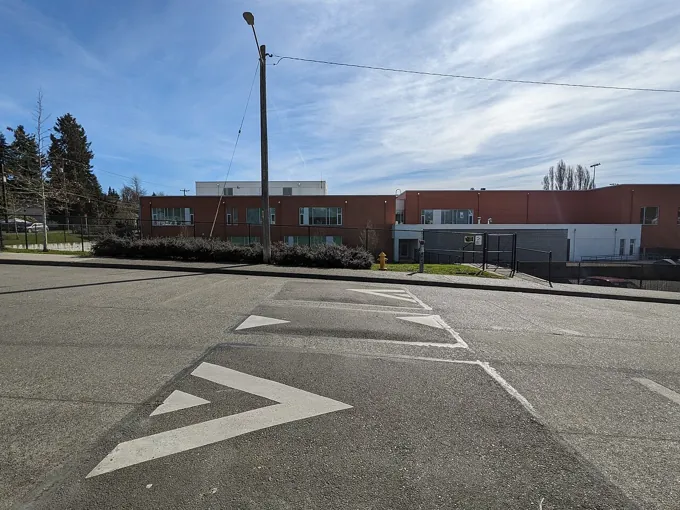
What is a low traffic neighbourhood?

A low traffic neighbourhood uses street changes to discourage through-driving on local streets while keeping routes for residents and essential access; its design and effects depend on local details.

· 3 min 8 sec read ↗

Photo credits & licence

People & places · Guide

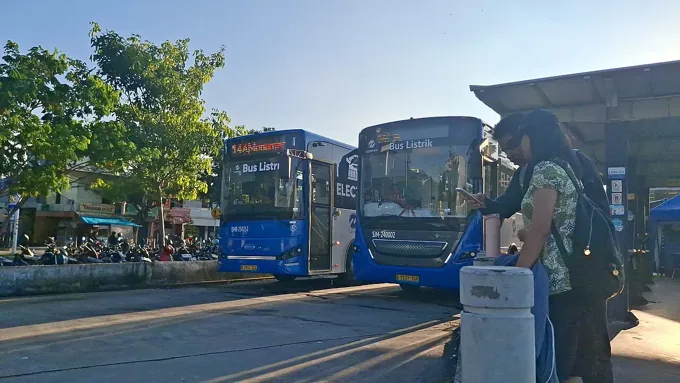
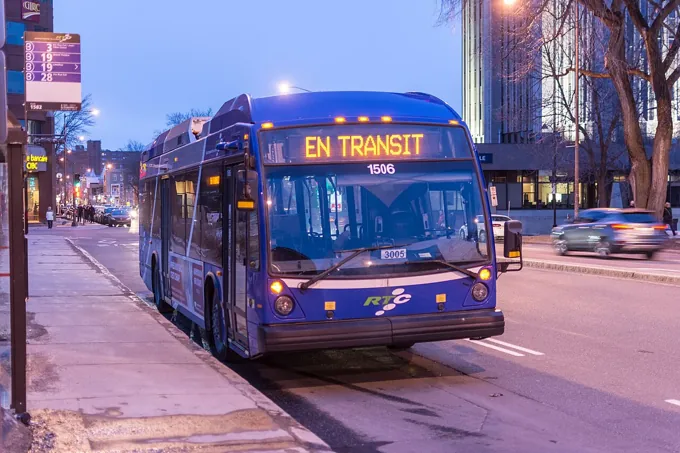
Public transport and the environment?

Public transport can reduce the number of individual car journeys needed for a trip, while its environmental effects depend on service, occupancy, energy and the street network around it.

· 3 min 26 sec read ↗

Photo credits & licence

People & places · Guide

How to start a walking group?

A reliable walking group starts with a modest route, a clear meeting plan and an invitation that makes different paces and abilities welcome. Learn how to test the idea and keep it manageable.

· 3 min 24 sec read ↗

Photo credits & licence

People & places · Guide

Walking vs driving short trips?

For a short trip, walking can replace a car journey when the route is safe, accessible and practical; driving may remain necessary when distance, mobility, weather or carrying needs make walking unsuitable.

· 3 min 24 sec read ↗

Photo credits & licence

People & places · Guide

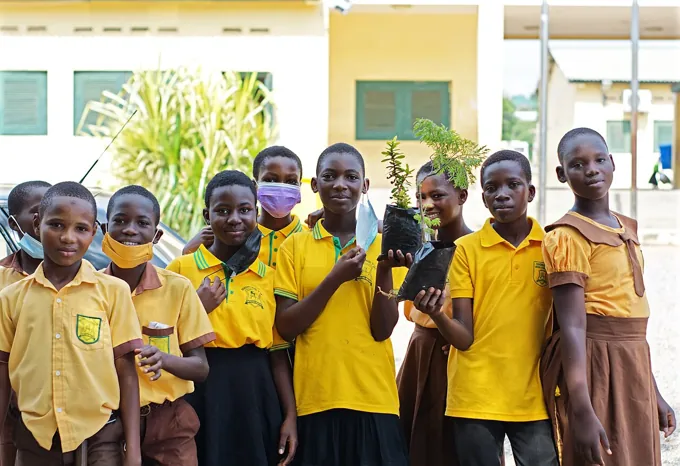
School tree planting projects?

A school tree planting project succeeds when students help choose an appropriate site and the work continues after planting day. Learn how to plan for local conditions, care and measurable learning.

· 3 min 22 sec read ↗

Photo credits & licence

People & places · Guide

Nature activities for children?

Nature activities for children work best when they are simple, nearby and shaped around noticing rather than collecting. Try observation, mapping, sound and rain-focused activities that can adapt to age and local conditions.

· 3 min 12 sec read ↗

Photo credits & licence

People & places · Guide

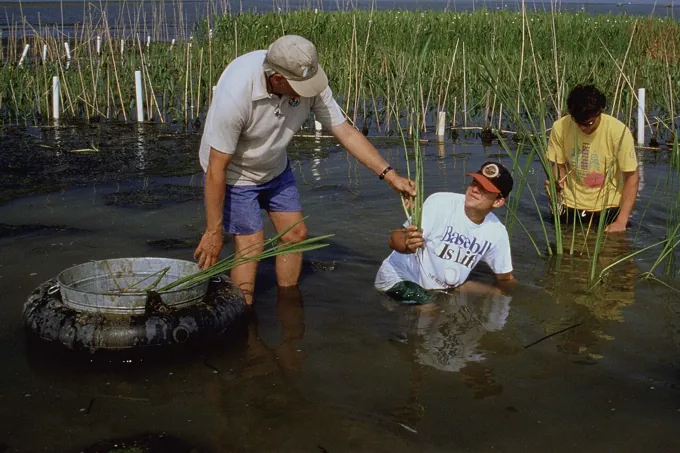
How to volunteer for conservation?

Find a conservation role by matching your time, skills and physical limits to a specific local need, then check training, supervision and follow-up. Some useful work supports recovery; other work protects places already intact.

· 2 min 57 sec read ↗

Photo credits & licence

People & places · Guide

How to teach children about trees?

Help children learn about trees by returning to one nearby tree, asking observable questions and connecting its features to shade, seasons, habitat and care. Keep explanations grounded in what they can see.

· 3 min 12 sec read ↗

Photo credits & licence

People & places · Guide

How to talk about climate change with children?

Talk about climate change with children by answering their actual question, explaining what is known in age-appropriate language and making uncertainty visible. Pair concern with realistic choices and trusted local information.

· 3 min 10 sec read ↗