tree day
Guide
What is a green corridor?
A green corridor is a connected or linked strip of vegetation through a developed area, but its value depends on what it connects, which species or people it serves and how it is maintained.
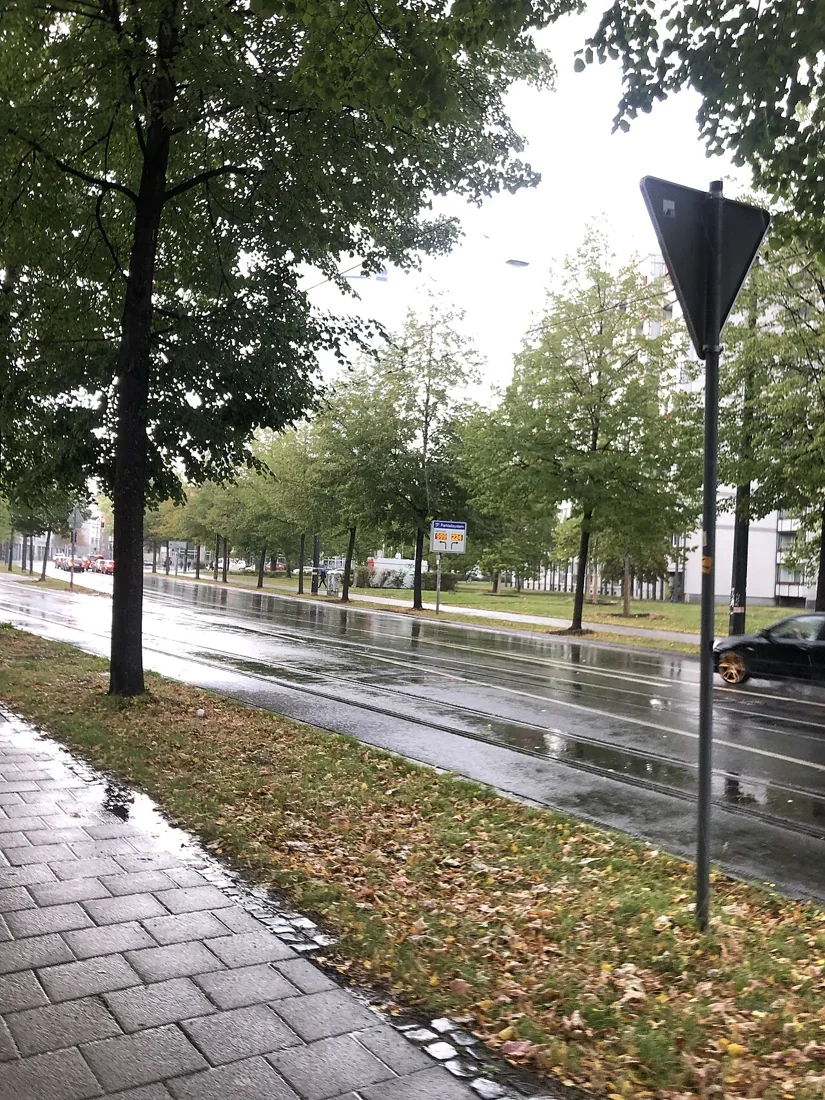
A green corridor is a strip or linked sequence of green spaces that connects places through a developed landscape. It might follow a stream, rail line, street or path, with trees and other vegetation along the way. The phrase does not guarantee uninterrupted habitat or a comfortable walking route. To understand a particular corridor, ask what it connects, who or what it is meant to serve, and where its gaps remain.
Connection is the defining idea
A single planted lot can be valuable without being a corridor. The corridor concept emphasizes a route between patches or destinations: for wildlife, that could mean movement between habitat areas; for people, a greenway may connect neighborhoods, parks or walking routes. Those purposes can overlap, but they are not interchangeable. A path designed for recreation may cross habitat, while a wildlife connection may not be suitable for public access.
The links do not always need to be one continuous band of trees. A sequence of parks, planted verges and habitat patches may function as a connected landscape for some purposes. Whether it works depends on the species, distance, barriers and surrounding land. A map that colors every green parcel as one corridor can hide roads, fences or stretches where vegetation is absent.
Green infrastructure can do another job
Some corridors are planned partly to manage stormwater. The EPA describes green infrastructure as using filtration, infiltration and evapotranspiration to treat and soak up rainwater where it falls, with examples such as rain gardens, green roofs and permeable pavement. These features can be placed along a connected landscape, but a green corridor does not automatically capture runoff or reduce flooding. Its drainage function depends on design and conditions. [1]
A corridor may also support shade. The EPA notes that trees and vegetation have a natural cooling effect and points to local government and community approaches to increase them. But the amount and location of shade vary with canopy, built form and time; a thin planted strip should not be assumed to cool every nearby route. [2]
Follow one connection on the ground
For example, imagine a proposed route linking a neighborhood park to a streamside planting through a street with scattered trees. A useful review asks whether the planted segments actually join the two places, whether crossings break the route, and whether the planting serves the intended goal. If the priority is a walking connection, sidewalk continuity and safe crossings matter. If the priority is habitat, ecological assessment may need to consider which local species use the patches.
This distinction prevents a common planning mistake: treating visual greenery as proof of ecological connectivity. A corridor can look continuous on a map but remain difficult for a particular animal to cross. Conversely, a narrow, less obvious connection may matter for movement. Claims about habitat use should be supported by relevant local information, not inferred from color on a plan.
Plan for residents and ecology
A corridor through a neighborhood affects daily life as well as landscape. Residents may value a shaded walk or access to a park, while nearby properties and streets shape how the route can be designed. Ask who can use the path, whether it is open and accessible, and how the project will handle maintenance. If restoration is a goal, identify what has been degraded and what recovery would mean in that particular place.
Ecosystem restoration can happen in cities and may involve planting or removing pressures so nature can recover. It does not always mean returning land to its original state, since present-day infrastructure and community needs also matter. A corridor proposal should therefore explain what it is restoring or connecting, rather than using “restoration” as a decorative synonym for landscaping. [3]
Ask what success looks like
A practical first question is: what two places or functions is this corridor intended to connect? Follow up by asking how gaps, crossings, public access and long-term care will be addressed. If rainwater management is part of the proposal, ask what features will store, filter or absorb runoff and how they will be maintained. EPA research describes these questions as part of evaluating green infrastructure placement, benefits, costs and maintenance. [1]
The next step is to trace one proposed segment on foot or on a detailed map and mark the point where the connection becomes uncertain. That gives a planning team a precise issue to examine and helps residents distinguish a genuine route from a collection of nearby green spaces.
Follow the evidence
Primary sources used in this story. Practical examples are illustrative unless a source states otherwise.
- US EPA: Stormwater management research ↗
- US EPA: Using trees and vegetation to reduce heat islands ↗
- UN Decade: What is ecosystem restoration? ↗
Read our editorial standards. Have a correction? Identify the article and relevant source in your feedback to the site owner.