tree day
Guide
How to organise a community tree planting?
A community tree planting succeeds when the site, species, permissions and long-term care are settled before the event. Plan for the landscape and the people who will maintain it, then make planting day a well-supported part of that plan.
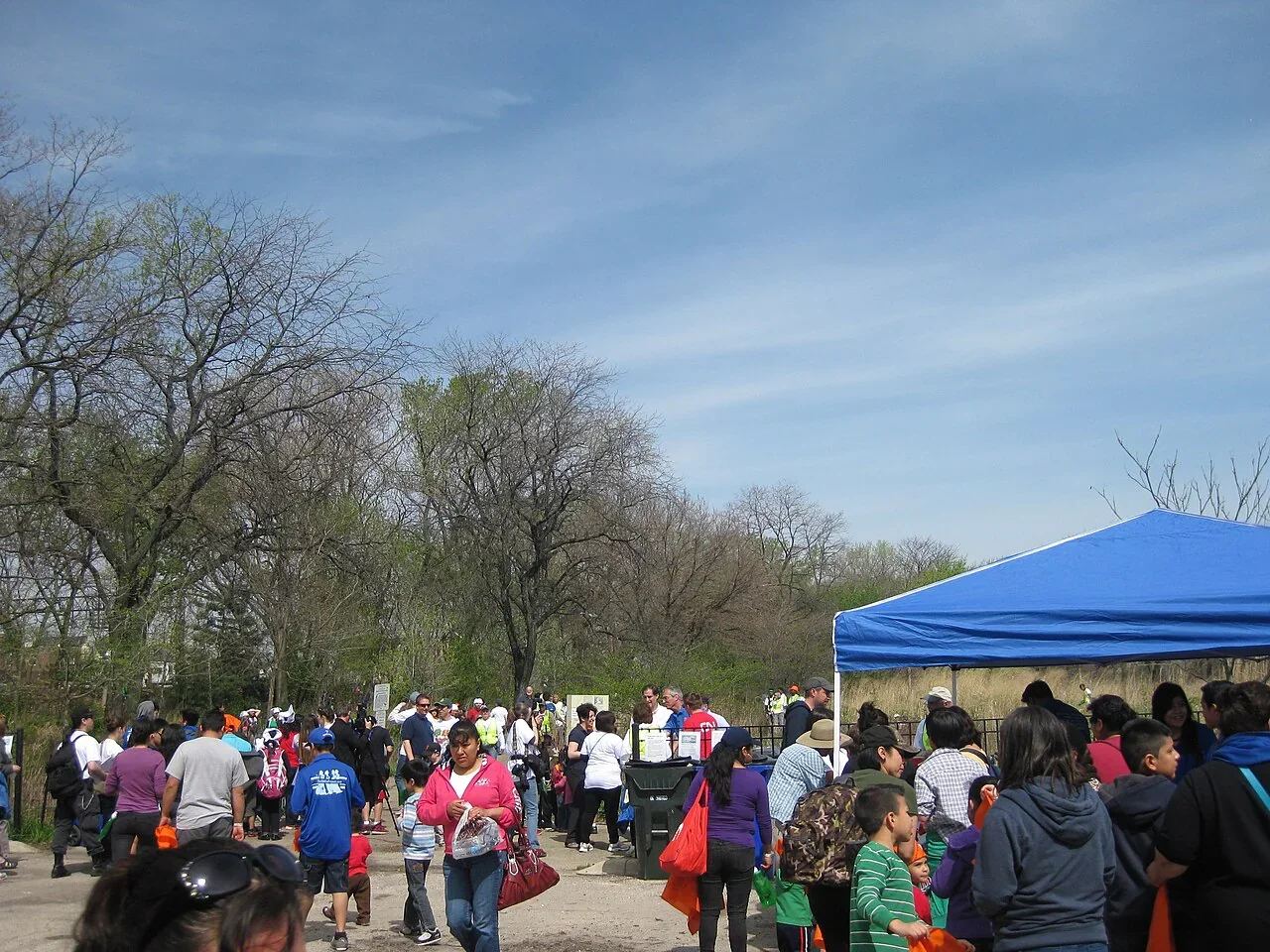
To organise a community tree planting, begin by confirming who controls the site and who will care for the trees after planting day. The number of volunteers or trees is not the first decision. A suitable location, locally appropriate species and a realistic maintenance commitment make the difference between a lasting planting and a one-day event with uncertain results.
Find a site with a clear purpose
Walk the proposed area with the landowner or managing agency. Note existing trees, paths, overhead space, underground infrastructure, visibility, drainage and how people use the site. A planting may be intended to create shade, improve a street, support habitat or mark a shared space; the purpose affects where trees belong and what species are suitable. In urban settings, trees and vegetation can help reduce heat-island effects, but local approaches need to consider the site and its conditions [1].
Confirm written permission, who will procure and plant the trees, and who is responsible for watering, inspections and replacement. If digging is planned, arrange utility location through the appropriate local service before any ground is opened. A public event also needs a plan for access, supervision, first aid and weather contingencies that fits local requirements.
Choose trees for the place, not the photo
Consult local urban forestry staff, extension services or a qualified nursery about species suited to the region, soil, exposure and available rooting space. Consider mature height and spread, drought or flooding conditions, maintenance needs and potential conflicts with pavement, wires or sightlines. A mix can reduce reliance on one species, but diversity should not become a reason to plant species poorly matched to the site.
The planting design should respect existing vegetation and the possibility that natural recovery may be appropriate in some areas. Ecosystem restoration can involve planting or removing pressures so that nature recovers on its own; returning a site to an exact earlier condition is not always possible or desirable [2]. This distinction helps organizers avoid treating every open patch as a place that needs a new tree.
Build a small, dependable team
Assign a coordinator for landowner communication, a planting lead familiar with the chosen trees, a volunteer organizer and a care lead. These roles can be held by a few people, but each responsibility needs an owner. Confirm the number of trees the crew can plant correctly and care for, rather than scaling the order to the size of the mailing list.
For a hypothetical neighborhood event, the team might choose a handful of trees for a school edge, recruit a facilities contact and ask a local arborist or forestry representative to review the layout. The group can invite volunteers only after the date, site access, tools and post-planting care are confirmed. This sequence reduces last-minute confusion and avoids asking volunteers to work around unresolved site decisions.
Prepare the day around safe, clear tasks
Share the meeting point, clothing guidance, accessibility information and weather plan in advance. Have a brief welcome that explains the purpose and demonstrates the planting method with the appropriate tools and species-specific guidance. Volunteers should know where to work, where not to dig, how to handle equipment, and whom to contact if they spot a hazard. Keep tasks suited to different abilities, such as registration, mulch movement, watering or documenting the planting.
Do not improvise planting instructions from a generic diagram if local guidance differs. Root form, soil condition and planting stock affect how a tree should be handled. Arrange water and materials before the event, provide a way to dispose of packaging appropriately, and leave enough time for cleanup and a count of what was planted.
Make the care commitment visible
A planting is an establishment project, not just a ceremony. Name the person or organization responsible for monitoring trees and following locally appropriate watering and maintenance guidance. The necessary care depends on species, climate, soil and weather; a universal schedule is not reliable. Make a simple record of tree locations, species, planting date, responsible contact and observed condition.
Set an early check-in and a later review so the group can notice problems and arrange help. A short report to participants showing which trees remain healthy and what needs attention can sustain involvement without promising a particular survival rate. Before setting a date, write down the care owner and the next inspection. If that commitment cannot be secured, reconsider the number of trees or the site before inviting volunteers.
Follow the evidence
Primary sources used in this story. Practical examples are illustrative unless a source states otherwise.
- US EPA: Using trees and vegetation to reduce heat islands ↗
- UN Decade: What is ecosystem restoration? ↗
Read our editorial standards. Have a correction? Identify the article and relevant source in your feedback to the site owner.