tree day
Guide
How to choose a community garden site?
Choose a community garden site by testing access, land control, sunlight, soil, water and long-term use before making a commitment. The best-looking vacant lot may be less workable than a smaller site with reliable agreements and infrastructure.
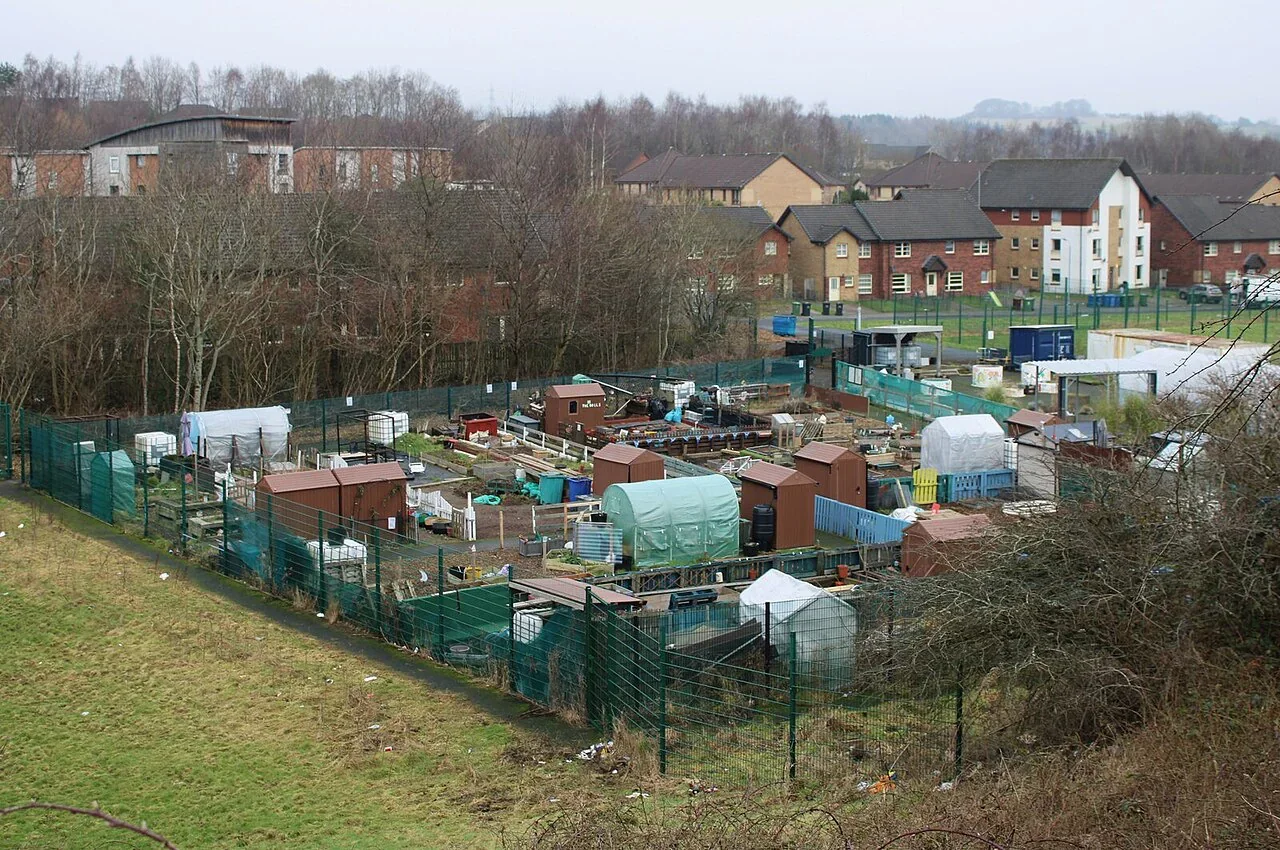
The best community garden site is one a group can use safely and keep accessible over time. Before choosing a vacant lot, confirm who controls it, how people will reach it, where water will come from and whether the soil and drainage fit the intended crops. A site visit in different conditions can reveal problems that a map or first impression misses.
Secure permission and a realistic term
Find the owner or managing agency and ask what use is allowed, how long access can be expected and who handles maintenance or complaints. Put the agreement in writing where possible, including access hours, storage, water use, fences, signs and what happens if the property’s use changes. A short-term permission may still support a garden, but it affects investment decisions such as raised beds, trees or permanent infrastructure.
Identify who will hold the agreement and how the group will make decisions if organizers change. A garden depends on people as well as land, and a site without an accountable steward can become difficult to manage. If the land is public, check the relevant agency’s process before designing improvements or inviting volunteers.
Walk the site through its daily uses
Visit at different times and after rain if feasible. Notice sunlight and shade, slope, wind exposure, nearby traffic, noise, paths and how neighbors currently use the space. Check whether people using mobility aids can reach the growing area and whether there is a safe place to store tools. A location near homes or transit may be convenient, but only if access and opening arrangements are workable.
Think about the garden’s purpose. A plot for vegetables needs different light and layout from a shaded gathering garden or a site focused on native plants. In a hypothetical neighborhood, an accessible corner beside a community building might serve more people than a larger back lot reached only by stairs. Sketch paths, work areas and gathering space before measuring the number of beds.
Understand soil and water before planting
Soil suitability is not determined by appearance alone. Ask about prior land uses and consider testing soil through an appropriate local laboratory, especially if the site may have had industrial, commercial or intensive urban uses. Follow local public-health or environmental guidance for interpreting results and deciding whether in-ground growing is appropriate. Do not assume raised beds automatically resolve every site concern; the source and handling of fill, drainage and access still matter.
Check the water source, permission to use it, cost responsibility and practical access. Water needs vary with crops, weather, soil and growing methods, so avoid choosing a site that depends on an uncertain supply. Also observe where rain runs or pools. Green infrastructure can filter, infiltrate and evapotranspire rainwater, but site design must account for local soil, groundwater and stormwater conditions [1]. A garden should not direct runoff toward neighbors or buildings.
Check heat, shade and surrounding conditions
Buildings, pavement and trees shape the site’s microclimate. A sunny patch can be valuable for crops, while some shade may make paths and gathering areas more comfortable. Trees and vegetation can reduce heat in urban environments, but their placement and the garden’s goals need to be considered together [2]. Observe how shade changes during the day and season rather than assuming one visit represents the whole growing period.
Look for possible conflicts with utilities, parking, snow storage, mowing, deliveries or future construction. If the garden plan requires digging, arrange utility location through the appropriate local service before any ground is opened. Ask the land manager about easements and access for maintenance crews. A plot that works only when surrounding operations stop may not be dependable.
Make a decision with the future gardeners
Invite interested gardeners to rank essential conditions: dependable access, water, growing space, accessible paths, soil information, storage or a gathering area. Separate must-haves from improvements that can come later. Then compare candidate sites against the same list. This makes trade-offs visible and helps prevent a single enthusiastic voice from deciding for the whole group.
A smaller site with a clear agreement, safe access and a suitable water plan may be more useful than a larger uncertain property. Ecosystem restoration includes cities and can involve changing how land is managed, but it does not require returning a place to a previous state [3]. Start with the conditions people and plants need now. Before committing, write down the main unresolved risk and who will resolve it; if nobody can own that task, keep looking.
Follow the evidence
Primary sources used in this story. Practical examples are illustrative unless a source states otherwise.
- US EPA: Stormwater management research ↗
- US EPA: Using trees and vegetation to reduce heat islands ↗
- UN Decade: What is ecosystem restoration? ↗
Read our editorial standards. Have a correction? Identify the article and relevant source in your feedback to the site owner.